Netanyahu bet everything on Trump, and Israel lost at the roulette table
In June 2026, Israel is facing not only strong and determined enemies from outside, enemies it has failed to defeat, but also the gradual loss of what was once its firmest pillar of support: its great friend, the United States.
3 View gallery
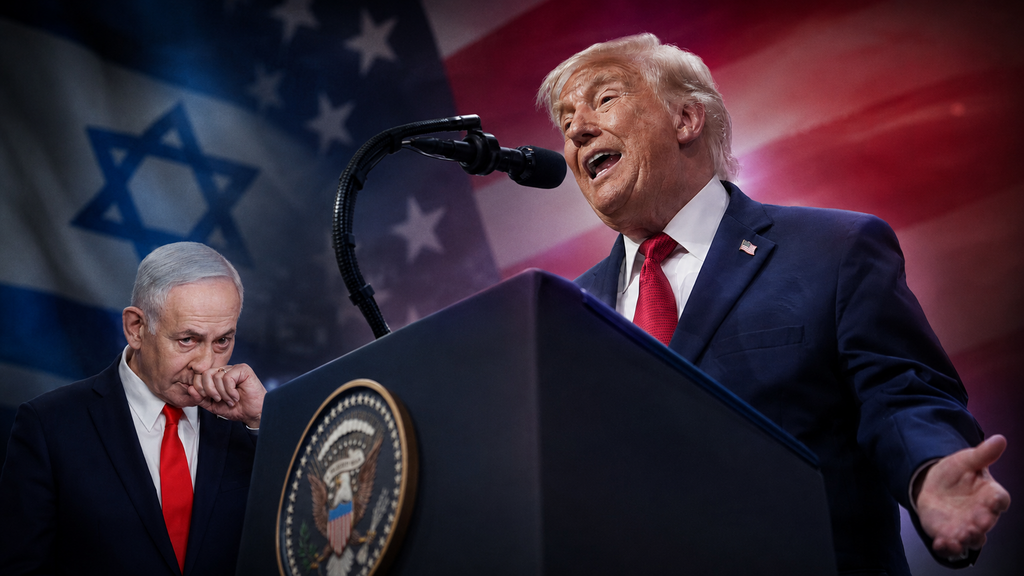
Benjamin Netanyahu and Donald Trump
(Photo: Olivia Fitusi, AP Photo/Julia Demaree Nikhinson)
For a decade, Prime Minister Benjamin Netanyahu placed all his chips on Donald Trump. He gambled that with Trump, he would be able to bring down the ayatollahs’ regime in Iran. Along the way, and especially ahead of the change of administration in January 2025, he clashed with the Democratic Party and lost the support of much of the Western world.
MAKE ynetGlobal MY TRUSTED SOURCE
But in recent weeks, Trump appears to have unexpectedly abandoned Netanyahu on the way to an agreement with Tehran. Then again, was it really unexpected?
The French Jewish philosopher and writer Bernard-Henri Lévy recently published an article in Le Point against Trump under the headline “Betrayal and humiliation: the real doctrine of Trumpism.” According to Lévy, the president’s foreign policy is defined not only by abandoning U.S. allies, but also by an element of deliberate public humiliation.
live
JD Vance slams Israel
(Video: Reuters)
He described it as a recurring method and listed several examples: abandoning Ukraine in the face of Russia, his treatment of Taiwan, contacts with the Taliban over the head of the Afghan government, abandoning the Kurds in Iraq and Syria, and finally, turning his back on Israel over Iran.
Lévy warned that a superpower that humiliates its friends and prefers raw power over loyalty and strategic alliances may ultimately lose its status and influence in the world. History, he argued, shows that empires that abandoned their allies did not preserve their power for long.
In Israel’s case, despite the “rare friendship” between the two leaders and the “historic military cooperation,” Trump prefers to sign what amounts to a surrender agreement with Iran. We know what Iran receives: hundreds of billions of dollars and a reinforced status as an undefeated regional power. We do not know what Iran gives in return, other than reopening the Strait of Hormuz, which had been open before the war as well.
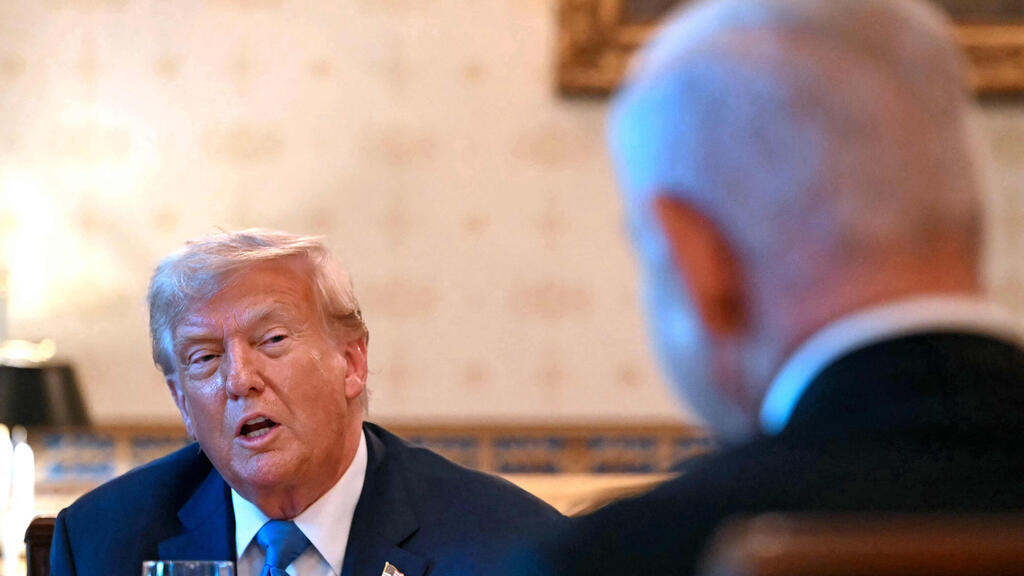
Trump’s short-sightedness on this issue is frightening. Even more frightening is that Israel and Netanyahu failed to see it coming.
Worst of all, the surrender agreement with Iran includes a clause committing to an end to the war in Lebanon while Hezbollah remains standing, continues to harass IDF forces in southern Lebanon every day, and retains rockets and drones capable of tormenting residents of northern Israel for an almost unlimited period.
When Israel protested, it was answered with a humiliating press conference by U.S. Vice President JD Vance, which included sharp criticism of alleged attacks by Israeli Cabinet ministers against Trump.
In reality, no minister in Netanyahu’s Cabinet personally attacked the president. They criticized the content of the agreement. Those who did personally attack Trump were Channel 14 presenters, especially Yinon Magal, who called him a loser, called Vance scum and used a slur against Steve Witkoff and Jared Kushner.
It is possible that Vance and Trump’s circle suspected Netanyahu was behind those briefings. It is not impossible that this is true. But they should have been corrected over the false accusation.
At his press conference, Vance delivered another blow below the belt when he emphasized that American taxpayers funded two-thirds of Israel’s interceptors.
What about Israel’s role in developing those systems? What about the priceless intelligence the United States has received from Israel? What about the outstanding performance of Israeli Air Force pilots during Operation Lion’s Roar? This is not how one speaks to an ally. But this, apparently, is how the current administration in Washington operates. Vance did the same to Ukrainian President Volodymyr Zelensky.
Still, perhaps there is something in the vice president’s words that demands soul-searching. Perhaps Netanyahu really did steer Israel into an endless war to save himself from his legal, political and personal troubles.
On both sides, there are those who want perpetual war: Iran, Hezbollah and Hamas, which want to bleed Israel; and on the other side, Netanyahu and his far-right partners, who dream of a “super Sparta.”
Either way, although the question of how Israel reached this point is critical, and must be examined thoroughly by a state commission of inquiry if one is ever established, this is not the time. Given the severity of the situation, Israel does not have the luxury of dwelling on the past right now. It urgently needs to look ahead and understand how it can get out of the trap into which it has fallen, or perhaps the trap it created for itself.
So what should be done?
Domestically, Israel needs a broad social compact strong enough to overcome division and hatred, one that allows all Israelis, Jews and Arabs, religious and secular, right-wing and left-wing, and everyone in between, to live in peace and feel that this home belongs to all of them.
Establishing a state commission of inquiry into the October 7 disaster, together with a fair and equal draft law for all, would be first steps toward internal healing.
Diplomatically, Israel must return to sane dialogue with the nations of the world. The current situation, in which Foreign Minister Gideon Sa’ar is feuding with half the world in order to appeal to Likud Central Committee voters, is intolerable.
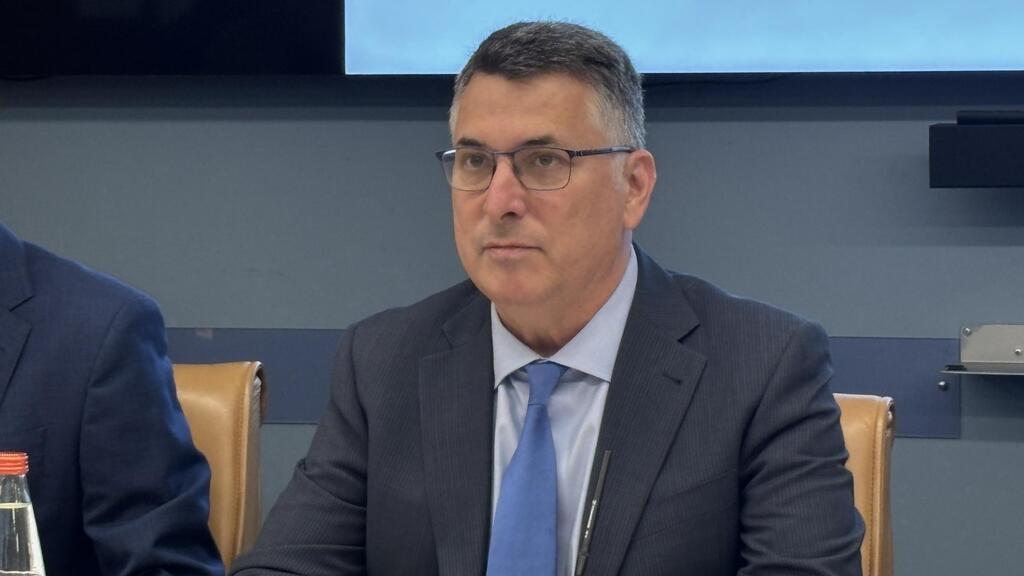
Israel must return to a moderate, rational policy and deepen dialogue with as many partners as possible, first and foremost European countries. Even when there are disagreements and grievances, Israel must talk. That would help clear the air and restore normal relations.
With the United States, it is clear that Israel cannot afford a confrontation with the Trump administration. But it must persuade Washington that Israel has basic interests on which it cannot compromise. The linkage between Lebanon and Iran is the clearest example: Israel’s freedom of action against Hezbollah, which is critical to defending the state and its citizens, cannot be limited by an Iranian veto.
At the same time, Israel must treat the option of negotiations with the Lebanese government seriously and move forward on that track, with the understanding that it could allow a new reality to emerge.
In the coming days, Israel must prepare for increased pressure from the administration to withdraw from Lebanon. Every IDF strike triggers threats from Tehran, from closing the Strait of Hormuz to renewing ballistic missile fire. The Americans have absorbed the message and understand that the continued presence of IDF forces in southern Lebanon carries the potential for an explosion with Iran.
That is why Netanyahu must travel to Washington and reach quiet understandings with Trump regarding the continuation of the campaign against Iran and in Lebanon. He does not have the luxury of fighting with Israel’s last remaining major friend, even if that friend has bitterly disappointed Israel.
In Jerusalem, officials are counting on another opportunity to deal with Iran after the U.S. midterm elections and after fuel prices fall. If Netanyahu can reach understandings with Trump on that issue, it may be possible to swallow the humiliations of recent days a little more easily.
Meanwhile, none of this prevents the extremist ministers in Netanyahu’s government from continuing to scatter dangerous statements, such as Itamar Ben-Gvir’s remark that “for every tear of an Israeli mother, a thousand Lebanese mothers must cry. All of Lebanon must burn.”
That statement was immediately interpreted by the United States and by tens of millions of users around the world as yet another call for genocide.
It is time for Netanyahu to impose order in his government and instruct his ministers to be silent. They have caused enough damage.