Abortion may no longer be a top priority for Democratic voters ahead of 2026 midterms, polls show
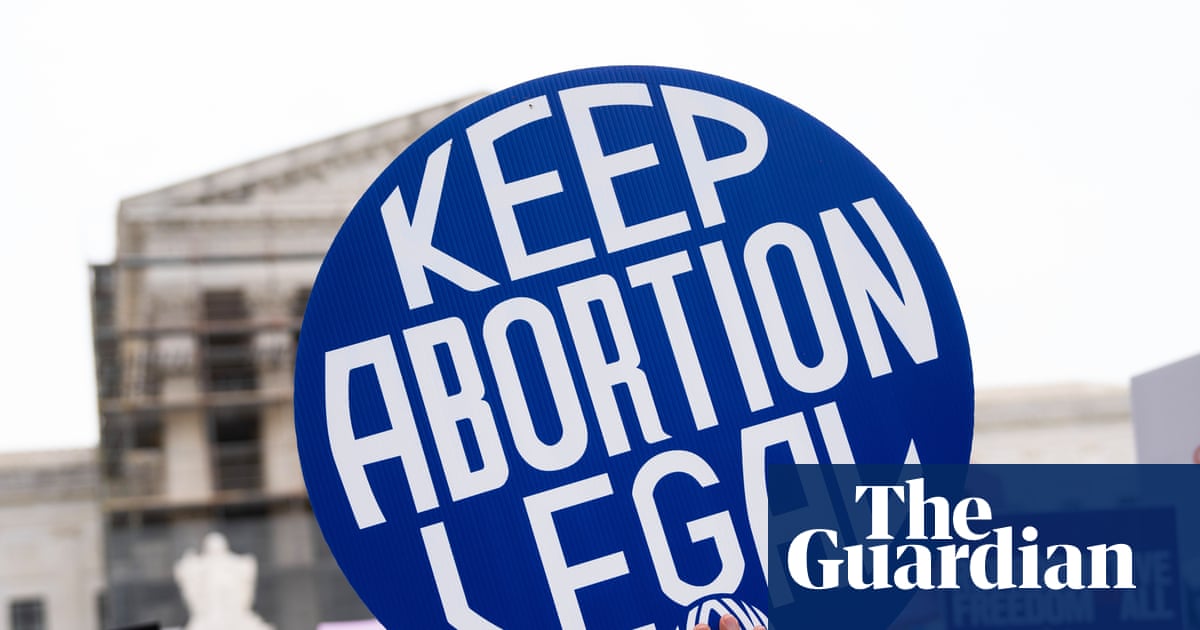
Up to seven states will vote on abortion rights this year. But recent polling indicates that Democrats may not be able to count on the issue in their efforts to drive votes in the 2026 midterms, after making abortion rights the centerpiece of their pitch to voters in the elections that followed the fall of Roe v Wade.
In 2024, 55% of Democrats said abortion was important to their vote, according to polling from the Public Religion Research Institute (PRRI). But in October of this year, just 36% of Democrats said the same. By contrast, abortion remained about as important to Republicans in both 2024 and 2025, PRRI found. PRRI’s findings mirror a September poll from the 19th and SurveyMonkey, which found that the voters who cared most about abortion are people who want to see it banned.
During the 2024 election, abortion was seen as the Democrats’ strongest issue, after the 2022 overturning of Roe sparked a wave of deeply unpopular state-level abortion bans. Kamala Harris put abortion rights at the heart of her presidential campaign, while Democratic Senate candidates and Super Pacs poured an astounding $175m into abortion-related TV ads – far more than any other issue. Donald Trump, who enabled Roe’s collapse by appointing three conservative justices to the US supreme court, repeatedly tried to downplay the fight over abortion rights, viewing it as a political liability and a sure-fire boost for Democrats.
But the power of the issue turned out to be overstated in 2024. Trump handily won the popular vote and Republicans ended up with control of both houses of Congress. Still, the president has largely avoided further action on the issue at the federal level, focusing instead on initiatives like cracking down on immigration, instituting steep tariffs and bulldozing the federal workforce.
The tumult has further yanked Americans’ attention away from abortion, said Melissa Deckman, PRRI’s CEO.
“It’s just hard to catch your breath, because every day there’s a new, outrageous thing happening with the administration,” Deckman said. Abortion, she added, has been replaced as a top issue by affordability and the economy. “That seems to be first and foremost for everyone. But it’s also, for Democrats, the state of democracy writ large. We consistently find that Democrats are more concerned about the health of democracy.”
August polling from the group Emilys List, which champions Democratic women who support abortion rights, found that voters are now prioritizing the economy over abortion. But it also found that 49% of female voters consider threats to abortion rights to be a “dealbreaker”. Abortion remains a galvanizing issue in state supreme court elections, which now often have the final word on the legality of state-level abortion restrictions.
Advocates are currently working to secure enough signatures to get abortion rights measures on the state ballots in Idaho, Montana, Nebraska, Oregon and Virginia. Idaho, Oregon and Virginia’s proposed measures would protect abortion access, while Nebraska and Montana’s measures would eliminate it. Two states, Nevada and Missouri, have already confirmed that they will have abortion-related measures on the ballot. (Nevada passed an abortion rights measure in 2024, but it must past a second time before the constitution can be amended.)
In the past, Democrats have hoped that these kinds of measures, which voters tend to support, will elevate their candidates. But in 2024, voters backed abortion rights while rejecting Democratic candidates. Trump won four states that voted in support of ballot measures that added abortion rights to their state constitutions.
Some of those measures have also proven to be less gamechanging than advocates originally hoped. In 2024, Missouri voters decided to amend the state constitution to protect abortion rights, making the state – which at the time banned virtually all abortions – the first state in the country to repeal a post-Roe ban. However, a protracted legal battle over the exact implications of the measure have repeatedly blocked Missouri abortion clinics from offering the procedure. Now, in 2026, voters will be asked whether they want to repeal the measure they passed just two years ago.
“It just feels like such a messaging failure, to not understand and not be able to communicate that these people are going to continue to decimate abortion access,” said Alisha Dingus, executive director of the DC Abortion Fund, which helps people get the procedure. “I would like to see more politicians who are more comfortable talking about abortion more regularly.”
The flagging attention to abortion is having a trickle-down effect on fundraising efforts by abortion rights advocates. Donations to the DC Abortion Fund dropped precipitously in 2025, as post-Roe rage donations evaporated and economic struggles led reliable donors to stop giving.
Data indicates that US abortions have increased over the past few years, thanks in large part to online access to abortion pills. But Dingus fears that funding will dry up for women who need to travel to clinics for abortions. Right now, the DC Abortion Fund gives out about $3,800 to dozens of people per week to support costs associated with abortions – but Dingus isn’t sure how much longer the money will last.
“What I see is going off the cliff in 2026, because we can only stretch those additional dollars for so long,” Dingus said.