Pressure grows on ‘reckless’ Hegseth as twin scandals engulf Pentagon chief
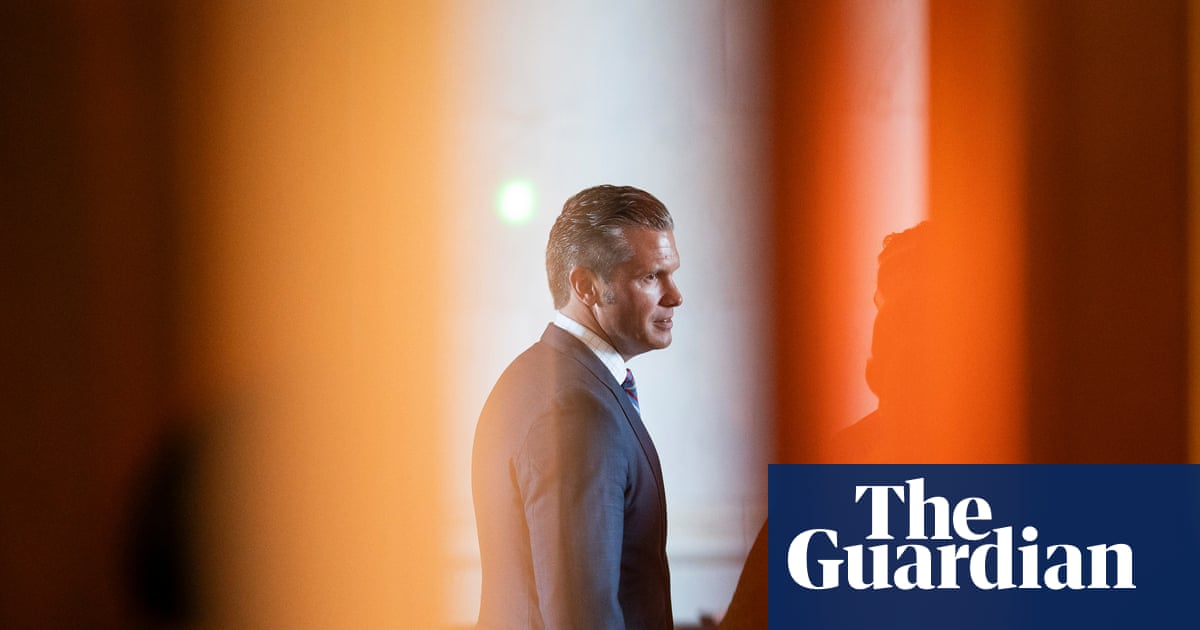
Pete Hegseth is facing the most serious crisis of his tenure as defense secretary, engulfed by allegations of war crimes in the Caribbean and a blistering inspector general report accusing him of mishandling classified military intelligence. Yet despite the long list of trouble and as lawmakers from both parties call for his resignation, Hegseth shows no signs of stepping down and still holds Donald Trump’s support.
The twin crises have engulfed the former Fox News personality in separate but overlapping allegations that lawmakers, policy experts and former officials say reveal a pattern of dangerous recklessness at the helm of the Pentagon. Democratic legislators have reignited calls for his ouster after revelations that survivors clinging to wreckage from a September boat strike were deliberately killed in a “double-tap” attack, while a defense department investigation released on Thursday concluded he violated Pentagon policies by sharing sensitive details via the Signal messaging app hours before airstrikes in Yemen.
The most recent controversy comes as the Caribbean campaign centers on the Trump administration’s extrajudicial strikes against suspected drug smugglers, which have killed at least 87 people across 22 attacks since September. Trump has justified the operation as essential to combating fentanyl trafficking, claiming each destroyed vessel saves 25,000 American lives, though factcheckers, former officials and drug policy experts have called this figure absurd, noting that fentanyl primarily enters the United States overland from Mexico, not via Caribbean boats from Venezuela.
The legality of the strikes came under intense scrutiny after the public learned that two men who survived the initial 2 September attack could been seen amid the wreckage when a lethal follow-up strike was ordered. While Hegseth initially dismissed the reporting as fabricated, he later confirmed the basic facts during a cabinet meeting this week, saying he acted in the “fog of war” but “didn’t stick around” to observe the rest of the mission.
A screengrab posted by Trump shows what he said was US forces striking a boat carrying drug traffickers in the Caribbean. Photograph: US President Donald Trump’s TRUTH Social account/AFP/Getty ImagesSenator Patty Murray, the Democratic vice-chair of the Senate appropriations committee, called for Hegseth’s firing following a bipartisan briefing on the incident on Thursday. “Between overseeing this campaign in the Caribbean, risking US servicemembers’ lives by sharing war plans on Signal, and so much else, it could not be more obvious that Secretary Hegseth is unfit for the role, and it is past time for him to go,” Murray said.
The New Democrat Coalition, the largest Democratic caucus in the House with 116 members who describe themselves as fiscally moderate and pro-innovation, issued their own statement calling Hegseth “incompetent, reckless, and a threat to the lives of the men and women who serve in the armed forces”. The Coalition chair, Brad Schneider, and national security working group chair, Gil Cisneros, accused the defense secretary of lying, deflecting and scapegoating subordinates while refusing to take accountability. “Time and time again, the secretary has lied, dodged, deflected, and shockingly scapegoated his subordinates,” they said. “He is a disgrace to the office he holds and should resign immediately before his actions cost American lives.”
The strategic logic of the Caribbean campaign has drawn criticism even from those with experience in the US government’s counter-narcotics efforts. Jake Braun, who served as acting principal deputy national cyber director in the Joe Biden White House and as senior counselor to the secretary of homeland security where he helped design and implement the nation’s first counter-fentanyl strategy, questioned why the administration was focusing military resources in the Caribbean rather than on primary trafficking routes.
“I think the use of military force is justified – it just seems they’re about 2,500 miles away from the primary target in Mexico,” Braun said. “If they want to stop fentanyl, I would focus more on tunnels and drones in Arizona rather than boats in the Caribbean.”
Emily Tripp, executive director of Airwars, a civilian harms watchdog that monitors military conflicts, called on the administration to be more transparent about the strike, saying the organization would like to know “what considerations are made around shipwrecked survivors, and why the use of force was chosen over search and rescue when as far as we understand the targets here are the drugs, not the people on board”.
The Pentagon mixed up its talking points, and struggled to provide clear answers about the chain of command for the strikes. While the White House initially suggested Adm Frank Bradley, commander of Southern Command special operations, ordered the follow-up strike in self-defense, Hegseth later said Bradley made the call with his authorization but had complete authority to act independently. Trump claimed to know nothing about the operational details, and even suggested he would not have wanted the second strike.
Compounding Hegseth’s bad week, the defense department inspector general report released on Thursday concluded that he violated Pentagon policies by using Signal to share precise details about upcoming airstrikes in Yemen, including the quantity and strike times of manned US aircraft over hostile territory, approximately two to four hours before the missions were executed on 15 March.
The Democratic congressman Jason Crow speaks at a hearing in Washington in March. Text messages from Hegseth are shown in the background. Photograph: Kayla Bartkowski/Getty ImagesThe report determined that Hegseth’s actions “created a risk to operational security that could have resulted in failed US mission objectives and potential harm to US pilots”. The information, which was marked as secret and not to be shared with foreign nationals, was transmitted via Hegseth’s unclassified personal device in group chats with other Trump administration officials. The investigation also found he failed to retain all associated messages, violating federal record-keeping requirements.
Senator Jack Reed, the top Democrat on the armed services committee, said the report made clear that “Secretary Hegseth violated Department of Defense policies and shared information that was classified at the time it was sent to him. These were precise strike timings and locations that, had they fallen into enemy hands, could have enabled the Houthis to target American pilots.”
Brian Finucane, who served as a state department attorney with deep experience advising on military operations including strikes against the Houthis in Yemen, in March told the Guardian that based on his experience, the kind of pre-operational details about aircraft types and timing that appeared in the Signal messages would normally have been classified, because that level of specificity could jeopardize missions and endanger pilots.
Despite the inspector general’s findings, Hegseth claimed he was vindicated on social media, posting from his personal account that there was “no classified information. Total exoneration. Case closed.”
Senator Roger Wicker, Republican chair of the Senate armed services committee, defended Hegseth’s actions as within his authority and called for better communications tools for national security leaders to share classified information in real time.
While the vast majority of calls for Hegseth’s resignation have come from Democrats, some Republicans have expressed their own concerns. Senator Rand Paul suggested Hegseth had lied about the September boat attack, saying the defense secretary either “was lying to us or he’s incompetent and didn’t know it had happened”. The Republican congressman Don Bacon told CNN he had “seen enough” to conclude Hegseth was not the right leader for the Pentagon.
Trump with Hegseth in the Cabinet Room this week. Photograph: Chip Somodevilla/Getty ImagesHegseth’s tenure has also been marked by severe dysfunction inside the Pentagon itself, where his own aides earlier this year have been leaking against one another and informing on colleagues in what multiple officials describe as a paranoid and chaotic atmosphere. The defense secretary used a leak investigation – which the White House had reportedly lost confidence in – to purge three top advisers in the spring, with claims they were identified through what would amount to an illegal warrantless NSA wiretap. The episode raised fresh questions about Hegseth’s judgment and his ability to manage the department.
Still, despite the twin controversies creating what those lawmakers have described as an untenable situation for the secretary, Trump has continued to back Hegseth publicly, with the White House expressing “the utmost confidence” in its national security team. Since the Senate is controlled by Republicans and Trump is maintaining his support, Hegseth is unlikely to face meaningful consequences.
The Trump administration has claimed that its Caribbean boat campaign targets vessels operated by designated terrorist organizations including Venezuela’s Tren de Aragua and Colombia’s National Liberation Army, though it has provided no public evidence for these designations. The administration claims it is in an armed conflict with drug cartels, allowing military action without congressional authorization, though legal experts dispute this framing.
At a cabinet meeting on Tuesday, Hegseth showed no signs of backing down, saying the military has “only just begun striking narco-boats and putting narco-terrorists at the bottom of the ocean”, though he noted a pause because “it’s hard to find boats to strike right now”. Since then, a new strike killing four people was announced on Thursday.