Trump Announces Millions in Disaster Aid for 9 States
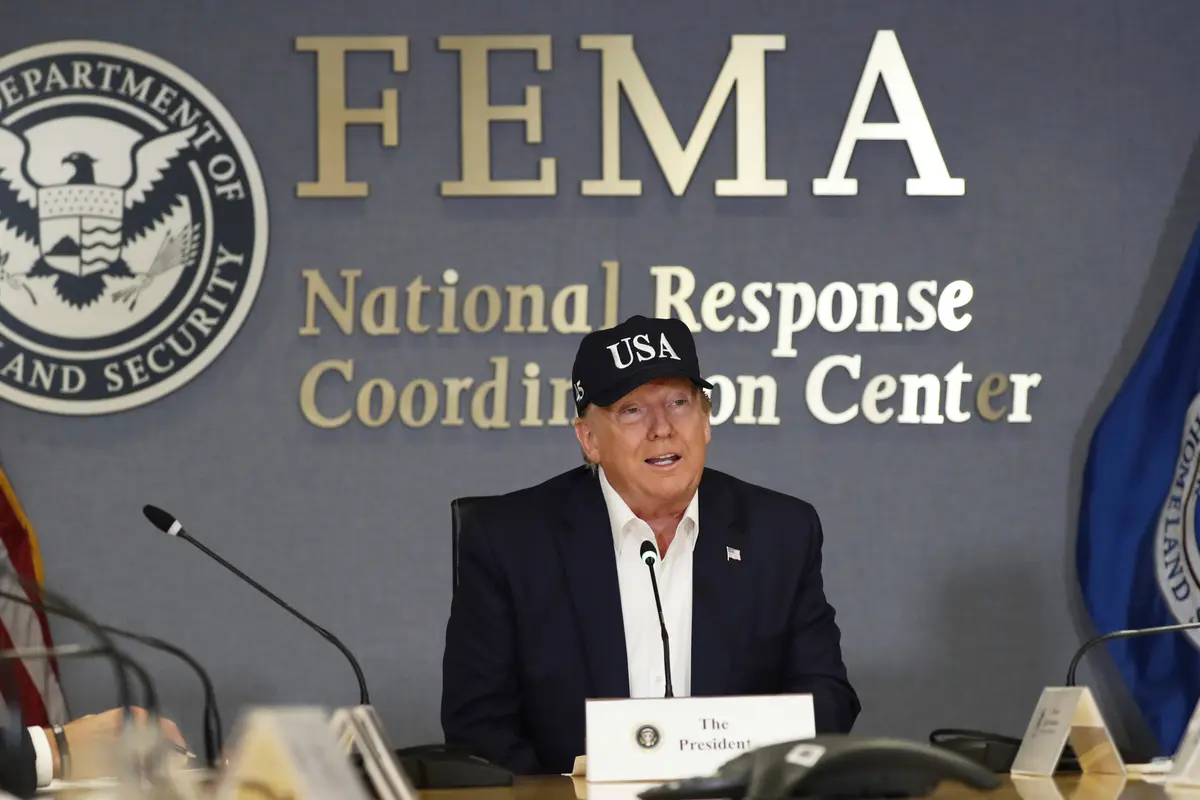 President Donald Trump speaks at the Federal Emergency Management Agency (FEMA) in Washington Sept. 1, 2019. AP Photo/Jacquelyn Martin
President Donald Trump said on Tuesday that he has approved millions of dollars in disaster aid for nine states.
The declarations ranged from roughly $4.5 million for Idaho to approximately $415 million for Florida, according to a series of posts the president made on Truth Social. Funding was also approved for Georgia, Michigan, Louisiana, Wisconsin, Missouri, Mississippi, and Kansas.
The disaster declarations were due to weather-related incidents in recent months including severe storms, flooding, tornadoes, and more. The declarations can unlock federal support and funding for recovery needs such as public infrastructure repairs and aid for survivors.
In one post, Trump wrote that he spoke with Georgia Gov. Brian Kemp and said the state “has been approved to be given $318.3 Million Dollars in its Disaster Declaration Request related to Hurricane Helene,” which hit the United States in late 2024 and caused billions of dollars in devastation throughout the southeastern United States.
In another, the president said that Florida would be given disaster funds. “Much of it is going to one of my favorite places in the entire World, the Panhandle!” he wrote, referring to the northwestern Florida region, though he did not say why the funds were being released to the state.
Trump wrote that for Idaho, $4.5 million is going to the state for severe storms, high winds, flooding, and landslides; $8.6 million is being sent to Louisiana; $32.1 million is going to Michigan due to storms, tornadoes, and flooding; $11 million is going to Mississippi for severe storms, high winds, tornadoes, and flooding; and $22.6 million would be released to Wisconsin for severe storms, tornadoes, and flooding.
Related Stories
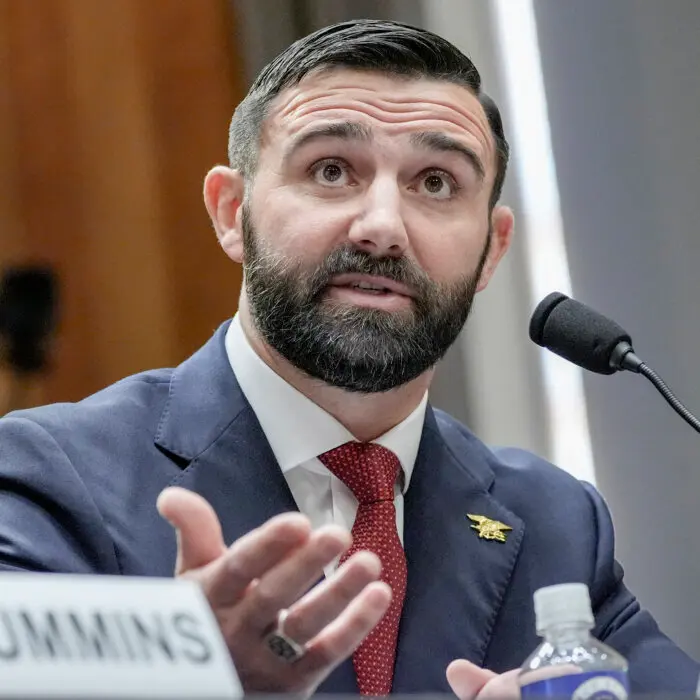
In several posts, Trump praised GOP elected officials and reiterated endorsements for Republican candidates.
Lawmakers also thanked Trump for the funds.
“I appreciate your swift approval of our request for disaster assistance,” wrote Sen. Roger Marshall (R-Kansas) in response to the administration’s decision on social media. “This funding will provide much-needed relief to Cherokee, Osage, Morris, Saline, and Wabaunsee counties as they continue recovering from April’s severe storms.”
Sen. Cindy Hyde-Smith (R-Miss.) said in a Facebook post she is “grateful” or the funding after “devastating tornadoes that struck our communities in South Mississippi in May,” while adding it will “help devastated areas rebuild, repair, and recover.”
The Trump administration in April approved disaster declarations in at least seven states: Alaska, Idaho, Montana, Oregon, South Carolina, South Dakota, and Washington.
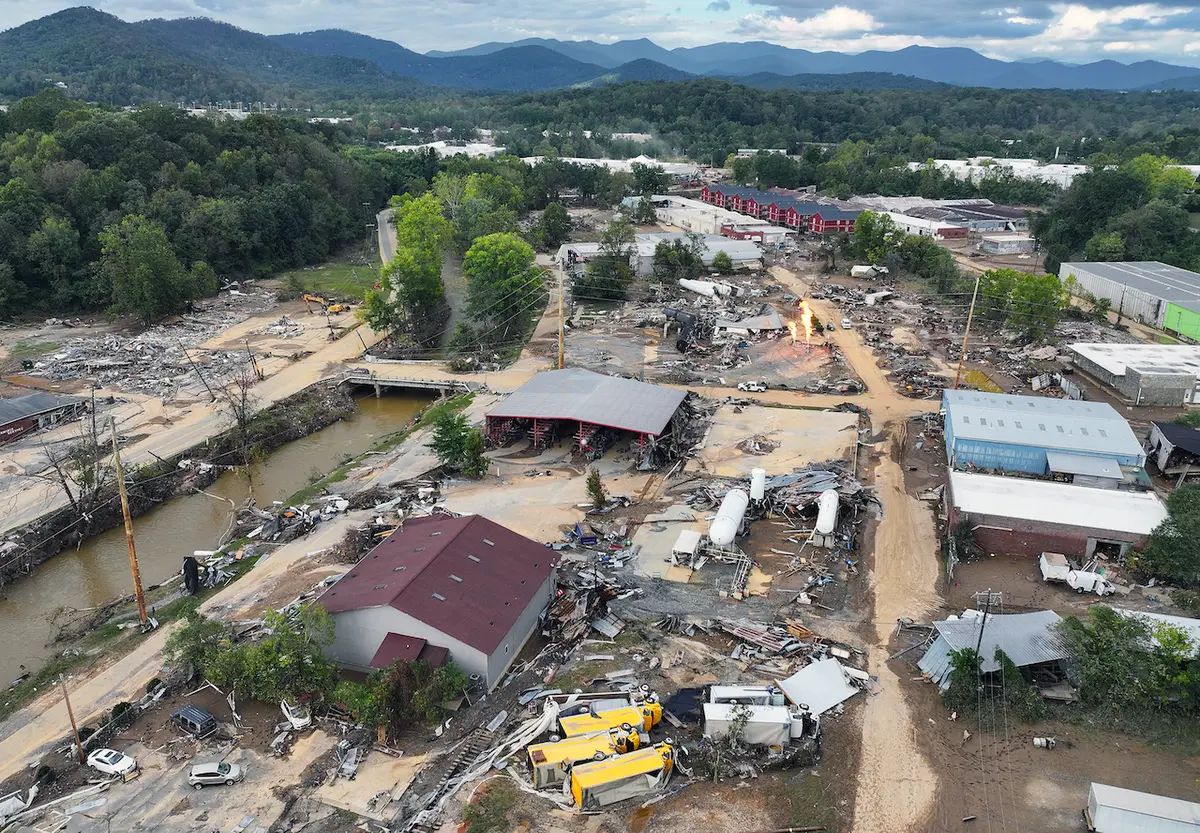 An aerial view of flood damage wrought by Hurricane Helene along the Swannanoa River in Asheville, North Carolina, on Oct. 3, 2024. At least 200 people were killed in six states in the wake of the powerful hurricane which made landfall as a Category 4. Mario Tama/Getty Images
“We’re trying to push this stuff forward as fast as possible,” Homeland Security Secretary Markwayne Mullin said in April while he was surveying Hurricane Helene recovery work in North Carolina on his first official visit as DHS secretary, noting that “disasters are happening constantly.”
In January, the Trump administration said that in 2025, 12 federal emergency disaster declarations were approved by Trump for Arkansas, Georgia, Indiana, Kentucky, Louisiana, Maryland, Mississippi, North Carolina, South Carolina, Tennessee, Virginia, and West Virginia.
The Associated Press contributed to this report.
We had a problem loading this article. Please enable javascript or use a different browser. If the issue persists, please visit our help center.