Rare Copy of Declaration of Independence Found in UK
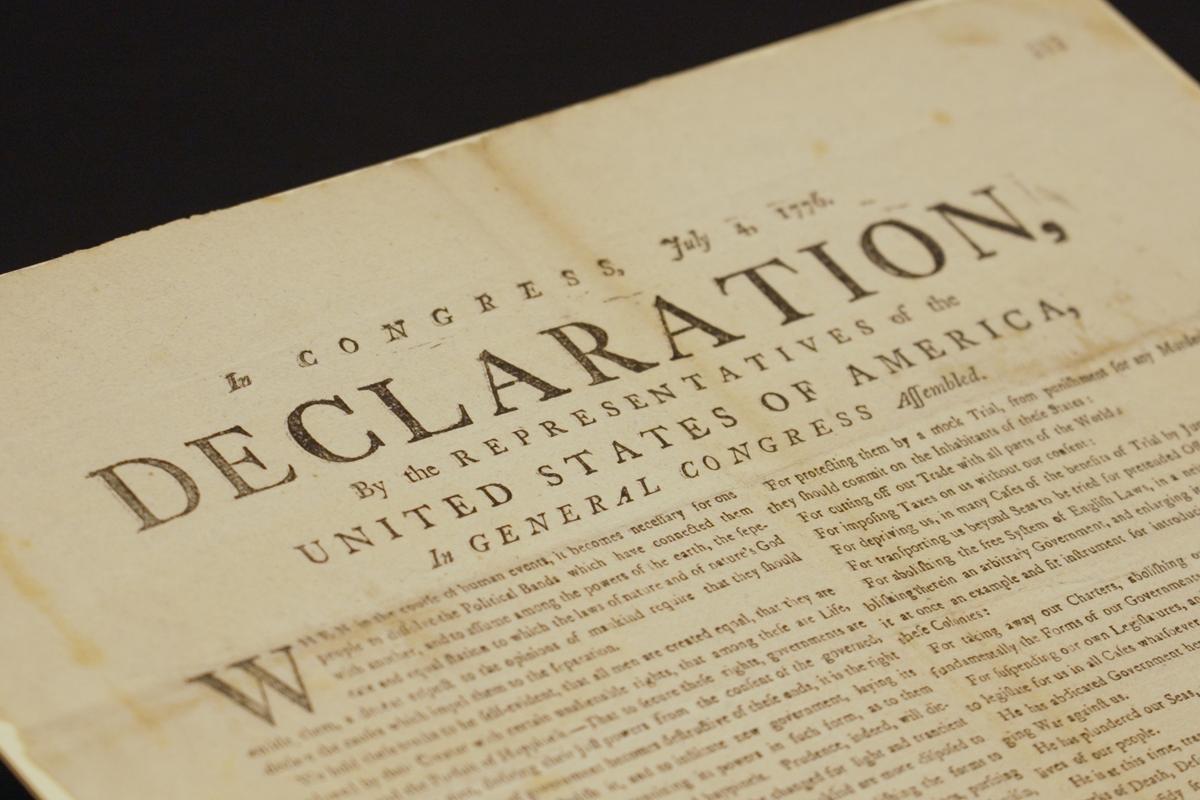 This image made from video shows a newly discovered copy of the U.S. Declaration of Independence, printed in July 1776 in Exeter, displayed at The National Archives in London, on July 2, 2026. AP Photo/Kwiyeon Ha
A “vanishingly rare” copy of the American Declaration of Independence discovered by a volunteer at the UK’s National Archives will go on display to mark the 250th anniversary of its signing.
It is the only known example of its kind outside of the United States.
Retired insurance executive Michael Scurr made the discovery in February while sifting through letters written by an 18th-century Royal Navy captain during the American War of Independence.
Attached to a report on the capture of the American privately owned armed ship, the Dalton, on Christmas Eve 1776, was a document identified simply as “another paper.”
Scurr said he was taken aback after carefully unfolding the article; he saw the word “Declaration” printed across the top.
“I called over to my boss and said, ‘I think you need to come and have a look at this’,” he told the BBC.
Related Stories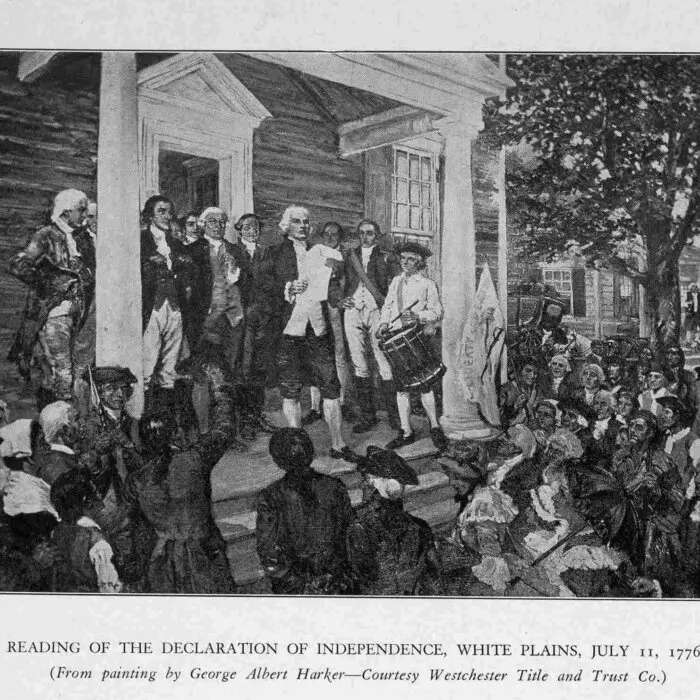
Unearthing and handling such a significant historical document has been “thrilling,” he said, particularly given the significance of the timing, just two months before the semiquincentennial anniversary.
The document formally announced to the world that the 13 colonies considered themselves independent states. Before July 1776, the colonies were technically still rebelling against their king, the British monarch George III.
The declaration stated they were no longer British colonies but “Free and Independent States,” justifying the decision with 27 separate criticisms of the king.
Researchers at the archives at Kew in south-west London confirmed the finding as a rare early copy of America’s founding document, printed just days after the original was signed in Philadelphia on July 4, 1776.
It is one of just 11 original copies of the so-called Exeter printing of the declaration that are known to exist, and the only one identified outside the United States, the National Archives said on Thursday as it unveiled the find ahead of this weekend’s anniversary.
This version was printed in Exeter, New Hampshire, from July 16 to 19, 1776.
“This is an extraordinary discovery. It’s a vanishingly rare surviving copy of the Declaration of Independence, found not in America, but here in the UK,” said Saul Nassé, chief executive of The National Archives and keeper of Public Records.
“Preserved in our state records, it’s a powerful reminder that the history of the American Revolution is fundamentally transatlantic.”
The most famous passage, declaring that all men are created equal and have a right to “life, liberty and the pursuit of happiness,” remained clearly legible, according to journalists who saw it unveiled this week.
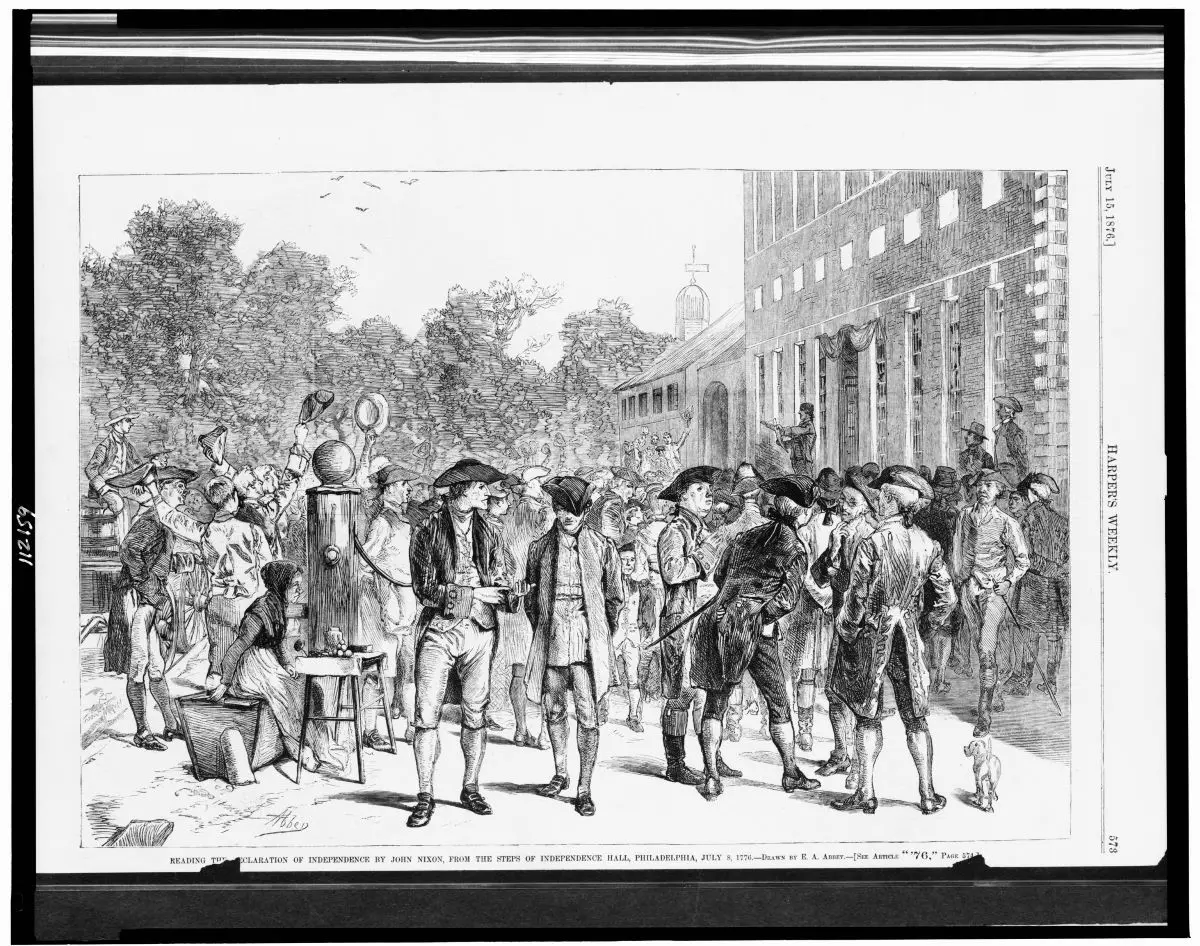 'Reading the Declaration of Independence by John Nixon, from the steps of Independence Hall, Philadelphia, July 8, 1776,' drawn by E.A. Abbey, 1876, for Harper's Weekly. Library of Congress
Amanda Bevan, head of the National Archives’ project to catalog the correspondence of Royal Navy captains during the American Revolution, said the document is historically significant not only due to its age but because it was captured from a ship under the direction of the recently formed Continental Congress, with orders signed by its president, John Hancock.
Little historical attention has been given to the Americans who went to sea to disrupt British trade and battle the Royal Navy, Bevan said.
She believes the captain of the Dalton would have read out his orders, as was customary, as well as the declaration itself. Finding a copy of the declaration on board the ship suggests how it might have been used, Bevan added.
“They know why they’re fighting, but this puts it in a language which makes it greater than them,'' Bevan said.
“They’re not fighting because they’re aggrieved in particular. They’re fighting for an ideal. And I think that just to find the declaration in a theater of war where people are committing themselves to fight for their country on the wide ocean is really something special.”
The 18-gun Dalton was a privately owned vessel that fought under the auspices of the Continental Congress to boost the tiny navy of the brand-new nation.
According to historians, Captain Thomas Fitzherbert, commander of Britain’s 64-gun HMS Raisonnable, chased the Dalton for seven hours on Christmas Eve 1776 before capturing the vessel off the coast of Portugal.
The Dalton’s 120-man crew was imprisoned in Plymouth, on the south coast of England, in harsh conditions.
Charles Herbert, who was just 19 when he was captured, kept diaries of his two years of captivity, describing hunger, illness, and repeated punishment, before he was released in a prisoner exchange.
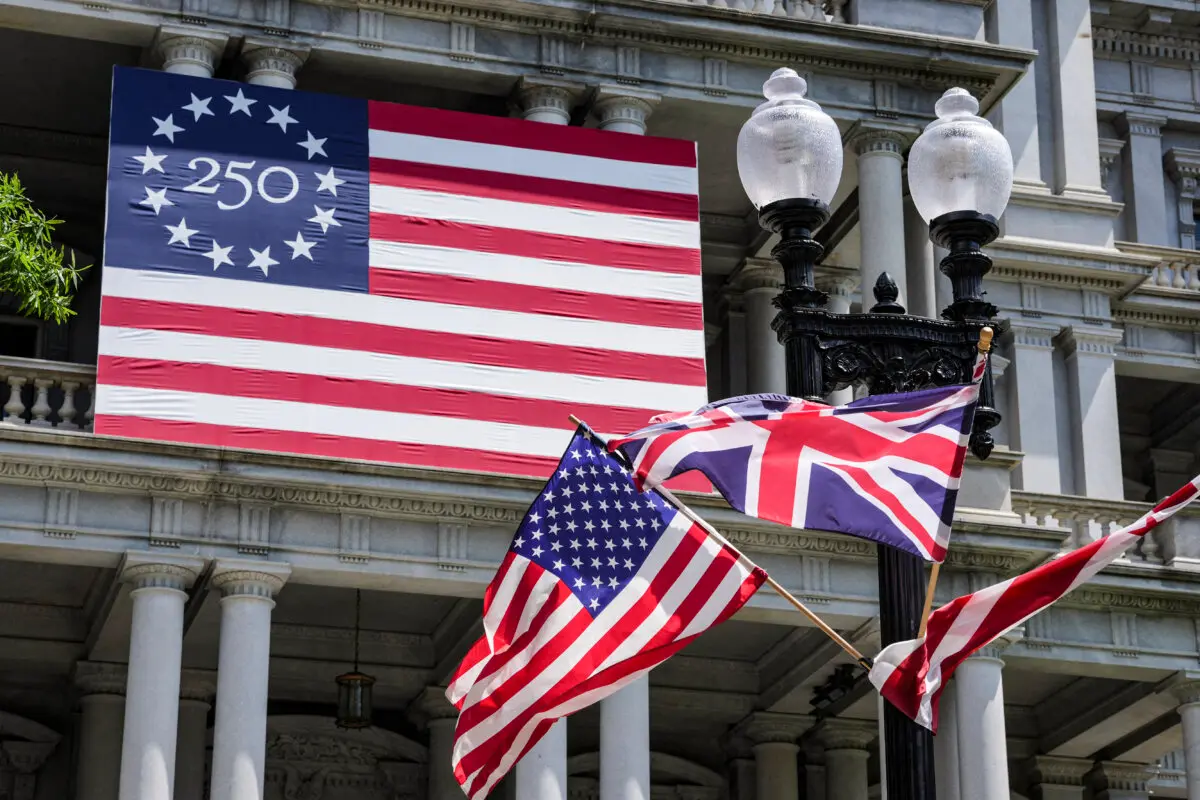 US and UK flags fly near a flag celebrating the United States' 250th anniversary of independence ahead of the state visit of Britain's King Charles III and Queen Camilla in Washington, on April 27, 2026. Ken Cedeno / AFP via Getty Images
Historians in the United States have expressed excitement about the National Archives’ discovery, saying it shows how the full story of independence is still unfolding.
“It’s not just a document, it’s an artifact,” said Matthew Skic, a director at the Museum of the American Revolution in Philadelphia.
“It’s a tangible connection to the past, because holding that piece of paper in the archivist’s hand today is a way to transport us back to 1776. The baton being passed, in a way.
“Even though 250 years has gone by, we still do not know everything about the American Revolution, and there are still finds left to be discovered.”
The freshly discovered copy has undergone conservation works to stabilize its paper and repair a slight tear, making it safe for handling, study, and future display.
It will go on display to the public as part of Revolution 250: America’s Independence Story, 1763–1783 at The National Archives.
The collection in London already holds three of the original official copies of the Declaration of Independence printed by John Dunlap in Philadelphia on 4 July 1776.
Around 200 copies are likely to have been printed on the night, of which only 26 are known to have survived until today, according to the Library of Congress.
The Associated Press contributed to this report
We had a problem loading this article. Please enable javascript or use a different browser. If the issue persists, please visit our help center.