Meet Adam Vickers, Arizona’s ‘Cactus Doctor’
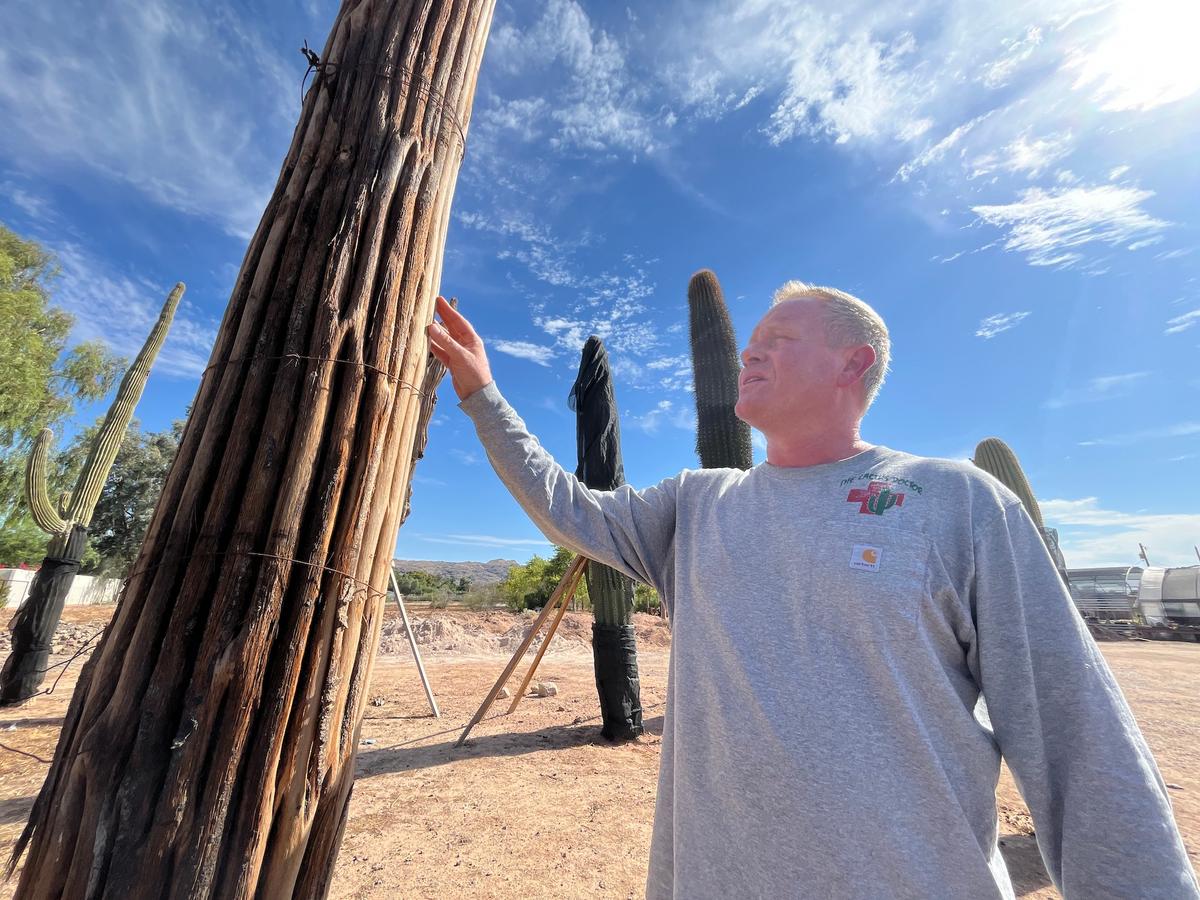 Adam Vickers, 47, better known as The Cactus Dector, examines a dead Saguaro cactus in Phoenix on June 23, 2026. Allan Stein/The Epoch Times
PHOENIX—Adam Vickers has spent years listening to the silent language of saguaros—reading their scars, treating their diseases, and healing their wounds.
Somewhere along the way, he came to believe Arizona’s iconic cactus is more than flesh and spines.
It has a soul.
As disease, relentless heat, and development continue to threaten the desert’s towering sentinels, he is racing against time to save as many as he can.
“If we don’t do something soon, we’re not going to be able to hold on to the saguaro—especially in the inner city,” Vickers, 47, said from the cool refuge of his Phoenix office as temperatures outside climbed to 118 degrees.
“They’re the keystone species of Arizona. They provide for all of our habitat—the birds, the bats. A lot of people are coming to me right now saying the saguaros are barely showing flowers this year,” he said.
Related Stories
Vickers, known as the “Cactus Doctor,” said he first noticed changes around 2020, as rising temperatures coincided with more saguaros slumping and dying across the landscape.
In some cases, he said, the plants appear to fail from within, their internal structure breaking down into what he describes as “mashed potatoes”—as if they’ve been slowly cooked from the inside.
While saguaros are built for desert extremes, he said they are not designed for long stretches of heat without nighttime cooling.
The saguaro is a “very unusual cactus,” and it seems to only grow in the Sonoran Desert, Vickers told The Epoch Times.
They’re sensitive to heat, cold, wind, moisture, and even the stress of transplanting or relocation.
“It comes down to geology, the soil content, everything that evolves, and then elevation is super critical where they can grow,” he said.
According to the National Park Service (NPS), the summer of 2023 ranked among the hottest and driest on record in the Sonoran Desert. Whether that marks a long-term trend remains unclear.
The agency also noted an unusually hot and dry 2020 monsoon season following two relatively stable rainfall years.
“Since the summer of 2023, there has been concern of saguaros dying or being damaged due to the excessive heat we have been experiencing,” the NPS said on its website.
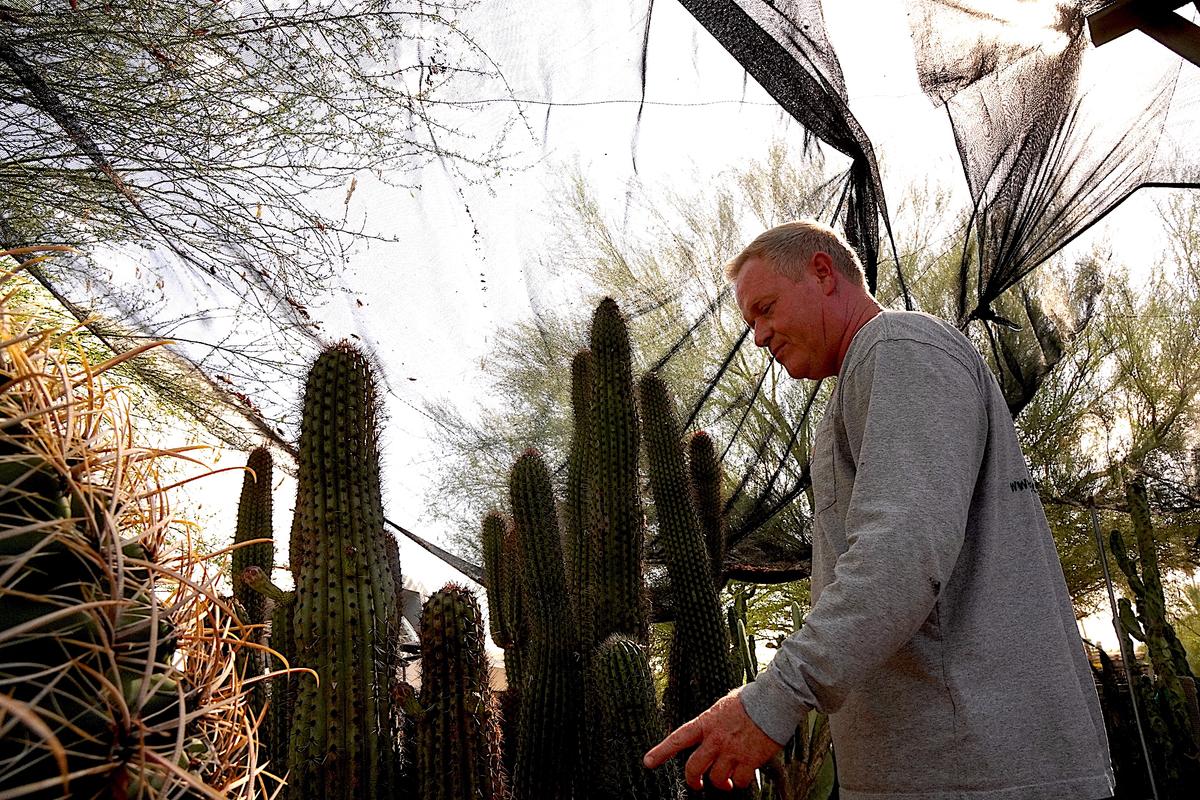 Adam Vickers, 47, better known as The Cactus Doctor, examines rescued Saguaro cactus under protective netting in Phoenix on June 23, 2026. Allan Stein/The Epoch Times
Estimates have placed annual mortality rates among Arizona’s saguaro cacti at roughly 1 percent before 2020, rising to about 7 percent since then.
Still, officials say there is no evidence of widespread die-offs at Saguaro National Park. The greatest concern is regeneration.
Seedlings face the highest risk in their earliest stages, when they cannot yet store water.
“Thus, drier seasons can be a threat to new generations,” according to the NPS.
Succulent ScienceSaguaros, one of Arizona’s signature succulents, are a familiar sight across fast-growing cities like Phoenix, now home to about 1.6 million residents.
The Desert Botanical Garden says summer heat has intensified in recent years, with stretches of triple-digit temperatures lasting for days, placing stress on all desert life, including plants and succulents.
As Phoenix continues to grapple with escalating temperatures, the organization says strategic adaptation and sustainable urban planning are needed to reduce the strain on city green spaces and ecosystems.
To help track and protect saguaros, the garden launched Saguaro Initiatives, a series of community science projects focused on documenting and preserving the cactus.
One effort, the Saguaro Census, began in 2022. Each May, residents are encouraged to document saguaros in Phoenix’s “Valley” using the iNaturalist app.
Anyone can join the project and help researchers better understand the demographics of the urban saguaro population.
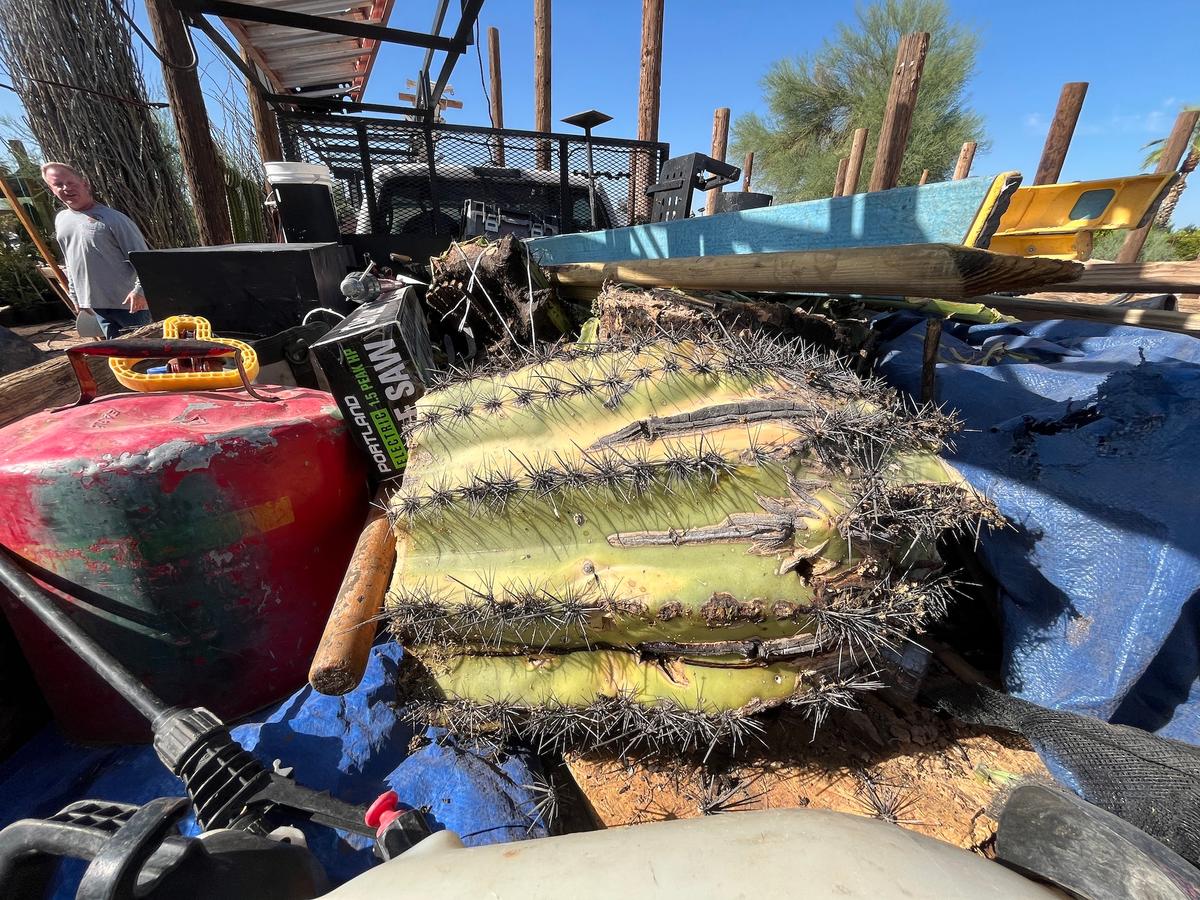 Pieces of a recently removed saguaro cactus sit in the back of Adam Vicker's pickup truck at The Cactus Doctor in Phoenix on June 23, 2026. Allan Stein/The Epoch Times
The National Park Service has conducted a saguaro census every 10 years since 1990, using citizen science to track cactus health across protected lands.
The 2020 estimate in Tucson placed the broader regional population at more than 2 million saguaros.
Emotional RootsVickers said urban sprawl, along with rising heat trapped by development, poses a direct threat to saguaros.
Poaching can also be a problem, he said.
Many of his clients are homeowners deeply attached to their cactus, and in that regard, he often finds himself acting more like a counselor than a specialist.
“I’ve had to do surgeries, opening up the actual wound, and explaining that the saguaro cannot be saved due to the circumstances,” Vickers said.
“I almost need to be a psychologist just to calm them down. They’re just bawling. Or they walk away. It’s hard.”
Vickers learned the tools of his trade from longtime saguaro specialist Rilee Leblanc, widely known as the original “Cactus Doctor.”
Born in Thailand, Leblanc trained at the Desert Botanical Gardens Landscape School in Phoenix.
“He knew I had a passion [for saguaros] because I knew all about plants,” Vickers said. “And I was working; I had my own landscaping company” and a degree in landscaping.
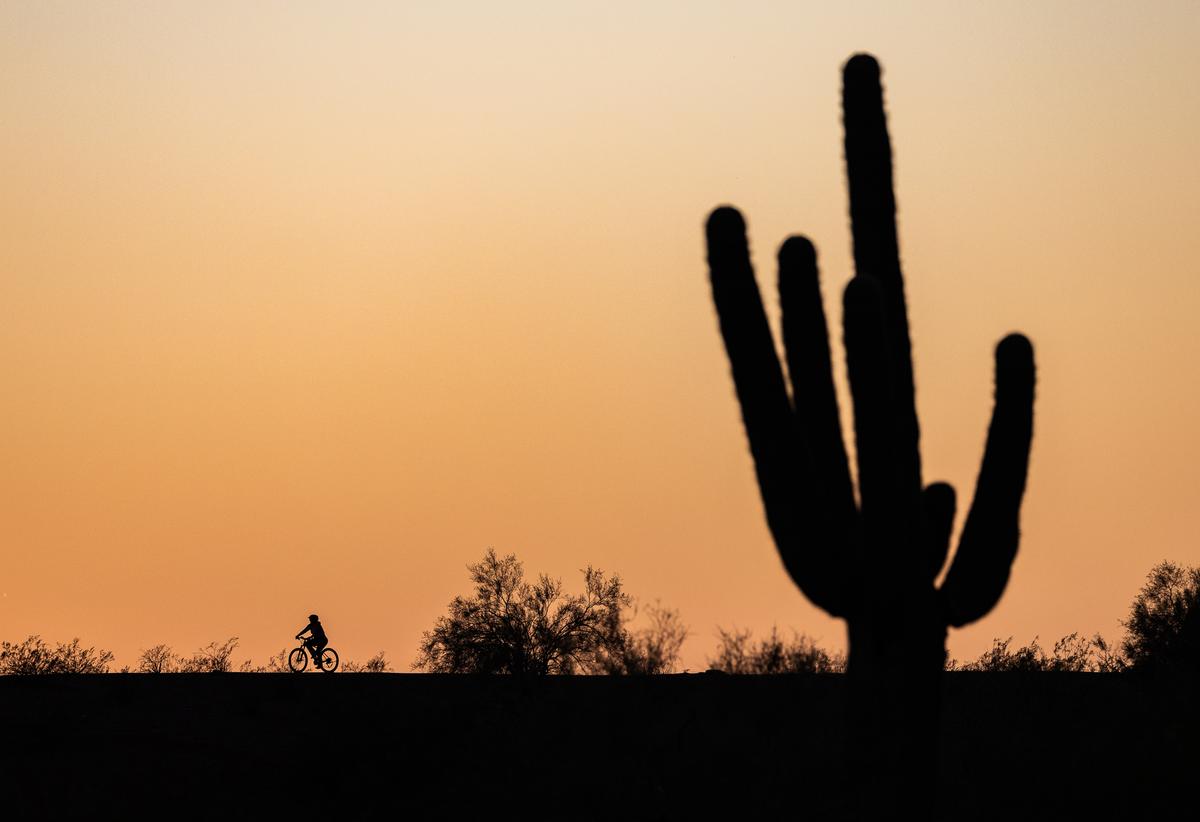 A cyclist enjoying the sunset in Phoenix on Oct. 14, 2024. John Fredricks/The Epoch Times
In 2015, as Leblanc neared retirement, Vickers bought the business and carried forward his mentor’s work.
He said the biggest threat to saguaros is not only climate stress, but lack of training and expertise in handling them properly.
“We’re finding it’s landscapers and tree arborists that are the biggest threat,” he said.
“You have to physically diagnose saguaros. It’s like you wouldn’t go to a doctor and they’d say, ‘send pictures of your leg,’” Vickers said.
Through his specialized knowledge, Vickers has been called to jobs across Arizona and beyond.
Living LargeAlter Property Management in Tempe, Ariz., notes the saguaro—the nation’s largest cactus—can live more than 150 years and grow up to 40 feet tall.
The Saguaro cactus (Carnegiea gigantea) is “more than just a plant; it’s an emblem of the American Southwest,” the company said, describing it as a symbol of endurance and adaptation.
Some saguaros Vickers worked with weighed more than 4,800 pounds, he said.
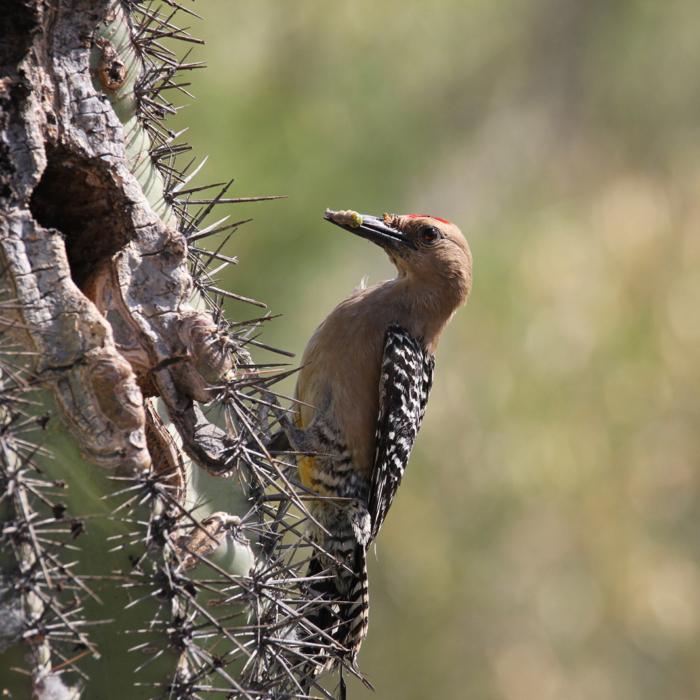
Its flowers and fruit support birds and insects, while its towering structure provides nesting sites for species such as Gila woodpeckers and elf owls.
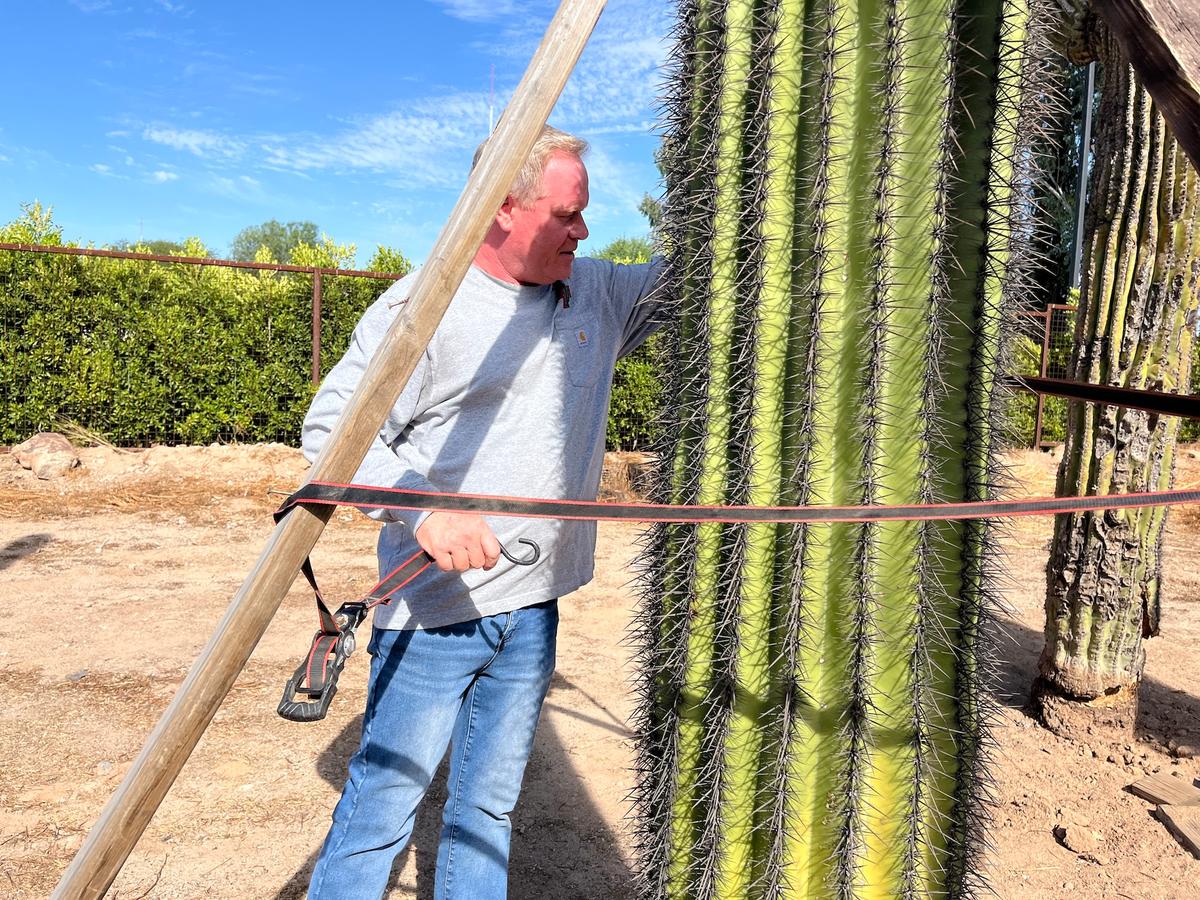 Adam Vickers, widely known as The Cactus Doctor, gets to work securing a rescued saguaro cactus in Phoenix on June 23, 2026. Allan Stein/The Epoch Times
“For Arizona homeowners, having a saguaro on their property means being a steward of an essential ecological partner,” Alter Property Management said.
Under Arizona’s Native Plant Law, saguaros cannot be cut down, damaged, or relocated without a permit, and removal requires approved reasons such as construction or safety concerns.
“Understanding these laws is crucial for homeowners to avoid legal complications,” the company added.
To help saguaros withstand extreme heat, Vickers uses black shade netting wrapped around vulnerable plants and believes the method could be expanded across urban areas.
He has also experimented with misting systems, though he warns they can do more harm than good if misused.
“I’ve been pushing the shade cloth and the misting, but the misting has to be very careful. People will overdo misting and then cause more damage than good to the saguaro,” Vickers said.
He is also developing a diagnostic device aimed at detecting internal stress, including heat damage and bacterial necrosis, a potentially fatal rot.
The work is both profession and calling for Vickers, who sees his mission as educating the public on the proper care and treatment of a national treasure.
On his property, he regularly takes in struggling saguaros and tries to nurse them back to health.
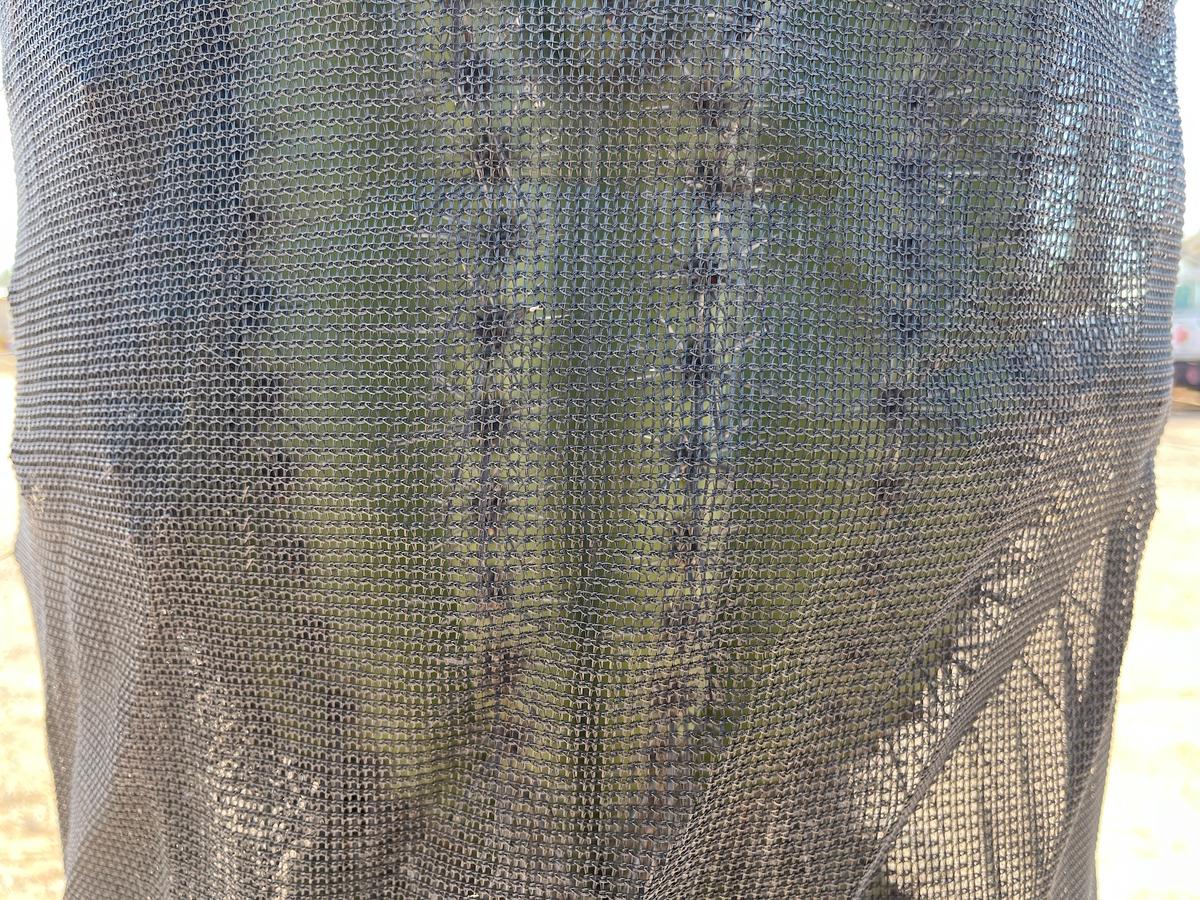 This rescued saguaro cactus is wrapped in a breathable netting to keep it cool at The Cactus Doctor in Phoenix on June 23, 2026. Allan Stein/The Epoch Times
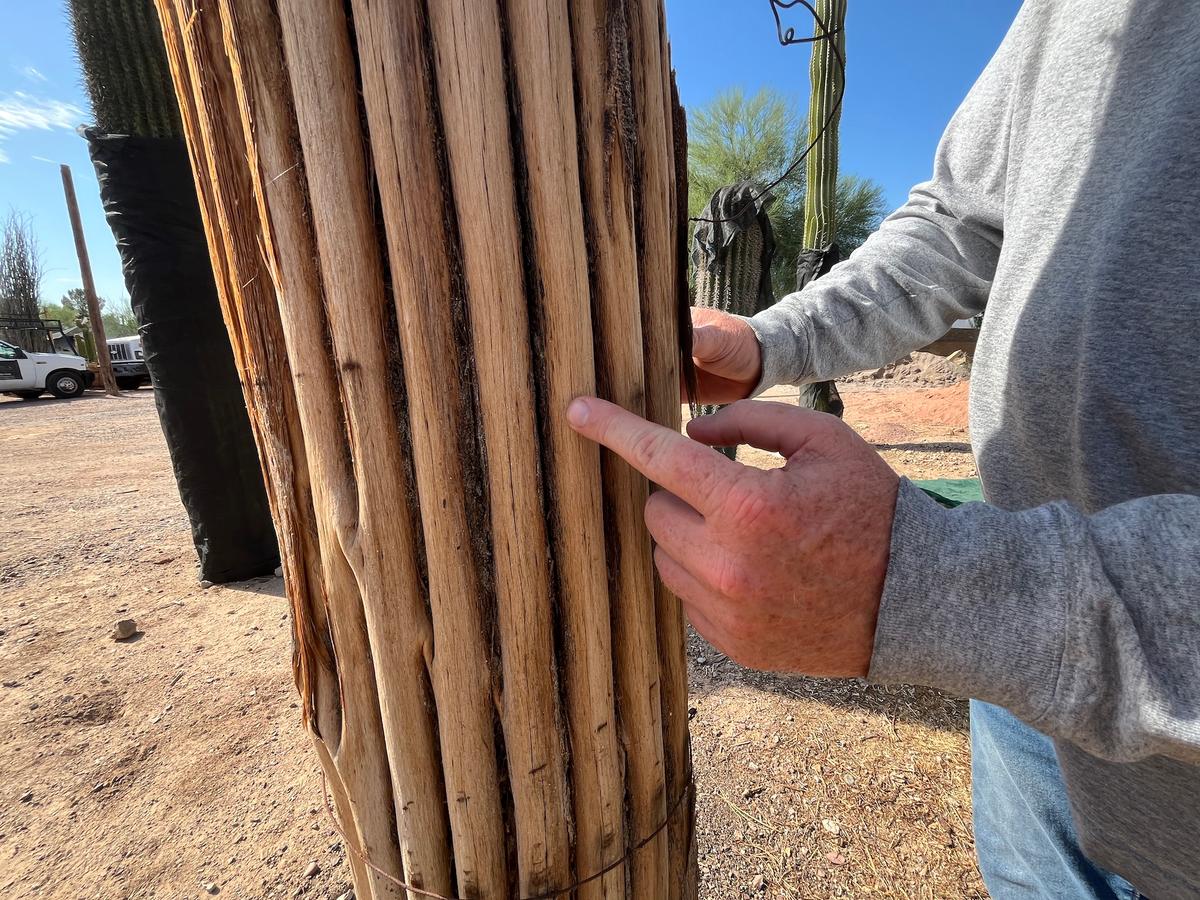 Adam Vickers points to the intricate "ribs" of a dead saguaro cactus in Phoenix on June 21, 2026. Allan Stein/The Epoch TimesPlants With Personality
Vickers says saguaros are more than desert flora.
“I feel like they have a soul,” he said. “They’re really unique in their own way.”
Across southern Arizona, they stand in dense numbers, from armless “spears” to sprawling, multi-limbed giants.
Some lean into human-like postures—arms raised in surrender, fists up as if ready for a fight, humorously giving “the bird,” or tangled together in a slow desert dance.
No two are alike, he said, and understanding them takes more than observation—it requires empathy.
That, he says, is what Leblanc taught him.
“It’s not about just looking at them,” Vickers said. “It’s the feeling that you get.”
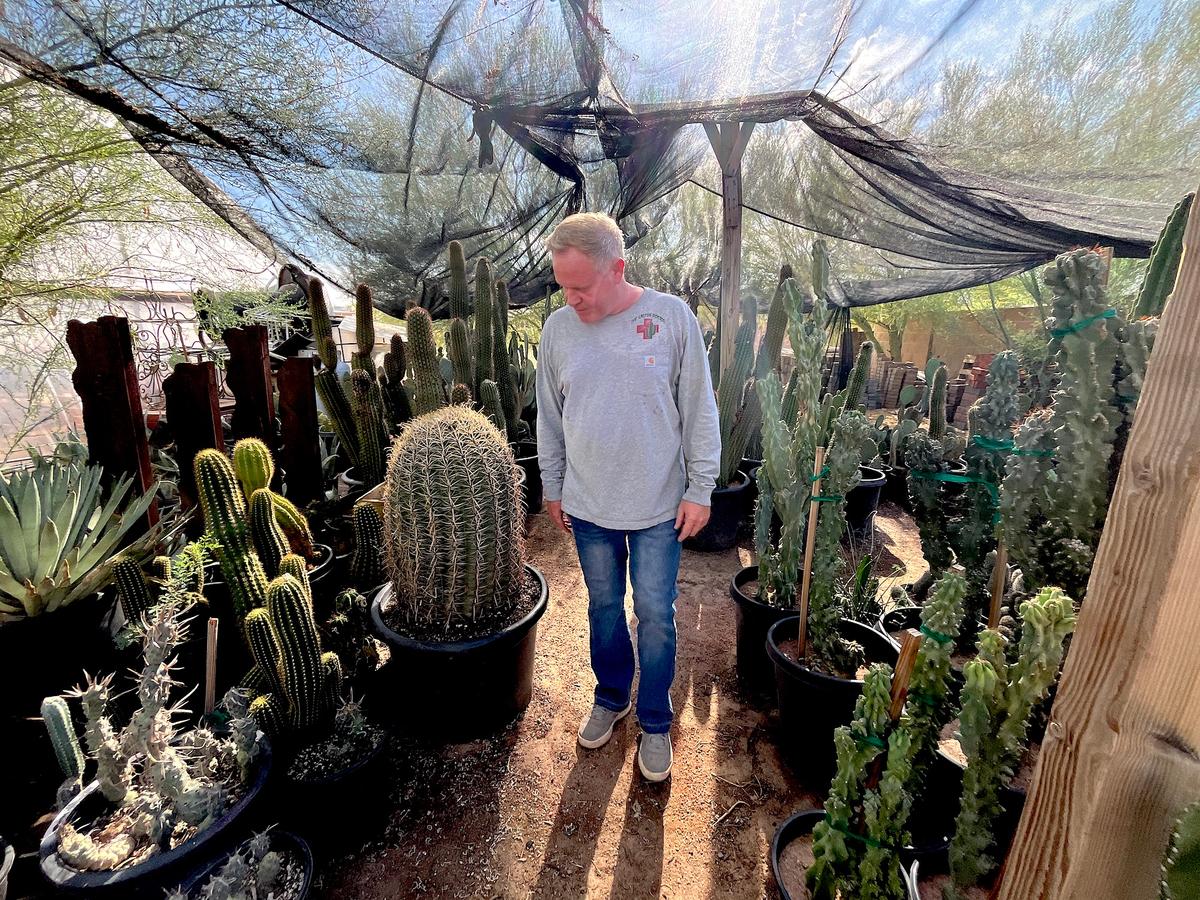 Adam Vickers walks among the rescued cacti in his "cactus garden" at The Cactus Doctor in Phoenix on June 23, 2026. Allan Stein/The Epoch Times
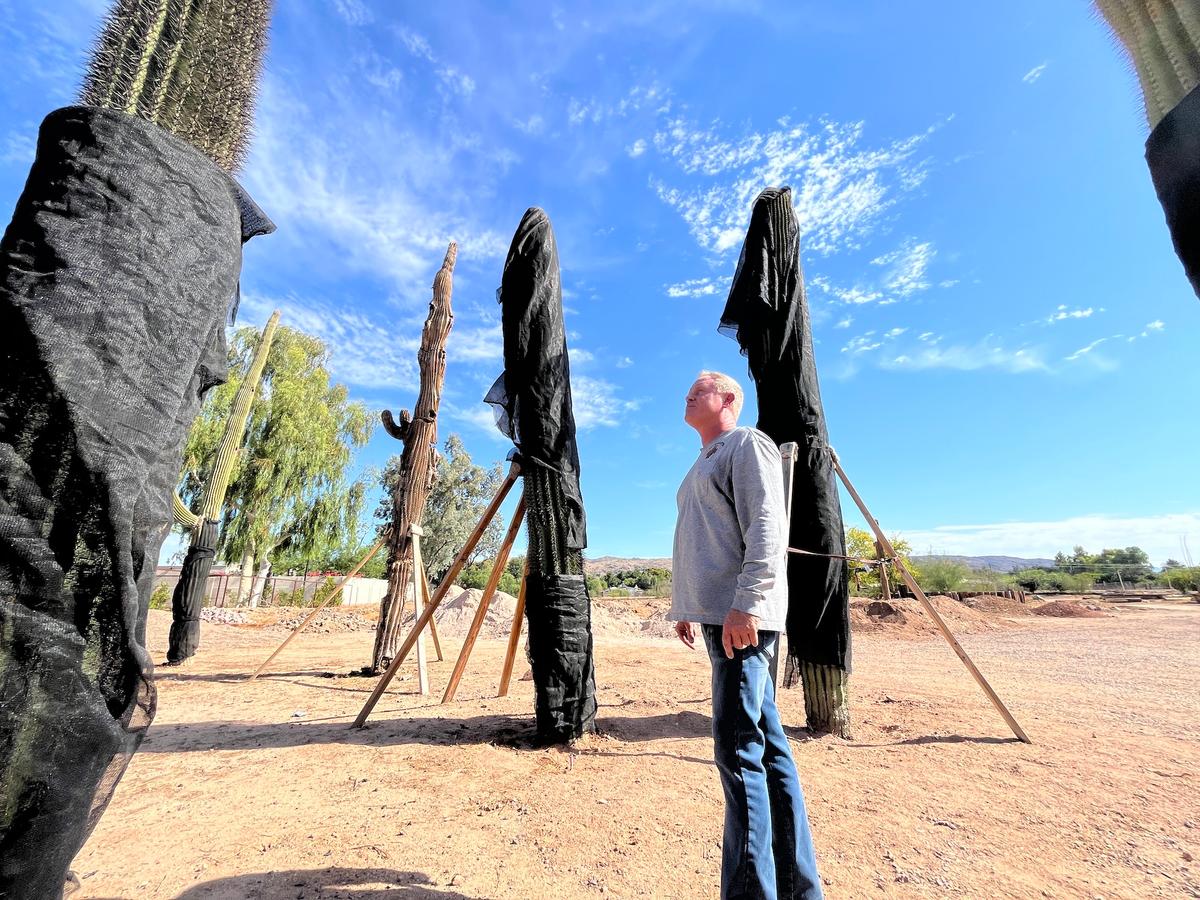 Adam Vickers looks up at a towering saguaro cactus wrapped in protective netting in Phoenix on June 23, 2026. Allan Stein/The Epoch TimesWe had a problem loading this article. Please enable javascript or use a different browser. If the issue persists, please visit our help center.