This new tech defeats license plate cameras 'ethically and legally' | Blaze Media
A proposal called the Scarecrow system says evading automated license plate recognition from unwarranted photography and capture can be done without breaking any laws.
The research predominantly rejects the collection of license plate data by ALPR operators like Flock, a company that controls cameras in thousands of jurisdictions in the United States.
'They capture and index every plate that passes.'
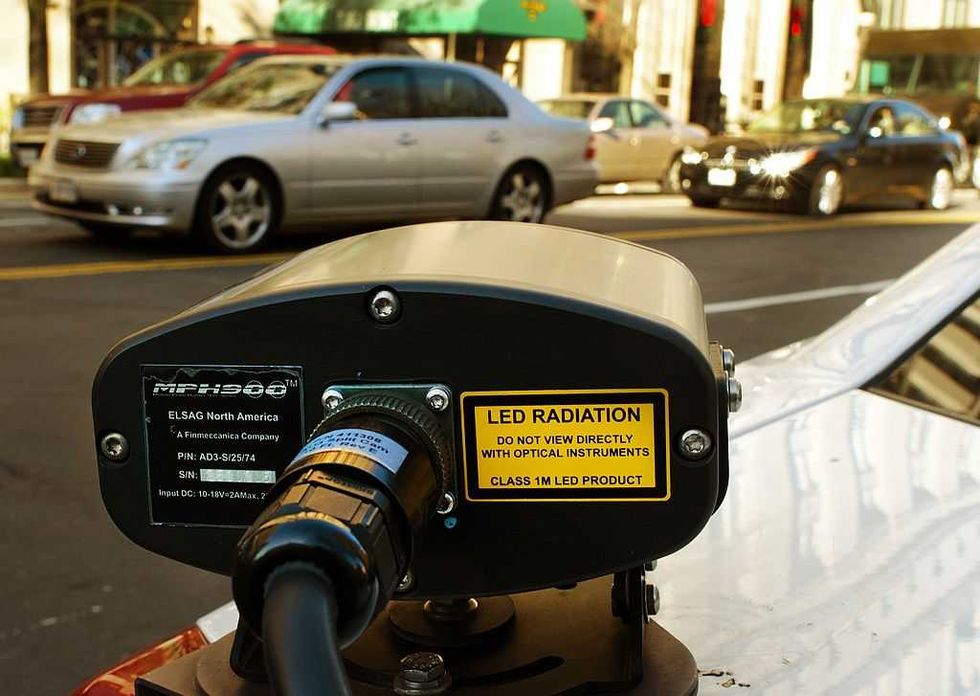
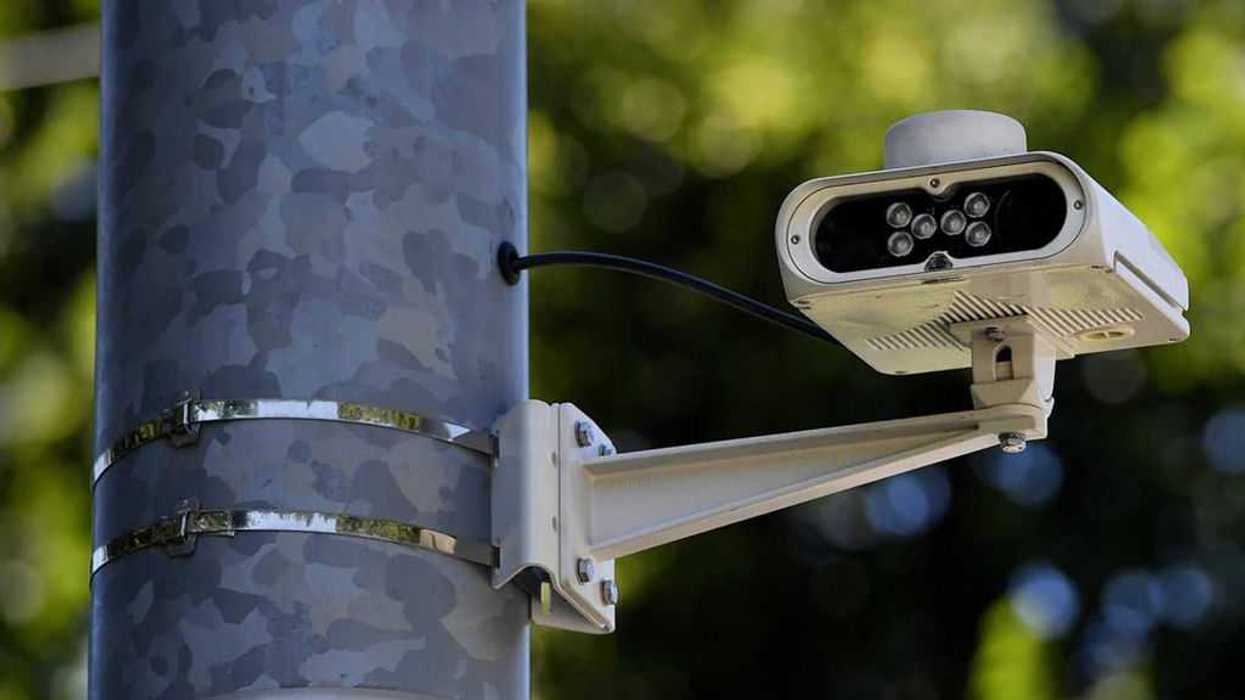
Flock currently has over 100,000 monitored surveillance cameras across the country, and as the researcher Max Harari states, these cameras exist in "our neighborhoods, parking lots, and police networks."
"They capture and index every plate that passes, feeding a searchable surveillance database with no warrant, no notification, and in most cases no public oversight," Harari writes.
Harari's project uses what he calls adversarial frame pattern optimization that generates a grayscale pattern to be placed on a frame around the license plate. The aim is to "suppress detection" while remaining legible to the naked eye and unobscured to humans in real life.
RELATED: Big Brother on the road: Backlash grows against license plate surveillance
 PAUL J. RICHARDS/AFP/Getty Images
Using the Scarecrow method, ALPR detection confidence allegedly drops from 0.84 to 0.00, which is described as "full evasion."
The methods of distortion used include rotation and perspective warp, brightness and contrast shifts, motion blur, "additive noise," and distance distortion.
All of these tactics allegedly disrupt Flock and "most" ALPR cameras that are mounted between eight and 12 feet.
The custom license plate requires a photo of the owner's plate and promises to deliver an individualized pattern that completely evades AI camera detection.
The requirement of having a 3D printer means it is likely that the cover has varying depths and tangible patterns.
RELATED: License plate readers or surveillance? The number of AI cameras in the US is shocking
 Rich Sugg/The Kansas City Star/Tribune News Service/Getty Images
"A system that can track anyone, anywhere, with no transparency or accountability is fundamentally immoral. This project is my way of exploring what can be done about it, ethically and legally," the researcher argued.
Harari also said in a post that he has not tested the system on an actual Flock camera, but his research indicates it should work across different hardware and license plate detection models.
Like Blaze News? Bypass the censors, sign up for our newsletters, and get stories like this direct to your inbox. Sign up here!