The Last Free City | Blaze Media
New Orleans is an outlaw city filled with vagrants and conmen and musicians and wonderful human beings. It’s violent and wild and fun; concepts America used to have before being taken over by venture capitalists and HR scolds. Visiting the city for Mardi Gras is a reminder of how different the Crescent City is from the rest of the country.
When you travel around the country, you start to get the sneaking suspicion you’ve wandered into the Backrooms: you’re stuck in the same chain restaurants and antiseptic, safe loops. Sure, there are spots in Chicago or Birmingham or Portland or Los Angeles that feel unique, but even New York has turned into a safe space to wait in line for cronuts or some other retarded piece of internet slop.
It’s truly an extraordinary drink. Sweet and strong and evocative of a time when the plantations weren’t for tourists.
You certainly don’t get that feeling in the Big Easy. I arrived the weekend before Mardi Gras to take in the vibe, get drunk, and visit my friend Jefferson, who lives in Treme, and relishes the city like a retired walking tour guide. Even though it’s a Friday, he insists on abandoning work. We head directly into the debauchery.
Grape Drank and GatsWe take a shot, grab walking-around beers, and head to the French Quarter. For as much as we collectively yammer about muh freedom, this city is one of the only places in the country I can walk around imbibing without being harassed like some criminal. Every other country besides Saudi Arabia and the U.S. doesn’t seem to have a problem with this. We duck into Lafitte’s Blacksmith Shop Bar, which has been a bar since the 1700s and serves some disgusting concoction called Grape Drank. Neon purple and sweet and way too strong, it produces an instant alcoholic brain freeze.
We bum cigarettes off some obese Wisconsin Boomers who seem to be having the time of their lives. We stop in at various live music spots and keep drinking and absorbing the vibes when Jefferson announces that we really need to start drinking. We walk over to Fives Nola Raw Bar and sit outside to people watch. We order something called the Ti Punch Service ($16), which is Cheramie rum, raw cane sugar, and limes. It’s truly an extraordinary drink. Sweet and strong and evocative of a time when the plantations weren’t for tourists.
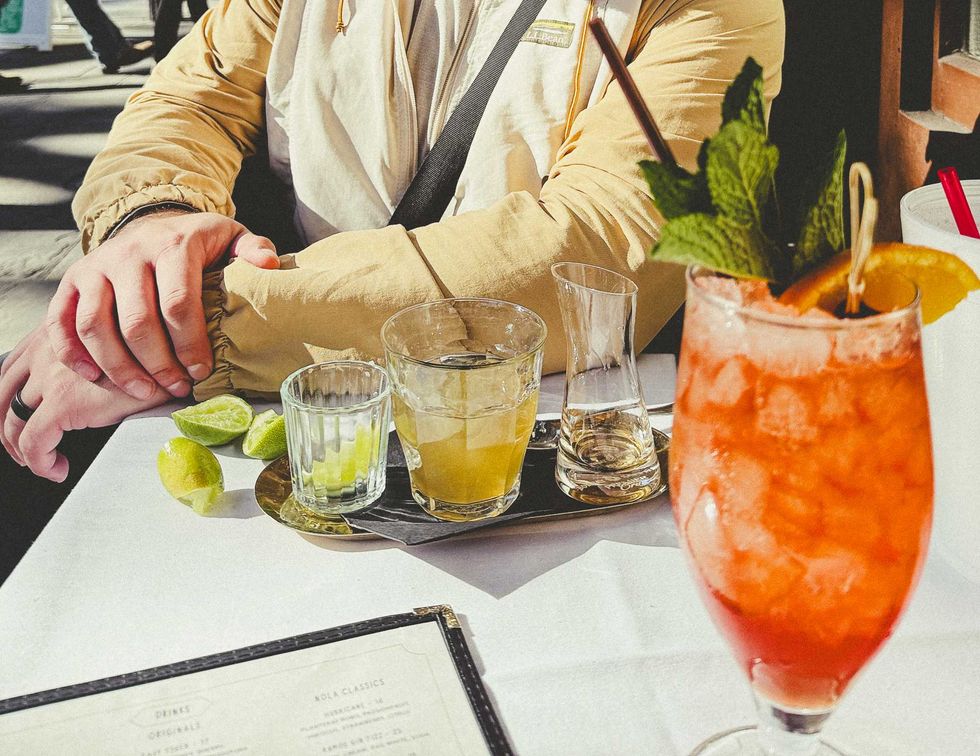 Rum. Lime. Cane Sugar.Patrick Cleburne
We spend an amazing afternoon drinking these, chatting with random people who amble by, and genuinely having more fun than we deserve. As the sun sets across the bay, we decide it’s time to walk back to his house before our wives get too upset with us.
“Ah, shit. I left my gun in the bar,” Jeffer son blurts out as we reach his house.
Apparently, the manbag he had been rocking was carrying the $900 Sig he had just purchased from a sketchy Guatemalan, and he had left it on the ground at the bar. My non-New Orleans brain, finding a few sober synapses, thinks this was a bad situation, but my friend says it’s fine. He insists on driving the 20 blocks back, which again seems like a very bad idea. But who am I to argue with the local custom?
Driving around in any condition during Mardi Gras is a Kafkaesque nightmare of closed streets and drunk tourists, random parades and marching bands colliding in a cacophony of booze-fueled noise. This fool’s errand is no exception. A black cop walks up to us while we’re stopped in traffic. I assume we’re about to be in actual trouble. Instead, he just bums a cigarette.
“Goddamn Mardi gras, man,” was all he said as he meandered back to his beat.
We parked illegally on some curb and walked back to the bar. A black female hostess who couldn’t have been more than 4’2” greets Jefferson, and he inquires about his missing bag.
“Honey, you’re going to have to be more specific. A lot of people leave bags here,” she explains.
“Umm, it’s the one with the gun.”
“Oh yeah follow me,” she laughs as we follow her around people drinking martinis and eating oysters.
In the kitchen, the Mexican cooks laugh when we ask them about it.
“Yeah the one with the red dot; it’s over there on the table.”
I’m not sure what to do, so I grab some 20s from my wallet and give them to the guys for returning a loaded firearm and not calling the police. We get lost trying to find the car, eventually spot it, and drive home. I realize my friend must live here. In any other city, he would be some outlaw despised by neighbors and the police alike. In New Orleans, he’s an upstanding member of the community.
Won't bow, don't know howAmerica in 2026 is a nation obsessed with management. Everywhere one turns, there is a system. There are experts, consultants, compliance officers, moderators, regulators, facilitators, scolds, “kind” people, do-gooders of every disgusting stripe, sensitivity trainers, algorithmic curators, and young men with lanyards who speak of “stakeholders” with the solemnity of a funeral director. The Republic increasingly resembles a gigantic airport terminal. Every surface is either antiseptic or filthy from the crowding of the 50 million people who’ve moved here recently. Every movement is monitored. Every deviation is logged and noticed.
New Orleans remains a standing fuck you to the managerial imagination.
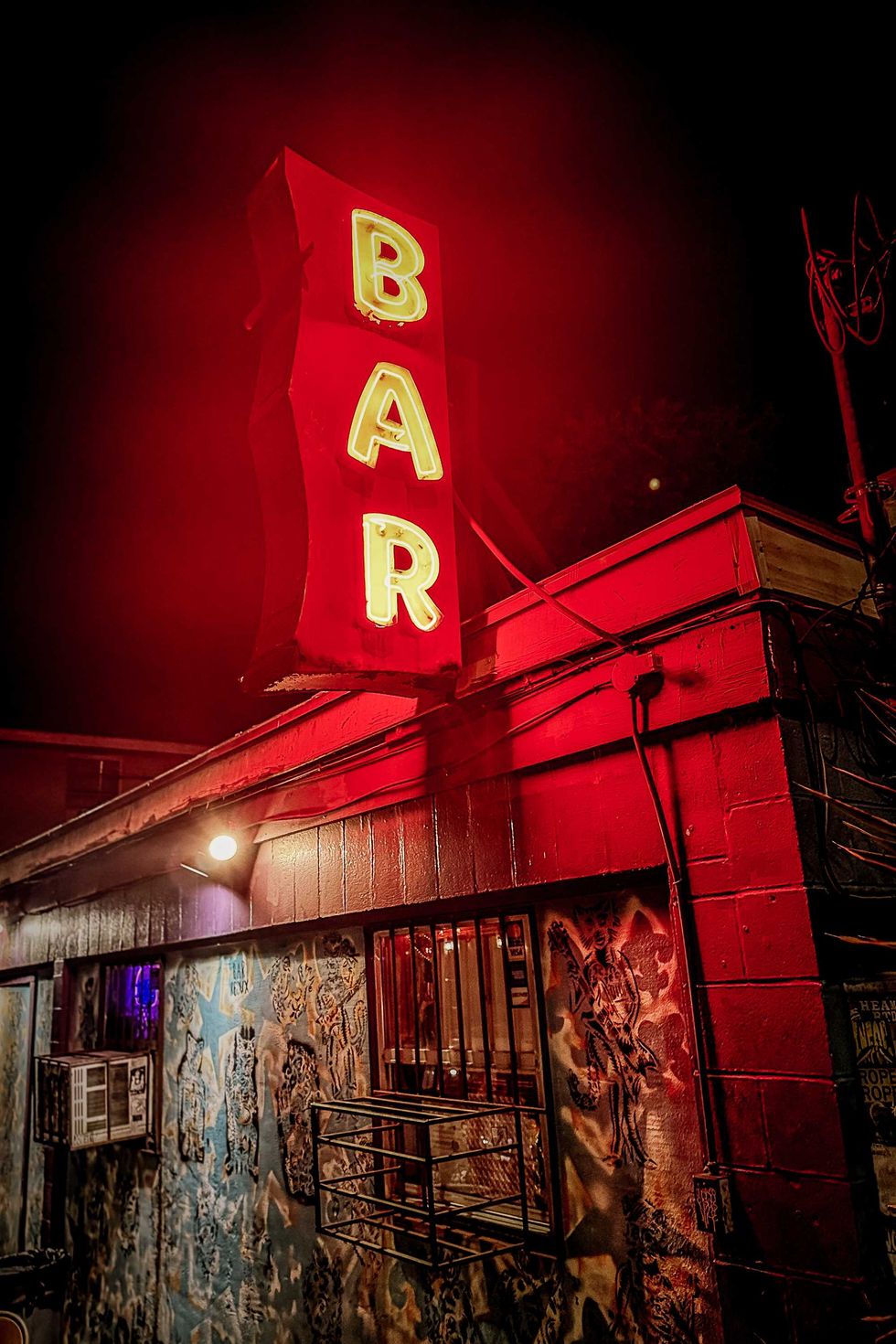 Patrick Cleburne
The city sits at the mouth of the Mississippi River like a drunken uncle who has somehow survived a heart attack, three bankruptcies, and two divorces only to lecture the family about the folly of prudent living. “You know people drop dead jogging,” he might say while smoking a dart.
Every decade, some expert predicts its death, but every decade, it stubbornly refuses to disappear. One suspects that New Orleans survives largely out of spite.
The managed-to-death American city seeks to eliminate surprise. The goal is a frictionless landscape of chain stores, luxury apartments, bike lanes, wellness boutiques, and residents who all possess remarkably similar opinions. The ideal citizen of such a place is healthy, productive, digitally connected, professionally ambitious, and perpetually supervised.
New Orleans has never produced many ideal citizens.
It has instead produced gamblers, musicians, poets, writers, bartenders, fishermen, eccentrics, drunks, philosophers, hustlers, and characters who seem to have wandered out of forgotten novels. The city treats conformity as a form of mental illness.
This is not always admirable. A great deal of chaos masquerades as freedom. A great deal of incompetence disguises itself as charm. The potholes are real. The crime is real. The corruption is real.
But so is something else.
In an age when much of America appears determined to become interchangeable, New Orleans remains unmistakably itself. The city represents a peculiar American tradition that predates the spreadsheet. It is the belief that life is not primarily a problem to be solved; it is an experience to be endured, enjoyed, and occasionally survived.
Play For That Money, BoysThe French Quarter, for all its tourist absurdities, still embodies this philosophy. Walk through it long enough and one encounters a civilization operating according to different assumptions than those governing the rest of the country. Music spills from open doors and conversations stretch for hours. People linger and get stoned on daiquiris and Sazeracs. Nobody appears particularly interested in optimizing anything.
The modern American often speaks as if freedom consists of selecting between subscription services, but New Orleans remembers an older definition.
Freedom means being left the hell alone. It means the ability to make questionable decisions without immediate intervention from a committee. Freedom means accepting that human beings are strange creatures who cannot be permanently organized into efficient little units of production.
In an age when much of America appears determined to become interchangeable, New Orleans remains unmistakably itself.
The city possesses an almost medieval understanding of humanity. It assumes that people will sin, fail, drink too much, stay out too late, waste time, pursue foolish dreams, and occasionally stumble into greatness. It accepts these facts with a shrug.
Elsewhere in America there is a growing impulse to regulate every aspect of existence. The citizen must be protected from unhealthy foods, offensive jokes, dangerous opinions, financial risks, emotional discomfort, and increasingly, himself. New Orleans regards this impulse with suspicion, keeping it at arm’s length.
The city understands something many Americans have forgotten. A population that cannot be trusted with freedom will eventually lose it.
The great irony is that New Orleans remains one of the most genuinely democratic places in the country. Not politically democratic. Humanly democratic.
The lawyer and the longshoreman drink in the same bars. The millionaire and the musician occupy neighboring stools. The city still generates the sort of accidental encounters that once characterized urban life before everything became filtered through professional and digital tribes.
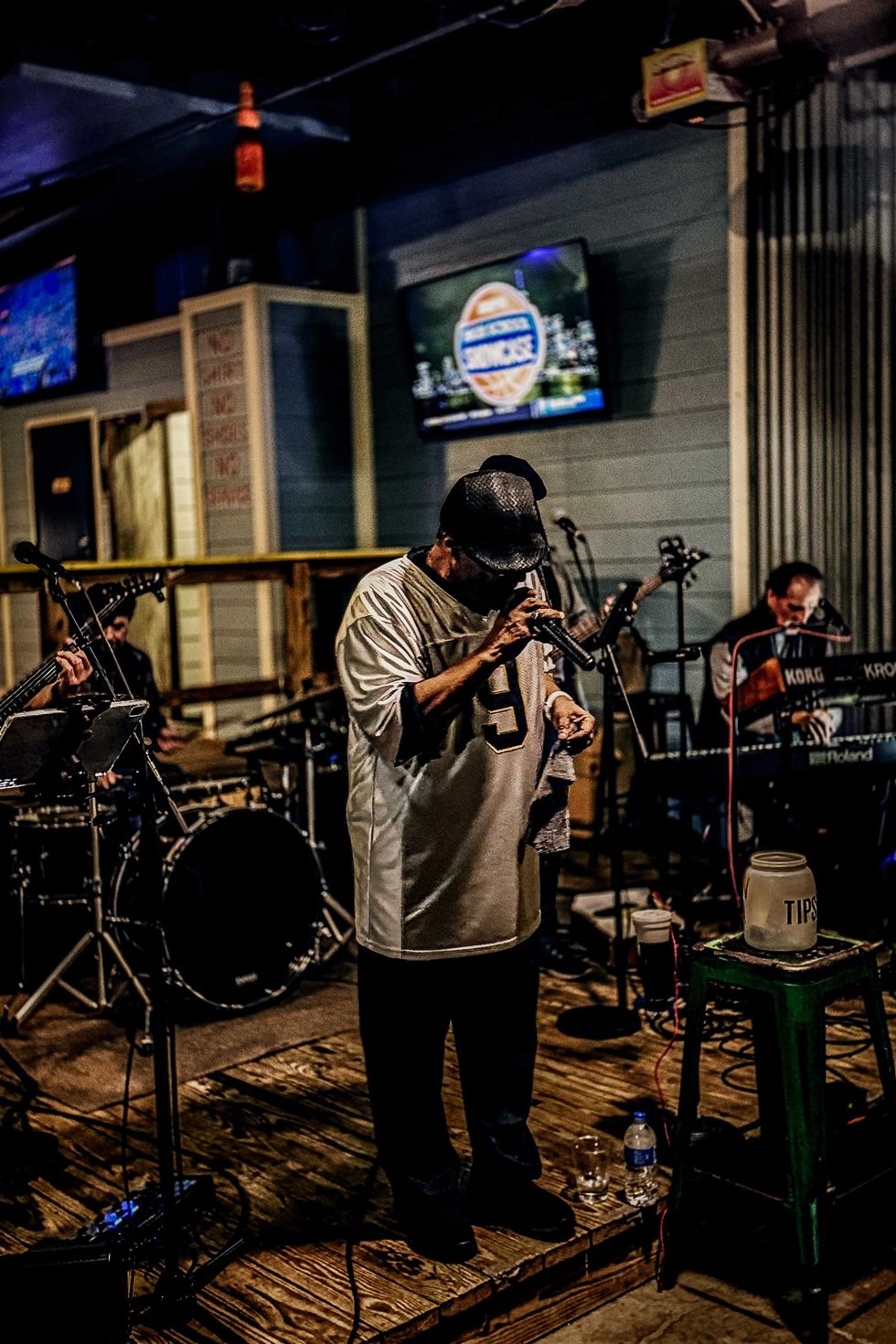 Bars and music imbue the city with a voodoo of what's possible. Patrick Cleburne
It offers a glimpse of an alternative national character. Perhaps more French in nature, but not the elegant Parisian France, and definitely not the efficient America.
Not the responsible America. Not the optimized America. The unruly America.
The America of riverboats and jazz funerals and shootouts.
The America of tall tales and crooked politicians and Ignatious J. Reilly.
The America of Samuel Clemens, Louis Armstrong, Lil Wayne, Fats Domino, and John Kennedy Toole.
The America that laughs at authority.
No sane person would propose that the entire nation become New Orleans. The infrastructure would collapse before lunch.
Yet there is wisdom in the city’s refusal to surrender completely to the administrative state of mind. There is wisdom in preserving places where eccentricity remains possible and where life retains a certain unpredictability. Perhaps that, not lawlessness or disorder or even rebellion, is what New Orleans ultimately represents in 2026.
A memory of an older America that valued liberty over supervision, character over credentials, and vitality over efficiency. The rest of the country may continue its march toward perfect management. Let the nerds bitch about their spreadsheets, and the scolds can keep their kale.
New Orleans will likely continue sitting beside the Mississippi, drinking something brown, eating fried food, listening to a brass band, brandishing pistols, ignoring instructions, and surviving far longer than anyone expects.
Which, when one considers the alternatives, may be the most American thing left.