The Wages of Economic Warfare
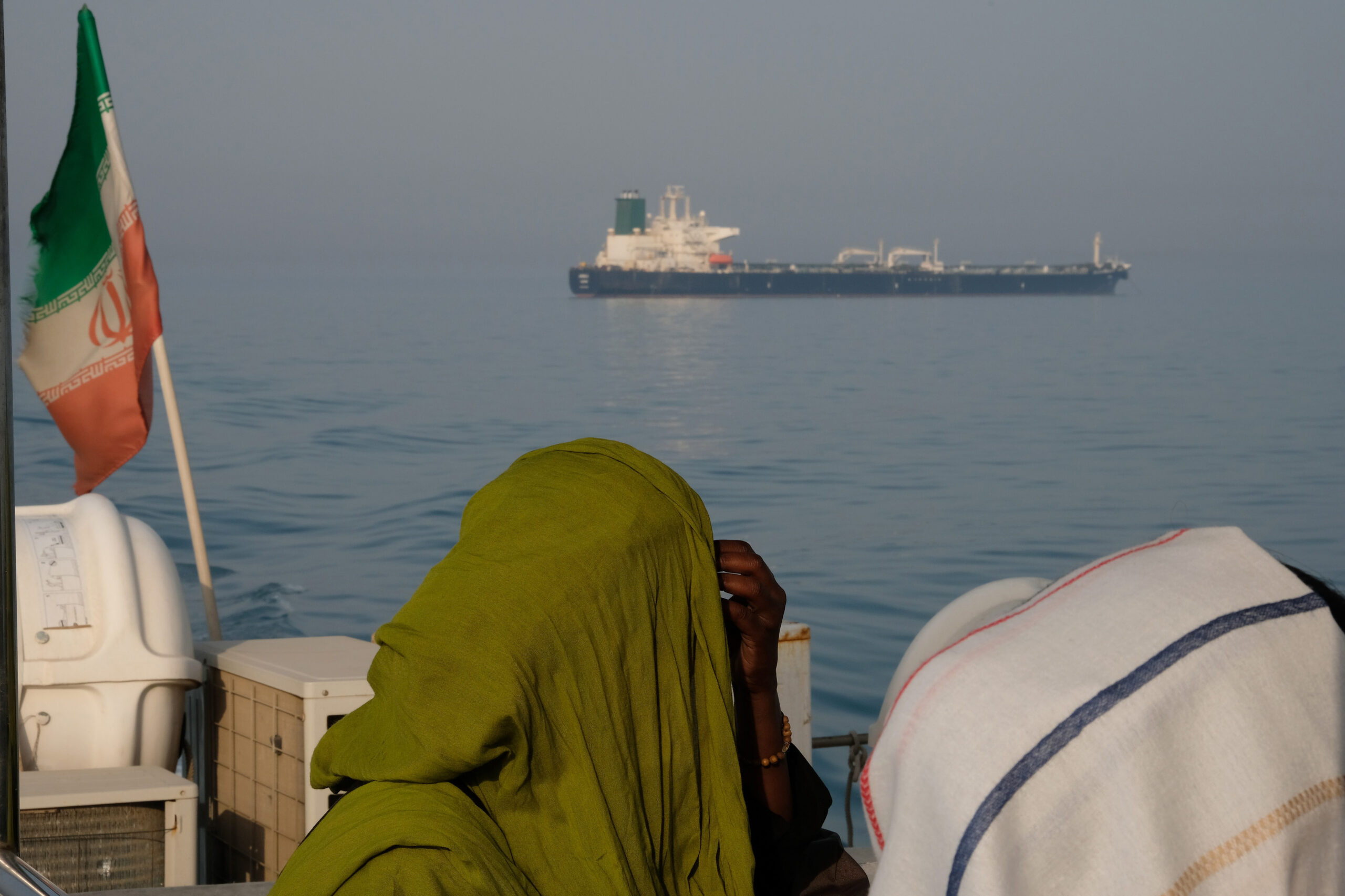
The U.S. was not joined by many allies in its decision to go to war with Iran. Israel and some of the Gulf countries were the strongest supporters of the decision by far. Europeans opted to pass. Asian allies, like the Europeans, were far from supportive of the war because of both its first- and second-order effects.
The war so far is affecting the U.S. mainly through higher gas prices and inflation—but when America sneezes, the world catches a cold. Developed markets are somewhat able to absorb shocks, but there are limits. European countries, which have already been buffeted by the economic and commodity-crunching headwinds of both Covid and the Russia–Ukraine War, are in far worse shape than the U.S. Other countries are also more fragile than expected. Australia’s Prime Minister Anthony Albanese was tweeting about securing an extra 100 million liters of diesel; this amount might sound impressive, but it is what the country consumes in a little over a day. Assuming normal political instincts and intelligence, the fact that he felt it was worth bragging about says something horrifying about where the politics of energy are likely to head in developed countries if there is no sustained resolution to the current conflict.
The effects on developing countries are far worse due to their more fragile markets. Indonesia is limiting fuel sales, Indian gas delivery boys are concerned for their safety due to the extent of the shortage, and Pakistan, leading the negotiations to end the war, is suffering from blackouts. African and Latin American countries are finding themselves in similar situations as incredibly costly fuel creates significant shortages. When these countries realize existing subsidies are unsustainable and are forced to pull the plug, the populations are hit with even higher prices.
None of these countries supported the recent war, yet that will not prevent them from being held partially responsible for the attempted prosecution of it. This will, of course, color how they view the belligerents of the war. Iran is unlikely to come out of this looking particularly good, given it chose to close the Strait of Hormuz and directly created an energy crisis.
Subscribe Today Get daily emails in your inbox
But the U.S. and its allies should consider how their side of this will play in the public sphere in those same countries. The Americans chose to prosecute a war of choice, a war that many of their allies warned them to stay away from. It remains unclear what goals were accomplished here. While the U.S. didn’t restore one hereditary monarchy, it was able to help create another one.
The traditional blowback from Middle Eastern adventures has been in terms of refugee inflows and a less stable, more risky MENA region that produces knock-on effects across the European political frame. Going beyond destabilizing Europe to destabilizing the entire world as a function of Middle Eastern wars is unlikely to win converts to the Western cause, unless they share its dedication to their own destruction. These countries will not formally support Iran as a result; why would they, when that party bears responsibility for closing the strait? But it may strain U.S. relations with these countries. America has already shown it is willing to prioritize the Middle East over Asia when it comes to equipment. What does it mean when we prioritize them over the commodity flows that are needed all over the world?