Drivers divided on wild ‘American Autobahn’ plan to pull speed limits of highways...
DRIVERS are divided over a law which would turn certain stretches of American highway into roads without speed limits.
United States motorists are divided on the plan, which would effectively turn eligible highways into American Autobahns.
Sign up for The US Sun newsletter
Thank you!


The Reasonable and Prudent Interstate Driving (RAPID) Act, is seeking to turn certain stretches of highway into derestricted speed zones, or areas without speed limits, during daylight hours.
Arizona House Bill 2059, introduced by Republican State Representative Nick Kupper, establishes requirements for eligibility that include being outside the area of urbanized zones and specific highway safety standards.
The bill would also set speed limits to 80 mph in these derestricted speed zones once night falls, with Kupper emphasizing to The U.S. Sun that the bill’s approach is reflective of his top priority: safety.
“My number one goal is that it’s actually safer, that’s my goal, safety. Two, it’s about freedom, and if you can give the individual the freedom to make the right decision while making them safer, why would you not do both things?” said Kupper to The U.S. Sun.
Read More Traffic Laws
Kupper further elaborated that data from Montana, a state which once had historic derestricted speed zones, and Germany’s Autobahn shows that removing a speed limit actually influences motorists to drive safer.
Data from Montana shows that, after going back to derestricted speed zones in 1995 for roughly three-and-a-half years, the state saw lower rates of fatalities per vehicle mile traveled than in the five years before or after the derestricted zones were implemented and taken away.
“What you find is there’s a weird psychological effect where people only drive the speed they feel comfortable with,” Kupper explained while adding that a “vast majority of [drivers] actually stay in a tighter grouping of speed than they do when there’s a speed limit enforced.”
Despite the data behind Kupper’s bill, which he stressed he “did almost more research on” than any other bill he has been involved with, some American drivers aren’t sold.
Most read in Motors
“They’re going to have to significantly increase the quality of the roads and infrastructure if this is going to happen/work,” argued one X user.
“Americans are too stupid and bad at driving for this to work like in Germany,” claimed a second.
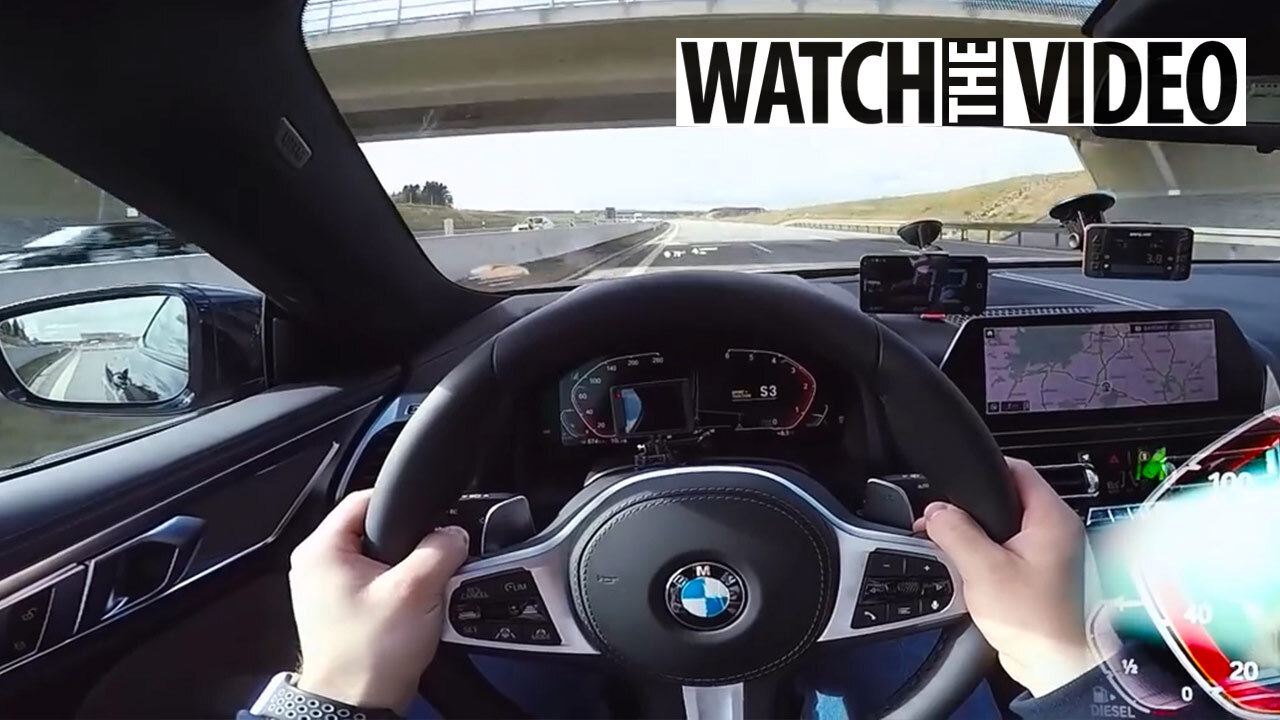
Inside Germany's deadly motorway laws with NO speed limit as drivers clock 400mph & total £200k supercars
NEED FOR SPEED
Video Player is loading.

Current Time 0:00
Duration 1:06
Loaded: 2.86%
Remaining Time 1:06
1x
- 2x
- 1.75x
- 1.5x
- 1.25x
- 1x, selected
- 0.75x
- 0.5x
Up Next
-
Phoenix shopping cart crackdown
“The only reason why I am against this law while being an admitted speed demon is that I question the driving ability of your average American driver,” added a third.
Others are expressing significant support for the law both in Arizona and nationwide.
“All highways should have an unrestricted speed zone for self-driving cars only. Like a physically-separated line,” suggested one X user.
“Moving to Arizona asap,” posted a second.
New Traffic Laws In 2026
- Louisiana’s touch law is set to finally end its grace period on January 1, 2026 after being enacted in August 2025. Drivers who are caught using their phones behind the wheel in the new year will get hit with fines of up to $300 depending on prior offenses.
- A Maryland law that saw 24/7 red-light cameras installed at nine intersections across the state will end its grace period on January 5, 2026, after which offenders will get hit with a $75 fine.
- Senate Bill 291 in Georgia will allow drivers to personalize their vehicles with a special, celebratory “America First” license plate while still ensuring compliance with the state’s license plate obstruction laws.
- California’s Combating Auto Retail Scams Act, or CARS Act, is set to go into effect in October 2026 and give consumers a host of rights when purchasing a used car, including the ability to return it no questions asked within three days of purchase.
- A second California law is taking effect on January 1, 2026, and will criminalize the use of a license plate obscuring device known as a license plate flipper. While technically outlawed since 2008, the new law will both increase existing fines for their use and outlaw their sale, now punishable by a $1,000 fine.
- Colorado is expected to pass a currently proposed law cracking down on organized street racing and speed contests, increasing punishments for both racers and organizers while permitting the use of social media posts as evidence against them.
- Connecticut is overhauling how its young drivers progress through the licensing process, now mandating some new courses and programs be taken to get their licenses. If taken online, students are now required to leave their cameras on during the courses.
“Nice. I hope they’ll succeed. Didn’t last long in Montana back in the nineties,” pointed out a third.
With Arizona’s legislative session for 2026 having begun today, Kupper’s bill has been introduced to the House’s Transportation & Infrastructure Committee.