How to carry Christmas beyond December 25
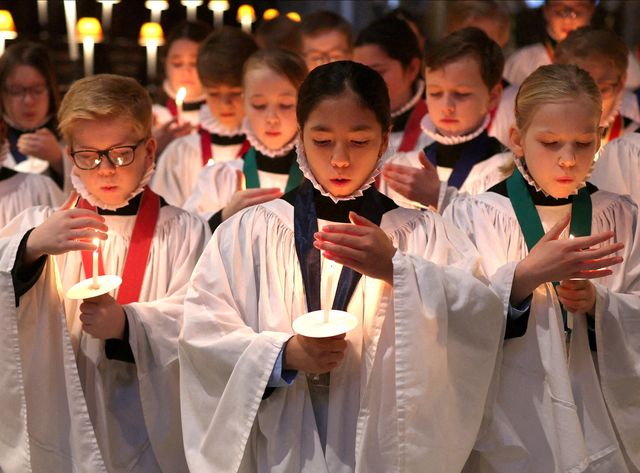
Every year, a certain euphoria envelopes the Christmas season – as many shop for unique gifts, warm up the kitchen baking cookies, and plan connections with friends and family. When the celebrations end, the spirited “high” often deflates. What’s happening?
The Science of Doing Good
Scientific studies have shown that our bodies and minds respond positively to gift-giving and helping others, which neuroscientists link to the production of certain hormones: dopamine, serotonin, and oxytocin. Called the Happiness Trifecta, they increase the production of brain chemicals that boost your mood. Giving produces all three neurotransmitters, which result in a range of health benefits.
The feel-good chemical dopamine causes a “helper’s high,” vital for motivation, mood, memory, attention, and movement. Serotonin helps with sleep, digestion, learning, and appetite. Oxytocin is often called the “love hormone.” Mothers produce it when they breastfeed their babies, strengthening the bonds with their children. Oxytocin helps reduce the stress hormone cortisol, calming the nervous system and buffering stress.
Exchanging gifts offers social benefits beyond enhancing physical and mental health. A 2020 study by the Department of Psychology at the Catholic University of Milan found “the presence of a strong relationship between gift donation and cooperation, where the role of empathy, positive emotions and rewarding mechanisms can function to reinforce and enhance the social bond, which is visible both at a behavioral and a neural level.”
The Divine Connection
Science supports what the ancients recognized thousands of years ago about the spiritual dividends of giving.
As the Hebrew Bible advised:
“The generous soul will be made rich, And he who waters will also be watered himself.” – Proverbs 11:25
“He who has a generous eye will be blessed. For he gives of his bread to the poor.” – Proverbs 22:9
It is significant that the New Testament records Jesus receiving meaningful gifts after His birth. Matthew’s gospel recounts the story of the Wise Men from the East who followed a star to locate a “newborn king.” They presented Him gold, frankincense, and myrrh. Biblical scholars have written about the prophetic significance of each. Gold symbolized Christ’s kingship; frankincense, used in temple worship, symbolized His divinity and priesthood; myrrh, a resin used for embalming, foreshadowed His death and burial.
Keeping the Kindness Going
A single act of kindness delivers a dose of happiness hormones that lasts just a few minutes, experts say. For longer-lasting health benefits, make random acts of kindness part of your daily practice – whether it’s volunteering, paying for someone’s coffee in the drive-thru, offering somebody a compliment, greeting neighbors with a smile, or helping a person in need.
Counting your blessings in a daily journal and saying a nightly prayer of gratitude are other ways to keep the Christmas “high” going year-round.
To truly carry Christmas beyond Christmas, refer to Luke 6:38, in which Jesus taught His disciples: “Give, and it will be given to you: good measure, pressed down, shaken together, and running over will be put into your bosom. For with the same measure that you use, it will be measured back to you.”