Study Links Low Vitamin C Levels to Reduced Gray Matter Volume in Older Adults – NaturalNews.com
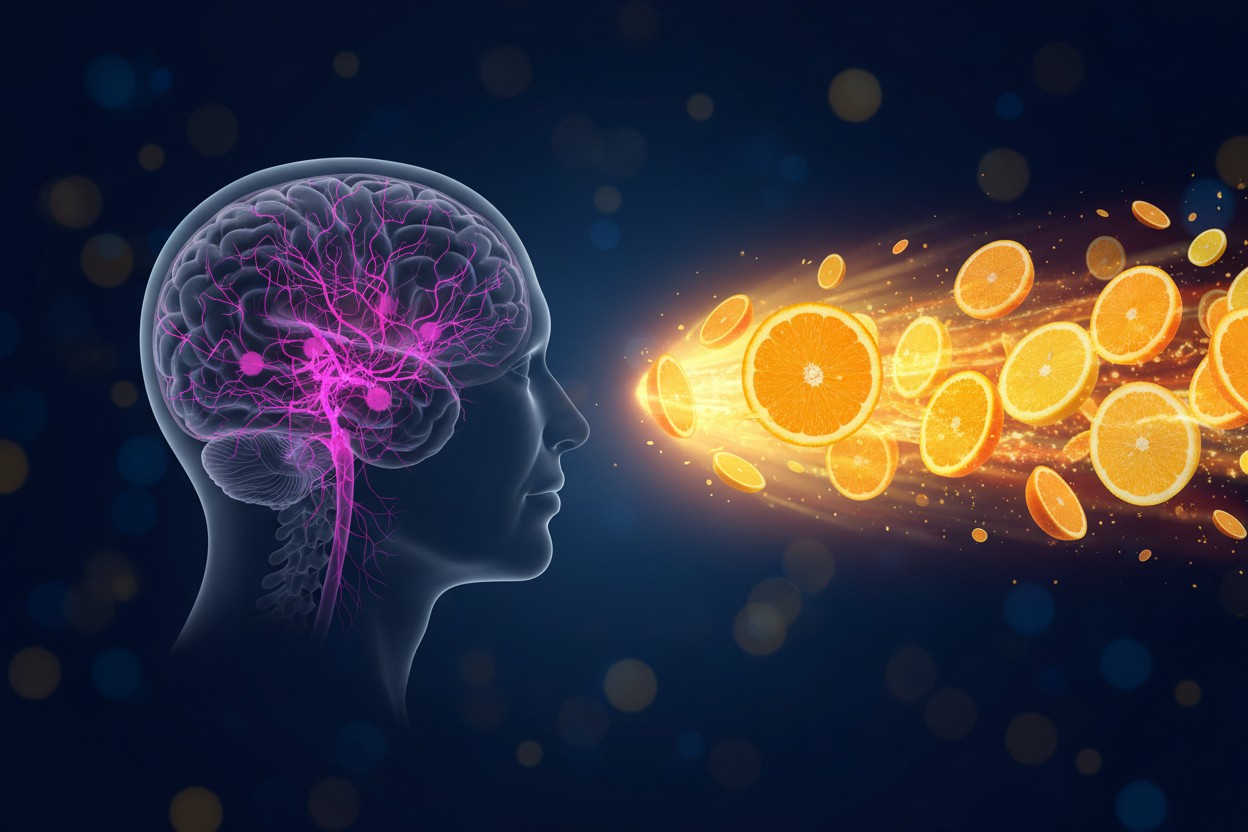 A new study published in the journal PLOS One has found a link between low blood plasma levels of vitamin C and reduced gray matter volume in the brains of older adults. The cross-sectional analysis, which involved approximately 2,000 Japanese residents aged 64 and older, also reported lower connectivity in a key brain network among participants with lower vitamin C concentrations, according to the report [1].
Gray matter is the tissue in the brain and spinal cord that supports thinking, memory, movement, and information processing [2].
Researchers analyzed blood samples drawn after an overnight fast and brain MRI scans from participants in the Iki-Iki Health Promotion Project, a community-based health study in Hirosaki City, Japan, focused on risk factors for dementia and heart disease [1].
Approximately 2,390 residents initially participated, and just over 2,000 met all criteria for the final analysis. Vitamin C concentrations were measured in blood plasma, and MRI scans were used to assess gray and white matter volume as well as connectivity within the default mode network (DMN) [8].
Study Details: Methods and Key FindingsDr. Tomohiro Shintaku, an assistant professor in the Department of Radiology at Hirosaki University, spearheaded the study. The researchers found that participants with lower plasma vitamin C levels consistently had lower gray matter volume and lower connectivity within the default mode network compared to those with higher levels [1].
The DMN is a set of brain regions that become more active when the brain is at rest. This region of the brain is involved in functions such as short-term memory, introspection, and self-referential thinking.
Vitamin C is a water-soluble antioxidant that the human body cannot produce. The concentration of vitamin C in the brain is more than twice as high as in the blood, according to the researchers, highlighting its importance for central nervous system health [1].
Previous research has suggested that certain nutrients, including vitamin C, may support healthy brain aging, and this study provides new evidence linking blood levels of vitamin C directly to structural brain metrics [2].
The findings add to the growing body of literature connecting diet to brain health, with books such as "This Is Your Brain on Food" exploring how nutrients affect mental well-being [3].
Implications and Dietary RecommendationsThe study does not prove that vitamin C directly prevents cognitive decline or that supplements will improve brain health, but it adds weight to the idea that maintaining adequate vitamin C levels may be one component of preserving brain network integrity during aging. Experts quoted in the study coverage noted that the default mode network plays an important role in memory and self-awareness, and lower connectivity in this network is a known early sign of cognitive impairment [1].
The authors emphasized that their findings are correlational and cannot establish causation [8].
Dietary sources of vitamin C are plentiful and include fruits and vegetables such as lemons, lychee, and parsley [4][5][6]. For example, lemons are rich in vitamin C and also contain antioxidant flavonoids that may support cardiovascular health [4].
Parsley is high in vitamins K, A, and C, along with minerals like calcium and iron [6]. These foods can be incorporated into a standard diet without the need for high-dose supplements.
The study authors advised that a healthy dietary pattern that includes vitamin C-rich foods, rather than immediately taking high-dose supplements, is a sensible approach based on current evidence [1].
Limitations and Next Research StepsThe study is cross-sectional, meaning it captures data at a single point in time and can only show associations, not cause-and-effect relationships. Shintaku called for longitudinal studies to observe how changes in plasma vitamin C levels over time affect brain structure and cognitive trajectories [1]. Shintaku also noted that future research should incorporate comprehensive lifestyle assessments, including body mass index (BMI) and total dietary intake, to isolate the independent contribution of vitamin C [8].
Another limitation is the homogenous study population, and all participants were older Japanese adults from one geographic region [8]. Replication in more diverse populations is needed to confirm the findings.
Additionally, randomized clinical trials could determine whether improving vitamin C status through diet or supplementation actually changes brain outcomes.
The authors also recommended that future studies include repeated vitamin C measurements, detailed dietary data, and better accounting for factors such as socioeconomic status and overall diet quality.
Conclusion: A Balanced Dietary Pattern is Key to Supporting Good HealthThe new study from Hirosaki University provides evidence that lower blood levels of vitamin C are associated with reduced gray matter volume and weaker connectivity in the default mode network among older adults. While the findings do not prove that vitamin C alone can protect against cognitive decline, they support the role of adequate nutrition in brain health during aging.
Researchers did not recommend vitamin C supplements based on this study alone, instead advising a dietary pattern that includes vitamin C-rich foods along with other brain-healthy habits such as regular exercise and social engagement. Further longitudinal and interventional studies are necessary to clarify whether maintaining optimal vitamin C levels can slow age-related brain changes.
As the global population ages, understanding how modifiable lifestyle factors like nutrition can preserve cognitive function becomes increasingly important for public health.
References: