Antidepressant use tied to sharp rise in sudden cardiac death risk, Danish study finds – NaturalNews.com
Antidepressant use tied to sharp rise in sudden cardiac death risk, Danish study finds
A landmark Danish study presented at the 2025 European Heart Rhythm Association congress has revealed a dangerous connection between long-term antidepressant use and sudden cardiac death that researchers say has been dangerously overlooked. Scientists at Rigshospitalet in Copenhagen analyzed all deaths among 4.3 million Danish residents in 2010, reviewing death certificates and autopsy reports for 45,701 deaths and 6,002 cases of sudden cardiac death. The findings, adjusted for age, sex and existing health conditions, showed that the longer people took antidepressants, the greater their risk of fatal heart events—with younger adults facing the most dramatic consequences.
How the risks climb with each year of useThe research classified antidepressant "exposure" as filling at least two prescriptions annually over a 12-year period. Among 643,999 people with prior antidepressant use, those taking the drugs for one to five years faced a 56% higher risk of sudden cardiac death compared to the general population. For those using antidepressants for six or more years, the risk more than doubled—a 2.2-times increase.
The age-specific data proved most alarming. Among adults aged 30 to 39, one to five years of antidepressant use tripled sudden cardiac death risk. After six or more years, that risk quintupled. Even older adults were not spared: those aged 50 to 59 saw their risk double after one to five years and quadruple after six or more years of use. The dose-response relationship held across every age group studied, with longer exposure consistently producing higher risks.
The flawed science behind long-term prescribingA June 2026 peer-reviewed analysis in the Australian Journal of General Practice by researchers from Adelaide University and the University of Queensland exposed a fundamental problem in antidepressant research. Most relapse prevention trials compare patients who continue medication against those who stop abruptly—a method that systematically confuses withdrawal symptoms with relapse.
Because antidepressants produce withdrawal effects including anxiety, low mood and insomnia that closely mirror depression itself, researchers found these studies have been miscounting withdrawal as relapse for decades. The authors concluded that the apparent benefits of continuing antidepressants may simply reflect suppression of withdrawal symptoms rather than genuine prevention of depression. Nearly one in seven Australians now takes antidepressants, with one-third remaining on them for more than a year, often without any medical review of whether the drug remains necessary.
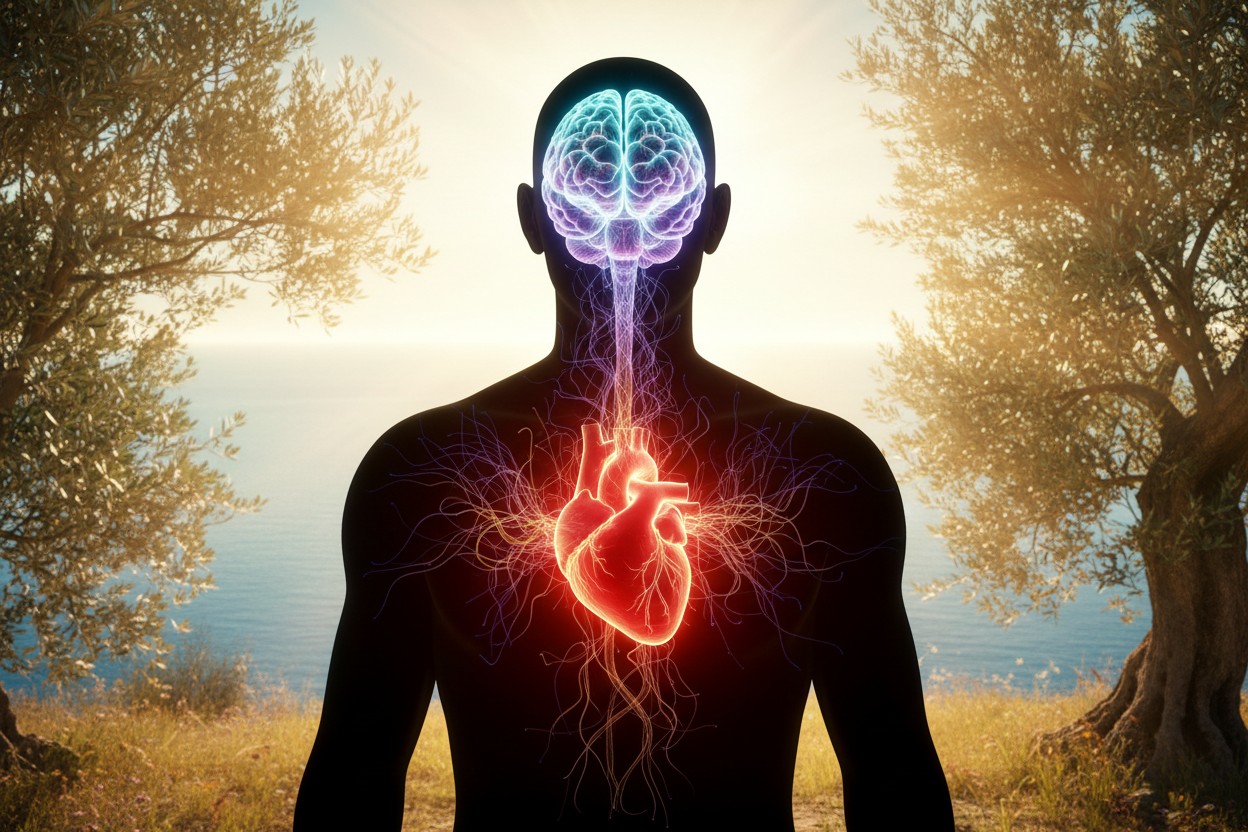
What antidepressants do to the heart and bodyThe cardiac mechanism is well documented. Antidepressants affect electrical signaling in the heart, and prolonged use can alter rhythm regulation in ways that increase vulnerability to arrhythmia and sudden cardiac death. Beyond direct cardiac effects, the drugs deplete nutrients the heart requires for stability. Magnesium, which governs cardiac electrical stability, and CoQ10, which powers energy production in heart muscle cells, are both depleted by long-term antidepressant use.
The Australian review also documented harms including cognitive impairment, emotional numbing, weight gain and sexual dysfunction affecting 50% to 80% of users. Withdrawal after long-term use can be severe and persistent, with some patients experiencing symptoms lasting months or years. One analysis of National Health Service patients in the UK found 10% reported withdrawal symptoms lasting more than 12 months.
A path forward for patients and prescribersExperts recommend that any antidepressant prescription in place for more than a year undergo formal review, with reassessments every six months. The Danish research underscores that risks accumulate silently while prescriptions renew automatically. Research consistently shows that most people recover from depression without long-term medication, with natural remission rates of 53% to 85% at 12 months.
Non-pharmacological interventions carry no cardiac risk. Omega-3 fatty acids, physical activity, sunlight exposure, gut health optimization and meaningful social connections reduce depression through mechanisms that strengthen rather than strain the heart. For those currently taking antidepressants, gradual hyperbolic tapering under medical supervision offers a safe path to reduce or discontinue use without triggering severe withdrawal. With only marginal benefits beyond placebo for mild to moderate depression and mounting evidence of serious harm, the case for rethinking long-term antidepressant use has never been stronger.
Sources for this article include: