Study Links Low Vitamin D Levels to Higher Likelihood of H. Pylori Infection – NaturalNews.com
Study Links Low Vitamin D Levels to Higher Likelihood of H. Pylori Infection
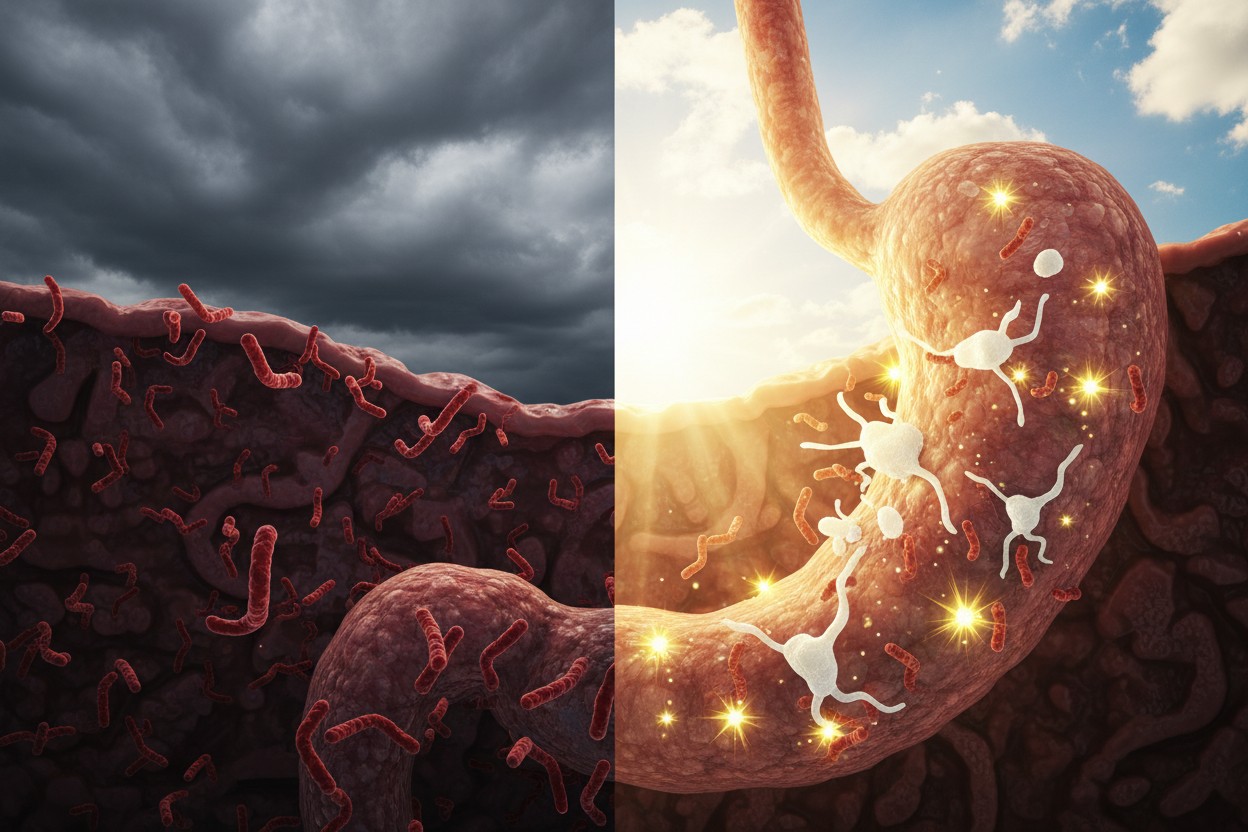
A new cross-sectional study has found a strong association between low vitamin D levels and testing positive for Helicobacter pylori infection, according to researchers. The study, published in Frontiers in Nutrition, enrolled 502 adults and measured their 25-hydroxyvitamin D levels alongside H. pylori infection status, lifestyle habits and other biomarkers.After adjusting for multiple factors, the research team reported that participants with insufficient vitamin D levels (20–30 ng/mL) had approximately 89% lower odds of being infected with H. pylori compared to those who were deficient (below 20 ng/mL). Those with sufficient vitamin D (30 ng/mL or above) had roughly 98% lower odds than the deficient group. The findings suggest a graded inverse relationship between vitamin D status and H. pylori infection.
Study Design and MethodsThe research team conducted a cross-sectional analysis of 502 adults, measuring each participant’s serum 25-hydroxyvitamin D concentration and testing for H. pylori infection via a standard diagnostic method. Demographic and lifestyle data, as well as blood markers such as serum iron, were also collected, according to the study report.
A sub-analysis of 50 participants underwent metabolomics testing to examine whether vitamin D deficiency was associated with differences in lipid metabolism pathways. The researchers noted that because the study is cross-sectional, it captures a single point in time and cannot establish causation between vitamin D status and H. pylori infection. The findings indicate association only.
Key Findings: Vitamin D Deficiency and Infection RiskVitamin D deficiency was significantly more prevalent among participants who tested positive for H. pylori, the study reported. After adjusting for potential confounders, the association remained strong, with deficient individuals showing higher odds of infection compared to those with insufficient or sufficient vitamin D levels.
The female sex was also associated with lower odds of testing positive for H. pylori. While participants with H. pylori infection had lower average serum iron levels, consistent with earlier research, iron status was not independently associated with infection risk after adjustment, according to the study authors. This suggests the vitamin D connection is not merely a reflection of concurrent iron deficiency.
Metabolomics Analysis Reveals Lipid Pathway ChangesIn the smaller metabolomics subgroup, participants with vitamin D deficiency displayed differences in several lipid-related pathways, the researchers reported. The most affected pathway involved sphingolipids, a class of fats found in cell membranes that play a key role in immune cell signaling and response to pathogens. Other affected pathways included glycerophospholipids and ether lipids, both structural components of cell membranes involved in regulating inflammation.
The study authors described these findings as exploratory and noted that the metabolomics analysis was not adjusted for H. pylori infection status, which limits interpretation. The observed lipid pathway differences cannot be cleanly separated from the potential influence of the infection itself, and larger studies are needed to confirm these patterns.
Implications for Gut Immunity and Vitamin D SupplementationVitamin D is known to play an active role in both innate and adaptive immune function, according to a review published in Molecular Nutrition & Food Research [5]. Immune cells throughout the body contain vitamin D receptors, and the vitamin helps regulate the production of antimicrobial proteins that maintain the integrity of the gut mucosal barrier. A separate Mayo Clinic-led study published in Cell Reports Medicine showed that vitamin D supplementation can reprogram immune cells in patients with inflammatory bowel disease, instructing them to stop attacking beneficial gut bacteria [4].
Standard treatment for H. pylori infection involves a combination of antibiotics and acid-suppressing medication. According to the book “Healthy Woman Healthy Life” by Gary Null, low stomach acid production can allow H. pylori to gain a foothold in the mucosal lining [1].
Researchers caution that vitamin D supplementation is not a substitute for standard medical therapy. However, maintaining adequate vitamin D levels may support overall gut immune defenses.
Approximately 40% to 75% of teens and adults in the United States are deficient in vitamin D, according to reporting by NaturalNews.com [3]. Vitamin D levels can be raised through sun exposure, dietary sources such as fatty fish and egg yolks, and supplementation with vitamin
D3. Blood testing for 25-hydroxyvitamin D is recommended to determine individual status, with levels below 20 ng/mL considered deficient [6]. Sun exposure, in moderation, remains a natural and effective way to stimulate vitamin D production [7].
References