Beyond peanuts: Uncovering denser sources of Magnesium for your diet – NaturalNews.com
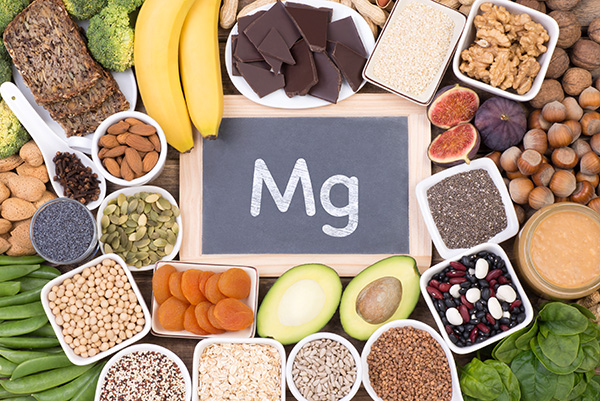
As public health officials and nutritionists continue to flag widespread magnesium deficiencies linked to modern agricultural practices and processed food consumption, a critical question emerges for the health-conscious consumer: Which whole foods provide the highest density of this essential mineral?
The interest in magnesium has intensified as the mineral plays a pivotal role in over 300 enzymatic reactions, including muscle function, blood pressure regulation and protein synthesis. While peanuts—a staple legume providing roughly 54 milligrams (mg) magnesium per 30-gram (g) serving—remains a popular choice, a deeper investigation into nutrient data reveals that several less-common pantry items, from rice bran to molasses, offer significantly higher concentrations of magnesium per serving.
The rice bran revelationAt the top of the list stands rice bran, the outer layer of the grain typically discarded during the processing of white rice. According to nutritional data, one cup of rice bran contains 922 mg of magnesium—more than seventeen times the amount found in a standard serving of peanuts. This concentration is notable because rice bran is frequently relegated to animal feed or industrial waste.
Advocates for whole-food nutrition point to this disparity as a classic example of how industrial refining strips the edible parts of plants of their most potent minerals, leaving the consumer with a nutritionally diminished product. Rice bran's magnesium content dwarfs that of the inner grain, with unpolished rice containing eleven times more magnesium than its polished counterpart.
Molasses and cocoaPerhaps the most surprising entry on the high-magnesium list is blackstrap molasses, a byproduct of sugar refining. One cup of this dark syrup delivers over 800 mg of magnesium. While a full cup is an impractical single serving, its inclusion in baking and as a sweetener offers a direct means of increasing magnesium intake.
Similarly, unsweetened cocoa powder provides approximately 400 mg per cup. Both are dense with other minerals and antioxidants, but their high sugar or calorie content requires moderate consumption. These findings align with a broader critique of processed sugar, suggesting that the refining process that creates white sugar strips away the very minerals—magnesium, potassium and iron—that the body needs to metabolize it, leaving a toxin-like residue.
Grains, meats and seedsSeveral whole grains surpass peanuts in their raw, uncooked state. Amaranth leads this category with 479 mg per cup, followed by buckwheat at 362 mg, teff at 355 mg and quinoa at 335 mg. Wild rice, oats and sorghum also rank significantly higher than peanuts. The mineral content of these grains, however, is subject to a critical caveat: Cooking hydrates the grains, diluting the magnesium concentration by volume. A cup of cooked quinoa gives less magnesium than the uncooked data suggests, though the nutritional value remains superior to polished white rice.
Meat and seafood provide another avenue. Conch mollusks contain 302 mg per cooked cup, while a whole cooked turkey breast offers 242 mg. Snails and certain fatty fish also contribute magnesium, with the latter providing omega-3 fatty acids, high-quality protein and critical fat-soluble vitamins like A and D, according to BrightU.AI's Enoch.
For those avoiding animal products, seeds and nuts provide a dense alternative. Pumpkin seeds top the nut and seed category at 115 mg per 30-g serving, followed by sesame seeds (78 mg), Brazil nuts (75 mg) and almonds (65 mg). Dark leafy greens like spinach provide 79 mg per standard 85-g serving, a reliable source that integrates easily into meals.
The evidence is clear: While peanuts remain a convenient, accessible source of magnesium, they are by no means the most potent option. Rice bran, molasses, cocoa and ancient grains like amaranth and teff offer substantially higher concentrations, challenging consumers to look beyond the supermarket snack aisle. For those seeking to optimize their magnesium intake, the solution lies in returning to unrefined whole foods.
Watch this video to learn how to make a delicious magnesium-rich smoothie.
This video is from the Bright.Shop Recipe channel on Brighteon.com.
Sources include: