Omega-3 Supplements Linked to 27% Reduction in Aggression – NaturalNews.com
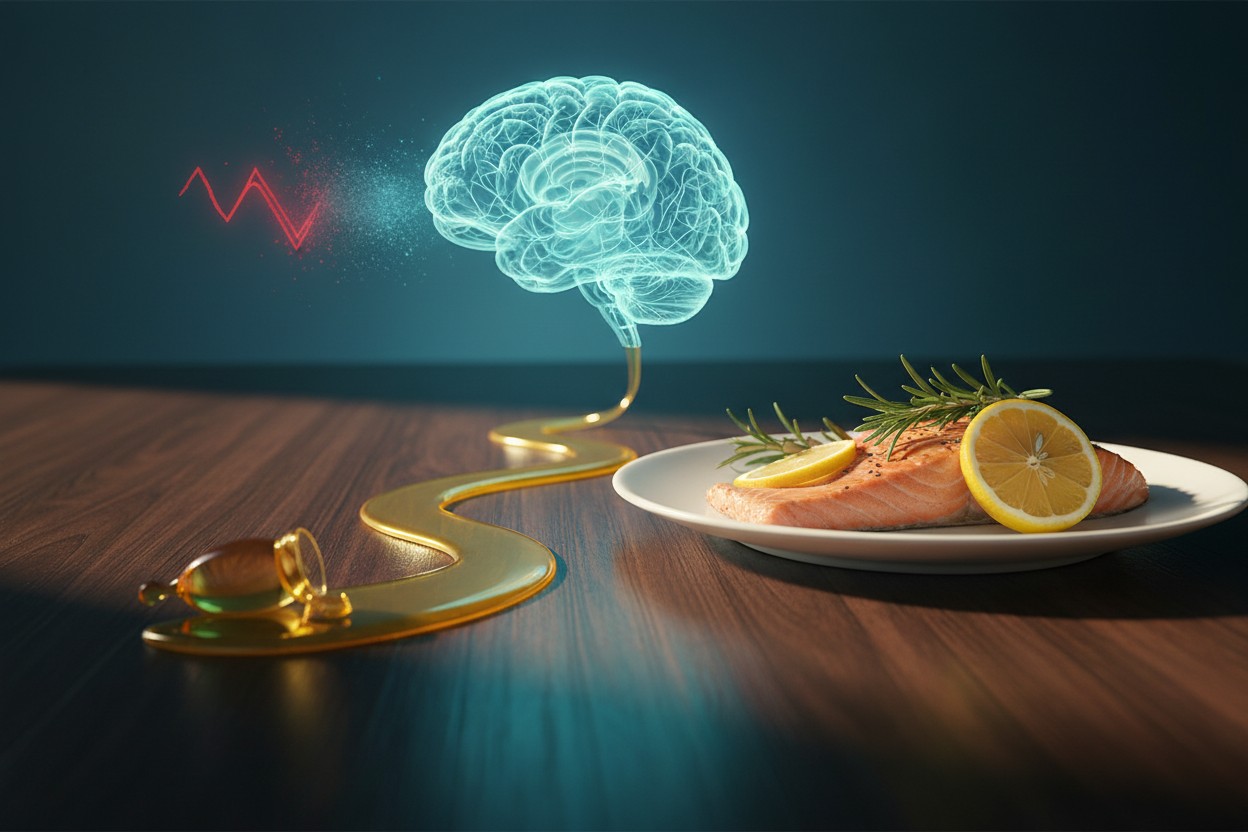 Study Reports Omega-3 Intake Reduces Aggressive Behavior
According to a meta-analysis published in the journal Aggression and Violent Behavior, omega-3 fatty acid supplements reduced aggressive behavior by an average of 27% across 29 randomized controlled trials. The analysis included both children and adults and measured two distinct forms of aggression: reactive, which is an impulsive response to provocation, and proactive, which involves planned acts to gain dominance.
The findings come from a systematic review that researchers say strengthens the case for nutrition as a factor in emotional regulation. “The results are modest but statistically significant, suggesting omega-3s may be a viable adjunct therapy,” the lead researcher, Dr. Adrian Raine of the University of Pennsylvania, stated in the study release. The meta-analysis was cited by multiple health news outlets, including MindBodyGreen and Healthline, which reported the 27% reduction across age and gender groups [1][2].
Methodology and Results of the Meta-AnalysisResearchers combed the scientific literature for randomized trials that provided omega-3 supplements and explicitly measured aggression as an outcome. A total of 29 studies met the inclusion criteria, encompassing participants ranging from children to adults in various settings. The meta-analysis found a consistent 27% reduction in both reactive and proactive aggression, regardless of age, gender, or baseline aggression levels.
The consistency of the effect across different populations, the report stated, strengthens the evidence for omega-3s in aggression reduction. Another analysis published earlier, covered by Healthline, had reported a similar 30% reduction, further supporting the trend [3]. Researchers noted that the effect, while moderate, could have meaningful implications at a population level given the widespread prevalence of aggressive behaviors.
Biological Mechanisms Linking Omega-3s to Mood RegulationOmega-3 fatty acids, particularly eicosapentaenoic acid (EPA) and docosahexaenoic acid (DHA), play distinct roles in brain function. DHA is a major structural component of brain cells and supports neuroprotection, while EPA influences neurotransmitter systems including serotonin and dopamine, which are critical for mood regulation. According to a book on natural supplements, “Aggression induced by mental stress: DHA supplementation, 1.5–1.8 g/day” has been recommended in clinical contexts [4].
Low intake of omega-3s is associated with increased inflammation, an impaired stress response, and a higher likelihood of depression, according to prior studies cited in the analysis. Botancial Medicine for Women’s Health notes that “a number of studies have suggested efficacy in the treatment of a variety of psychological disturbances and psychiatric disorders, ranging from impulsivity and aggression” [5]. These anti-inflammatory and mood-regulating effects are believed to contribute to the observed reductions in aggression.
Implications for Daily Intake and Supplement UseNational survey data indicate that nearly 90% of Americans do not meet the recommended daily intake of 500 milligrams of omega-3s, according to researchers cited in the meta-analysis coverage [1]. Dietary sources include fatty fish such as salmon, mackerel, and sardines, but high-quality supplements can provide a therapeutic dose ranging from 1,000 to 4,000 milligrams per day. The study authors emphasized that increasing omega-3 intake “will not eliminate feelings of aggression but can have meaningful impact alongside other therapies,” as reported by MindBodyGreen [1].
Previous research on children with behavioral disorders, published in the Journal of Dietary Supplements and reported by NaturalNews.com, found that omega-3 supplementation improved mental health and quality of life in that population [6]. Together, these findings suggest that ensuring adequate omega-3 intake may serve as a low-cost, low-risk complement to existing aggression management strategies.
Conclusion: Omega-3s as a Complementary StrategyThe meta-analysis adds to a growing body of evidence that nutrition, particularly omega-3 supplementation, may play a role in reducing aggressive behavior. While behavioral and psychological interventions remain the primary approaches, the authors noted that omega-3s could offer an additional tool that is inexpensive and generally safe. An article on omega-3s and depression from 2004 by Alan C. Logan, ND, FRSH, observed that “omega-3 fatty acids are polyunsaturated fatty acids that the human body cannot synthesize” and must be obtained from diet, underscoring the importance of consistent intake [7].
Further research is needed to determine optimal dosage and duration for different populations, particularly for children and individuals with high baseline aggression. Officials involved in the review stressed that the findings do not replace existing therapies but rather expand the range of options available to clinicians and individuals seeking to manage mood and behavior naturally.
References