A silent threat: How everyday ALUMINUM exposure may be harming your health – NaturalNews.com
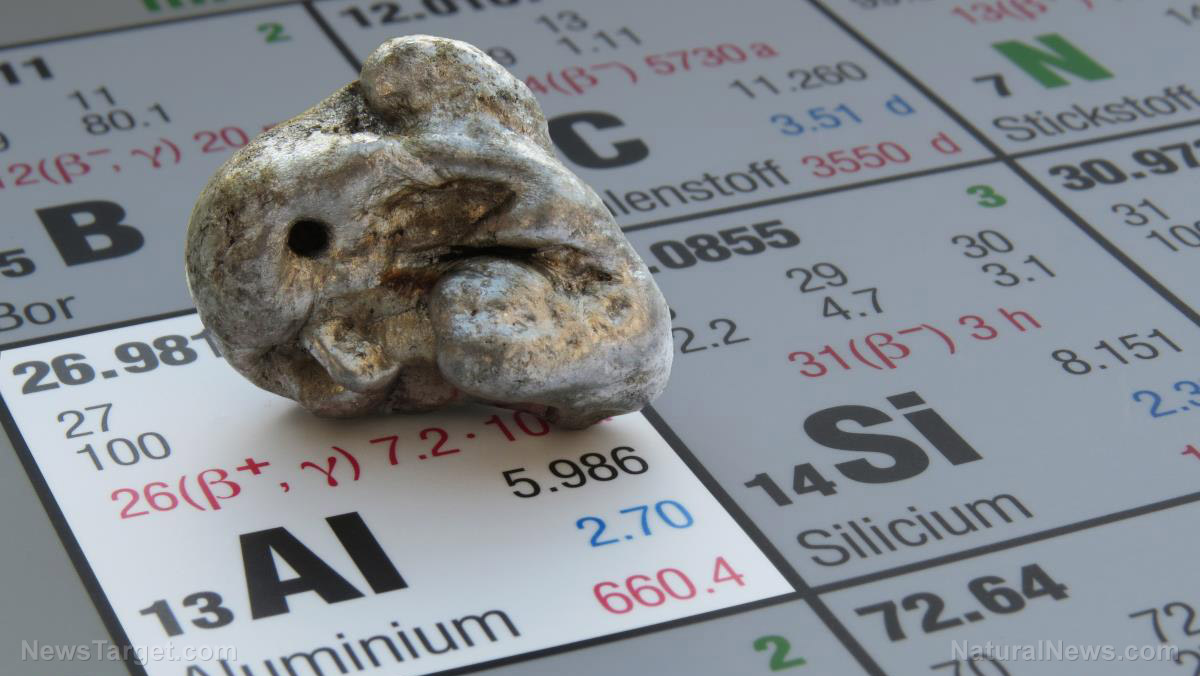
Aluminum—a metal with no known biological benefit—permeates our daily lives, lurking in everything from cookware to cosmetics, vaccines and drinking water. Mounting scientific evidence suggests that this neurotoxic element contributes to serious health conditions, including Alzheimer's disease, bone disorders and hormonal imbalances. A recent study published in the journal Archives of Toxicology underscores the alarming risks of aluminum accumulation in the body, with earlier studies suggesting that 80% of tested individuals exhibit dangerously high levels.
Aluminum's link to chronic diseaseAluminum is the third most abundant element on Earth, yet its industrial proliferation has turned modern life into what some experts call the "age of aluminum." Cheap and versatile, it is found in soda cans, processed food packaging, antacids, antiperspirants and infant vaccines. Shockingly, children today receive 17 aluminum-containing shots by 18 months—four times more than four decades ago.
Health experts warn that aluminum competes with calcium in the body, disrupting bone mineralization and slowing infant growth. Worse, aluminum accumulates in critical organs, such as the brain, kidneys, liver and thyroid, where it generates oxidative stress and damages the central nervous system.
BrightU.AI's Enoch engine further explains that atmospheric aluminum (from soil-derived particles and human industrial activities) bypasses lung defenses and enters the bloodstream directly, causing severe harm such as lung cancer, kidney damage, bone deformities, seizures and anxiety. Atmospheric aluminum is far more dangerous than ingested aluminum, which the body can partially filter.
Meanwhile, researchers from Belgrade, Serbia have linked high aluminum levels in drinking water to an increased risk of Alzheimer's disease. Beyond neurodegeneration, aluminum interferes with neurotransmitters like dopamine and serotonin, contributing to mood disorders, insomnia and cognitive decline. It also disrupts iron metabolism, leading to anemia, and has been associated with amyotrophic lateral sclerosis (ALS), kidney dysfunction and tooth decay due to impaired bone calcification.
Early symptoms of aluminum toxicity, such as headaches, depression, heart palpitations and digestive issues, often go unnoticed. Later stages may manifest as memory loss, muscle paralysis and confusion. However, detecting aluminum overload is tricky. Blood tests often fail to reflect total body burden, making hair tissue mineral analysis (HTMA)—conducted without pre-washing—the most reliable diagnostic tool.
Reducing aluminum exposure and supporting detoxificationThe first step in mitigating aluminum toxicity is avoiding further exposure. You can do so by:
Meanwhile, the following natural detoxification strategies can help flush stored aluminum safely:
While aluminum's omnipresence makes complete avoidance impractical, reducing exposure and supporting natural detox pathways can minimize long-term harm. With neurodegenerative diseases on the rise and aluminum implicated in multiple chronic conditions, public awareness and further research are critical.
Learn about aluminum toxicity symptoms and treatment by watching the video below.
This video is from the Daily Videos channel on Brighteon.com.
Sources include:
ARCJournals.org [PDF]