Silo Season 3 Isn’t Being Review Bombed, It’s Boring, And Graham Yost’s Own Quotes Prove He Knows It

Apple TV’s Silo returned for its third season on July 3 with a perfect 100% critic score on Rotten Tomatoes, its best ever. The audience score sits at 57-59%, the worst of the show’s run, a nearly 40-point gap that’s the widest the series has ever produced between critics and viewers. Some outlets have started calling that gap review bombing. Showrunner Graham Yost’s own comments about what he changed and why point to a simpler explanation.
The core problem traces back to a structural decision Yost made before a single Season 3 script was written. In Hugh Howey’s novels, Juliette Nichols does not appear in Shift, the second book, until its final pages. The book hands the middle of the trilogy almost entirely to different characters and a different time period. Yost has been clear for over a year that the show would not do that. CBR reported Yost confirmed Silo would keep Juliette as a continuous presence through Season 3 rather than sideline her the way the books do, which meant inventing enough new material to justify her expanded screen time across a season the source novels never gave her. That’s the root of what’s dragging: the “Before Times” storyline following Daniel Keene and journalist Helen Drew three hundred years earlier isn’t adapted from a Juliette-centered narrative in the books, because no such narrative exists there. It’s original material built to run parallel to her, and three episodes in, it plays like a separate political thriller grafted onto Silo rather than something organic to it.
Yost has never hidden how loosely the show treats its source material. Ahead of Season 2, he told The Hollywood Reporter he tells people not to read the books yet, joking he says it “sitting right next to author Hugh Howey,” and confirmed he’d built whole episodes out of single sentences in Wool. That approach worked when the changes served Juliette’s story, like recasting the Mechanical worker Walker as a woman, played by Harriet Walter, specifically so Juliette would have a maternal figure to lean on, a change Yost has said was about giving her someone to turn to in a world short on mentors. Season 3’s changes serve a different goal: stretching enough plot across two timelines to keep a character present who the books themselves take out of the middle of the story.
Layered on top of that structural problem is a Juliette storyline that opens on a memory-loss plot device critics and audiences flagged as a warning sign from the trailers alone. Three episodes in, it still hasn’t produced meaningful movement, and ScreenRant’s coverage of the poor audience score numbers confirms this season represents the widest critic-audience split the show has ever recorded. Some coverage has reached for a different explanation for that gap. Collider ran a piece framing the drop as “mass review bombing,” drawing a comparison to prior campaigns against shows like The Acolyte, and pointing to one bad-faith review as evidence of a coordinated pattern. However, this does not have the widespread cultural knowledge that The Acolyte has. Most people have no idea Silo even exists. The review bomb framing skips past what tens of thousands of raters are actually saying: two storylines that haven’t earned their runtime yet, built around a structural choice made before the season was written.
Yost claimed the change was due to the fact the lead was not even really in the book in an interview: “The heaviest lifting we had to do was in this season, and then to an extent, in the final season. The first two seasons were the first book. The first half of the first book gets Juliette sent out to clean, and the second half is her in Silo 17 and the rebellion in 18. And so we followed that roughly. We did a bunch of switcheroos and stuff, but basically that. In Shift, the second book, Juliette doesn’t appear until the final page, and I said, ‘Hugh, we’re not doing that.’ And he’s like, ‘Cool. I wanna see what you do.’”
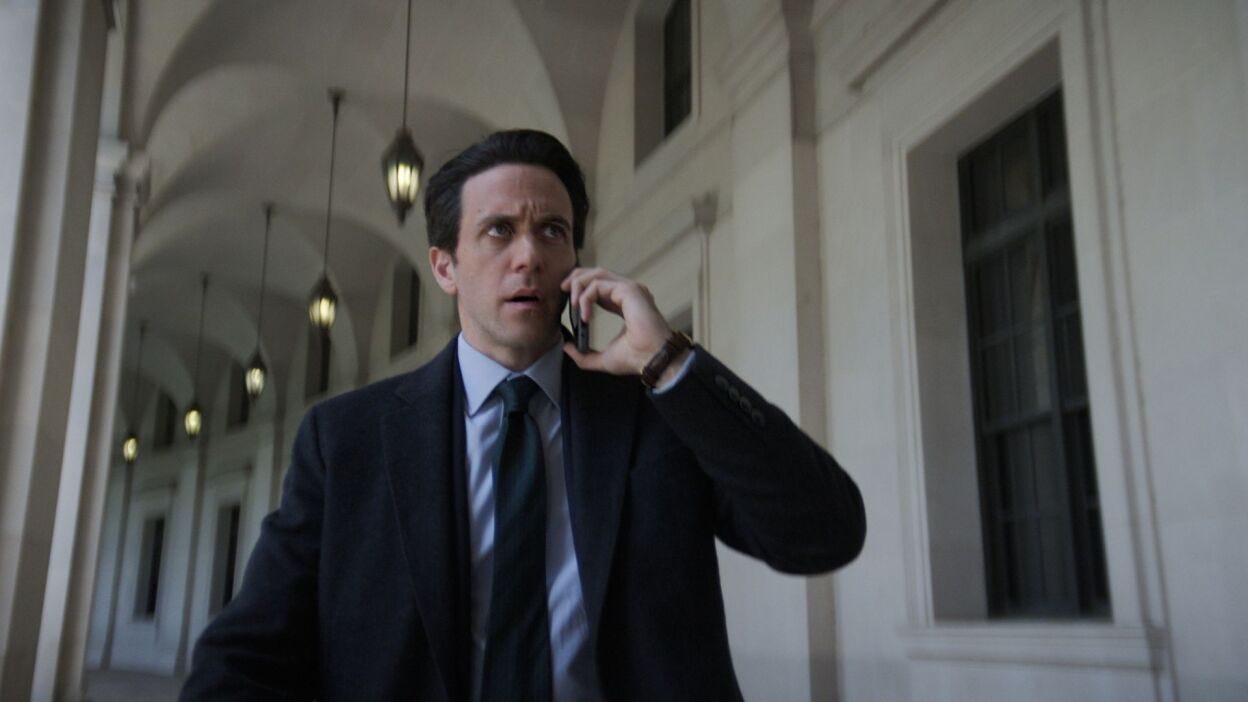
One change getting outsized attention in the coverage is smaller than it looks. Yost renamed the books’ Congressman Donald Keene to Daniel Keene, telling Radio Times plainly: “I didn’t want to name a character Donald in this world, either because I believe in that Donald or not believe [in him]. It’s recognisable, it’s too much of a hot button. Also I love the Elton John song Daniel!” Star Ashley Zukerman added that the change also gave the writers room to build the character independently of the books, since the source material’s version “could not be translated to screen the same way.” That’s a defensible, even sensible call, keeping a fictional political thriller from becoming an accidental real-world punchline every time a character’s name comes up. It isn’t why the season is struggling. The pacing is.
Silo’s first two seasons built a real mystery around a lead worth following. Season 3 spent its structure keeping that lead on screen longer than the books ever did, and filled the gap with a storyline that hasn’t justified its own existence yet. Is a 100% critic score measuring the show that aired, or the ambition of the show Apple pitched critics before it aired?
First contact with the Oridians was supposed to be humanity’s proudest moment. Instead, their chief engineer is dead, their ship is sabotaged, and an ancient alien technology is stealing souls. Book one of the Valiant Frontiers series delivers exploration, mystery, and the kind of crew you’ll want to follow across the galaxy. Read The Soul Catcher on Amazon and start the adventure.