MAHA Must Prepare for the Future of Medicine - The Daily Signal
This week, the Food and Drug Administration reviewed whether certain peptide therapies should be more widely available through compounding pharmacies.
Some of the top names in longevity and health—including Brigham Buhler and Gary Brecka—arrived in Washington to weigh in on the latest Make America Healthy Again hot-button issue, raising questions about safety, innovation, and access.
The review comes amid growing interest in peptide treatments and concerns that patients seeking these therapies may turn to sources outside traditional medical oversight.
This FDA review is about more than peptides. It is an early glimpse into the broader questions and debates that will guide the future of American healthcare.
From GLP-1 drugs, like Ozempic and Wegovy, to other peptide therapies aimed at influencing metabolism, inflammation, and tissue repair, scientists are developing new ways to harness the body’s own signaling systems.
Peptides are short chains of amino acids that naturally regulate many biological processes, making them especially promising candidates for treating disease by restoring normal physiological function. These therapies may offer genuine hope for improving health. But they also raise a question that the MAHA movement will eventually have to confront: What is medicine’s ultimate purpose?
TRENDING ARTICLESFor decades, Americans have been told that the solution to rising health problems is simply more medical intervention. Despite extraordinary advances in technology and enormous increases in health care spending, chronic diseases such as obesity, diabetes, and cardiovascular disease continue to plague our country.
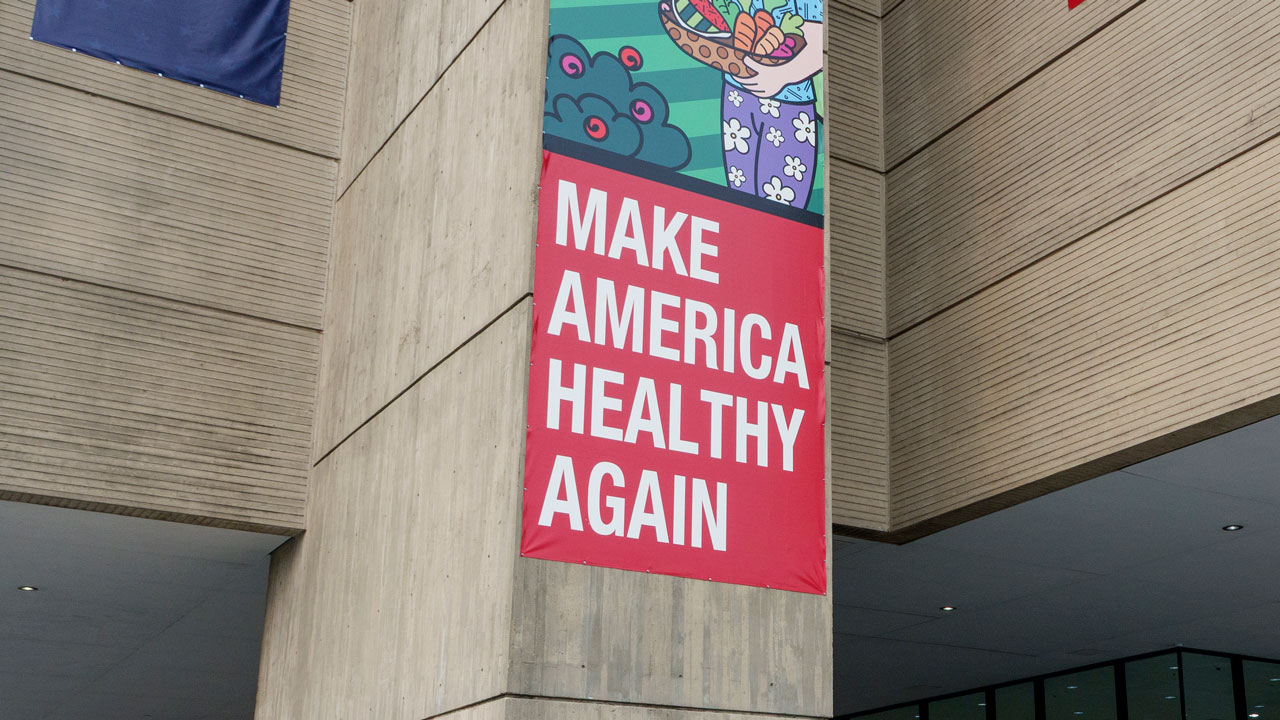
MAHA challenges this approach by asking why Americans are unhealthy in the first place.
The movement directs attention toward prevention, nutrition, environmental exposures, and the incentives shaping America’s food and health care systems.
This focus is an important correction to a medical system that too often waits until people are sick before acting. But the future of health debates extends beyond nutrition and exercise. It concerns how America approaches technologies that can fundamentally alter how the human body functions.
Peptides are only one part of a revolution in new medical technology. Artificial intelligence is transforming medical decision-making and drug development.
Gene editing is creating new possibilities for treating genetic disorders while raising questions about the limits of human intervention. Reproductive technologies are altering the way many Americans approach fertility and procreation. These technologies challenge the traditional purpose of medicine to heal illness and open the door to an expansion of the human body’s natural capabilities.
Not all technological advancements should induce anxiety or fear. Medical innovation is an essential part of curing disease and saving lives. However, while science may be able to tell us what is possible, it does not tell us what we ought to do or where limits, if any, should be placed on medical technologies.
True health is about more than living longer or maximizing human performance. It also requires respect for the dignity of the human body, its natural limits, and the cultivation of virtues such as discipline and moderation.
The MAHA movement has already challenged the trend of overmedicalization.
Focusing on diet, lifestyle, and environmental conditions, MAHA recognizes that good health depends on respecting the body’s natural functions and holistic mechanisms. The movement now has an opportunity to apply this same insight to the future of medicine by considering the ethical questions raised by emerging technologies.
The growing culture of biohacking, health optimization, and the pursuit of radical life extension reflects an understandable desire for greater health and vitality. But it also risks treating the human body as an engineering project, merely clumps of cells waiting to be manipulated and transformed. Medicine should certainly strive to help people live longer, healthier lives, but it must be a means to higher goods, rather than an end itself.
Conservatives have long recognized that technology and innovation, while powerful forces for economic growth and national strength, require moral discernment. Biotechnology is no exception. The future of medicine should be guided not only by what is possible, but also by what benefits the human soul.
As America enters a new era of biotechnology, policymakers should ensure that emerging technologies are evaluated not only for safety and effectiveness, but also for whether they advance the true goals of medicine: healing disease, restoring health, and promoting genuine human flourishing.