Florida's Bold Move Against Media Blacklists and NewsGuard
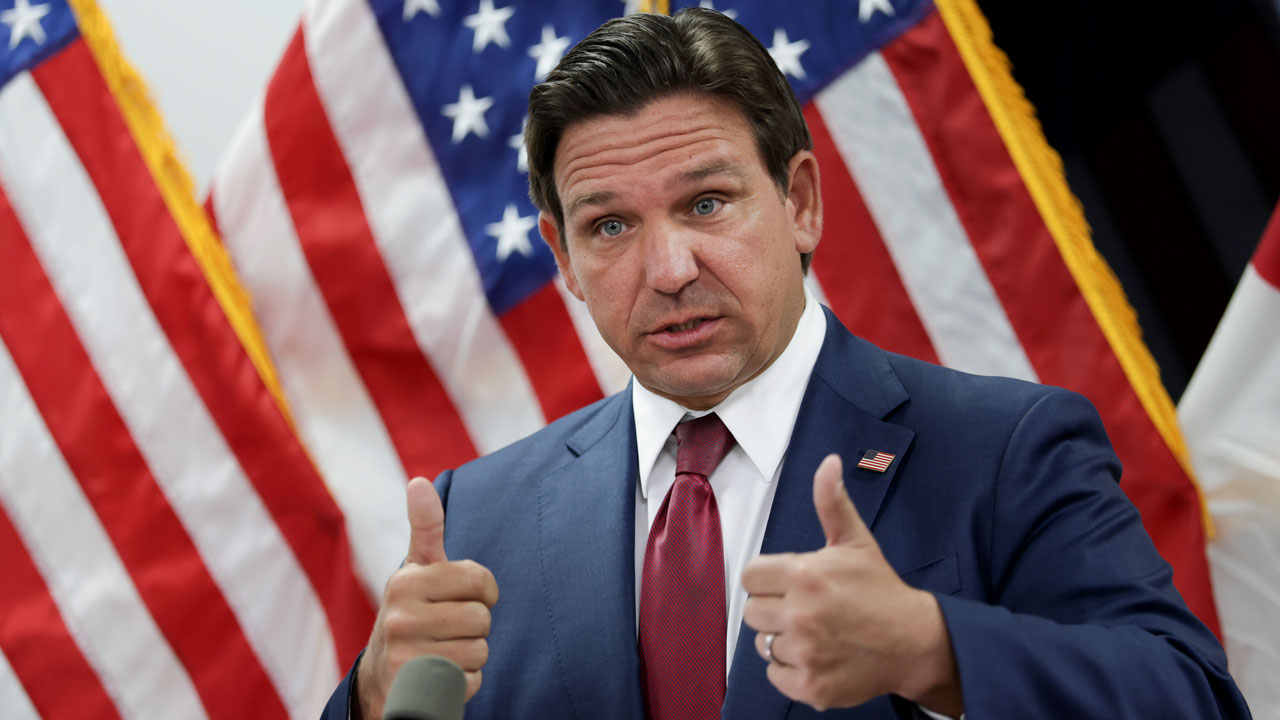
Florida Gov. Ron DeSantis put his signature on the state’s new budget last week and tucked inside is a provision worth celebrating.
State agencies in Florida are now barred, for a second straight year, from hiring advertising firms that use “misinformation” ratings to decide which news outlets deserve ad dollars and which don’t.
I’ll be upfront with you: I’m a co-founder of the Independent Media Council, the coalition that has pushed hard for this policy, precisely because I’ve seen how media blacklists are used against conservative outlets like the Daily Signal.
How NewsGuard Monitors MediaMy enthusiasm for such a provision comes not only from my personal experience, but also because the underlying problem is real and getting worse with the growing use of AI agents.
Outfits like NewsGuard, Ad Fontes Media, and the Global Disinformation Index built businesses around slapping scores on news organizations—supposedly measuring “reliability” or “brand safety.” Their scoring system functions as a censorship mechanism, giving advertising firms an excuse to spend money with left-leaning outlets while starving conservative and independent publishers of revenue.
The people running these rating operations aren’t neutral referees. The Media Research Center has published multiple studies documenting that NewsGuard’s scores consistently favor left-of-center outlets over their conservative counterparts.
TRENDING ARTICLESThe political hacks from @NewsGuardRating claim they’ll help you decide what news outlets you can trust. In reality, you shouldn’t trust anything from this overtly biased organization.
Thanks to @theMRC, we now have proof of NewsGuard’s left-wing leanings. https://t.co/EYem5eaHIR
— Rob Bluey (@RobertBluey) January 6, 2023
One such analysis found NewsGuard awarded left-leaning outlets an average score of 91 out of 100, compared to just 66 for conservative outlets. An organization with that kind of lopsided grading has no business telling anyone which news outlets to trust.
It’s precisely what we’ve experienced at the Daily Signal, and it’s why I’m grateful to DeSantis for signing a budget that puts an end to this practice.
Momentum Is Building Against BlacklistsFlorida lawmakers have given other states a model to follow. For the second straight year, those lawmakers wrote the anti-censorship provision into the state budget, making Florida one of the first government entities to acknowledge that taxpayer money shouldn’t be used to blacklist media outlets.
“By signing this provision for a second year, Florida is sending a clear message that taxpayer-funded advertising should be focused on reaching the broadest possible audience, not filtered through politically motivated media blacklist systems,” Christine Czernejewski, spokesperson for the Independent Media Council, said in a statement.
The ripple effects are already visible beyond Tallahassee.
Earlier this year, West Virginia passed its own First Amendment Preservation Act to guard against the same kind of government-enabled viewpoint discrimination. Congress has included similar language in the National Defense Authorization Act, cutting off the Pentagon’s ability to funnel huge sums of ad spending through firms that use these biased scoring systems.
Under the direction of Federal Trade Commission Chairman Andrew N. Ferguson, the FTC announced in April that it was taking action against the advertising industry’s practices, including how merger reviews and enforcement actions touch on viewpoint-based discrimination.
These steps collectively point to a positive trend after years of complaints by conservative media outlets.
A Fight With National ConsequencesThe truth is that a rigged system doesn’t just hurt conservative media; it harms every publisher and creator who isn’t part of the legacy media establishment that these rating agencies seem to favor.
More states should now follow Florida’s example—and the IMC is intent on making that a reality.
“What began as a first-in-the-nation effort is increasingly becoming a national movement,” Czernejewski said. “Policymakers across the country are recognizing that government advertising dollars should not be used to subsidize censorship or reward organizations that discriminate based on viewpoint.”
I’ve seen firsthand what it costs when these blacklists go unchecked—and I’ve also seen what’s possible when lawmakers finally decide taxpayer dollars shouldn’t be part of the problem.
The rest of the country is watching—it’s time to act.