Americans Answer the Call to Free Pakistani Christians From Generational Bondage
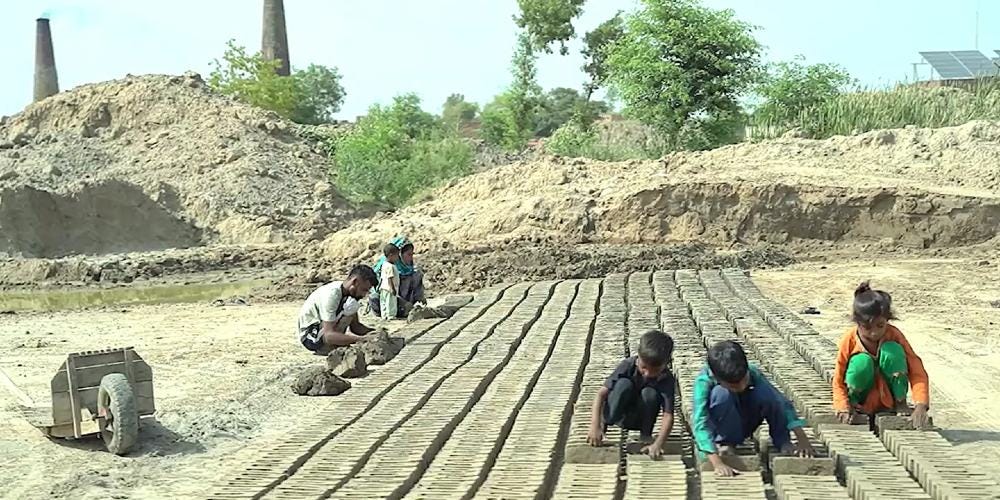
In the sweltering brick kilns of Pakistan, entire Christian families labor under a system of debt bondage that spans generations. Children flip bricks under the relentless sun while their parents toil to repay loans that never seem to diminish. This is not ancient history but a present-day reality for hundreds of thousands of believers in a nation where Christians face systemic marginalization.
Two American Christians, moved by faith and compassion, have stepped into this darkness. Aaron Hutchings and Emmanuel Hernandez are not content to merely observe the suffering. They have traveled to Pakistan, paid off crippling debts, and provided families with the tools to build new lives. Their work reveals both the depth of human cruelty and the power of sacrificial love in action.
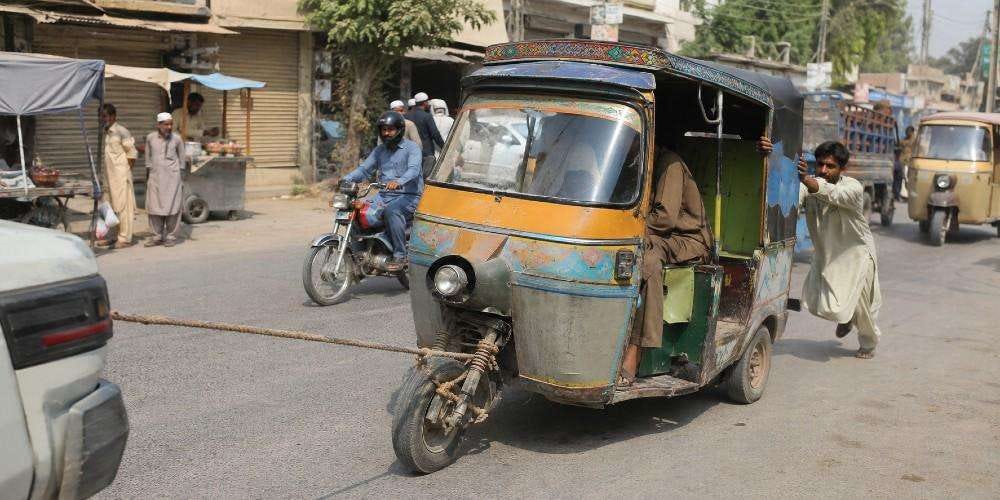
Hernandez founded Project Jubilee in January 2025 after witnessing the hopelessness firsthand. What began as a commitment to free one family per year has, by God’s grace, resulted in the liberation of approximately 300 Pakistanis from this modern form of slavery. The average cost to free and establish one family exceeds $8,500, covering not only the debt but also legal paperwork, initial housing, food, education for children, and a tuk tuk for income generation.
Hutchings, a retired IT professional from Idaho, joined the mission after connecting with Hernandez. On his first trip in January, he freed two families within hours of arriving at a brick factory. The impact was immediate and profound. He returned in May to liberate ten more families, his efforts going viral and inspiring further donations through his Intentional Faith Foundation.
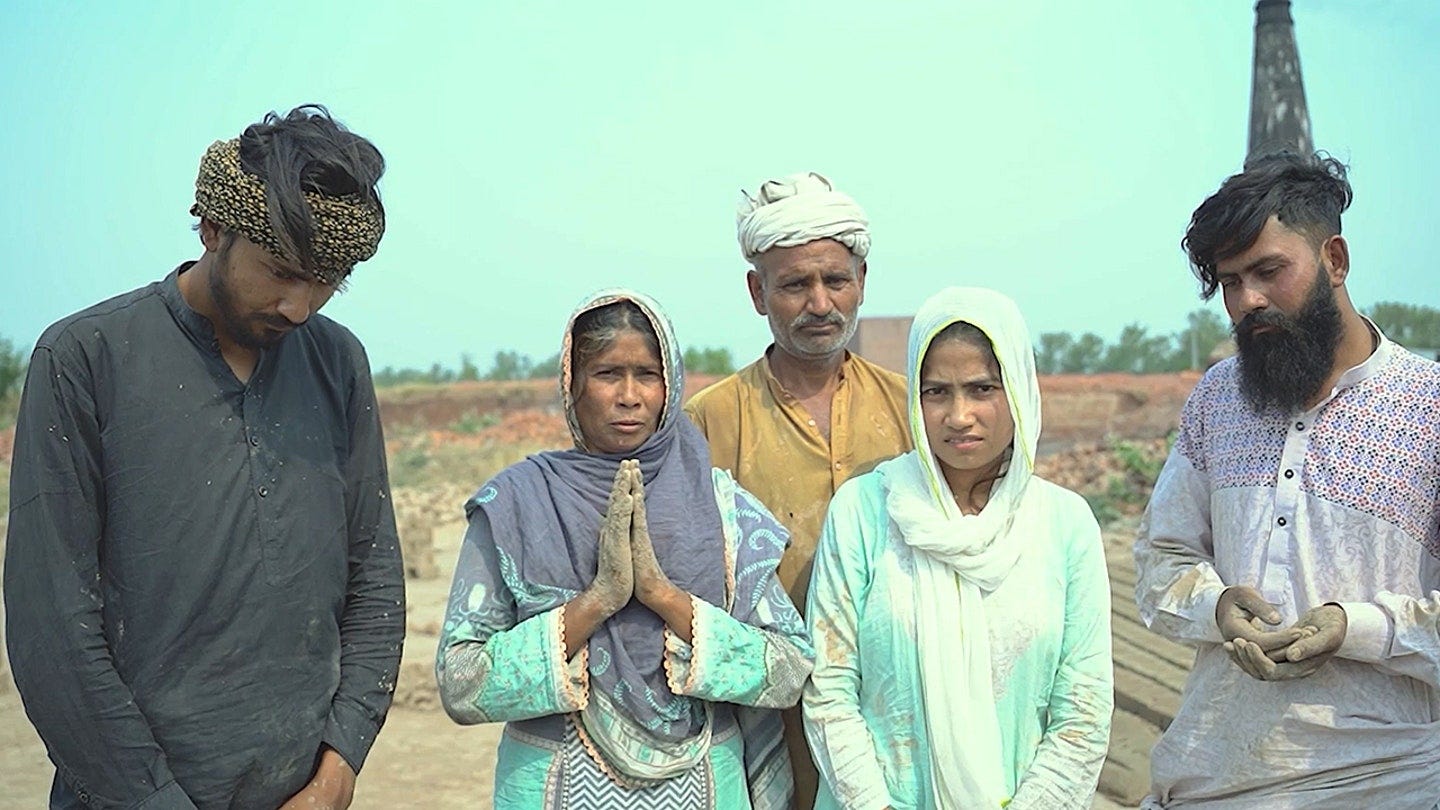
These men describe the emotional weight of the work. Children, previously resigned to a lifetime of brick-making, now face questions about their dreams and futures. Families embrace freedom after generations of inherited debt, often tracing back over a century. Factory owners sometimes resist, imposing limits or bans on further rescues, yet the cycle of exploitation is being broken one family at a time.
Pakistan’s Christian community, numbering around 3.3 million according to recent census data, represents a tiny fraction of the population yet bears a disproportionate burden. Estimates suggest up to one million Christians may be trapped in bonded labor, often comprising a significant portion of the brick kiln workforce. Extreme poverty drives families to accept advance loans for emergencies, only to find repayment structures designed to ensure perpetual servitude.
Though Pakistan outlawed bonded labor in 1992, enforcement remains woefully inadequate. Discrimination compounds the problem, with Christians often treated as second-class citizens. Landlords may refuse them housing, and broader persecution—including blasphemy accusations and mob violence—creates an environment of constant vulnerability.
International religious freedom monitors have repeatedly highlighted escalating attacks on minorities in the country.
Project Jubilee focuses primarily on Christian families, who make up the vast majority of those they rescue, precisely because of their marginalized status. Yet the mission extends help regardless of background. The goal is holistic restoration: breaking the debt cycle while equipping families for self-sufficiency and connecting them with local Christian ministers for spiritual support.
This work echoes the biblical mandate. As Isaiah 58:6 declares, “Is not this the fast that I have chosen? to loose the bands of wickedness, to undo the heavy burdens, and to let the oppressed go free, and that ye break every yoke?”
Hutchings reflects on the divine orchestration behind these efforts. What seemed like random connections led to transformative impact, leaving participants feeling they received more than they gave through witnessing God’s hand at work. In a world quick to highlight institutional failures and religious persecution, stories like these remind us of the quiet heroism born from personal obedience to Christ.
The scale of the problem remains vast, with millions potentially affected across Pakistan’s estimated 20,000 brick kilns. Yet each family freed represents generations redeemed from despair. As more believers engage—through prayer, giving, or direct action—the light of freedom and the Gospel advances against entrenched darkness.
These American efforts challenge comfortable Christianity in the West. They demonstrate that faith without works is dead, calling believers everywhere to consider how they might participate in setting captives free, both physically and spiritually. In Pakistan’s kilns and beyond, the battle against modern slavery continues, but hope burns brighter with every debt paid and every family restored.
Be sure to check constantly at our Christian, conservative news aggregator, jdrucker.com, to get hand-curated links to important stories across the net.