Porsche Wants To Build Fewer Cars And Make More Money
Key Points
- Porsche’s 2025 profits collapsed by 92.7% despite record U.S. sales.
- Layoffs and reduced production are planned; CEO: “Porsche must be able to make money even with fewer cars.”
- Future recovery hinges on upcoming high-margin SUVs and cost-saving partnerships with Audi.
Coming Off a Difficult Year
Despite record sales in the U.S., Porsche had a shocking 2025. Granted, sales were down by 10% worldwide, which doesn’t necessarily trip up alarm bells immediately. What was painful for Stuttgart last year was the profits collapsing by a whopping 92%. If we’re being exact, it’s 92.7% – practically a wipeout in this case.
The reason? The reversal of several EV projects proved costly for the brand, and this has been compounded by the ongoing sales slump in China. On top of that, tariffs ate a good chunk of what could have been profits, and those record sales didn’t translate to more cash flow.
Cause and Effect
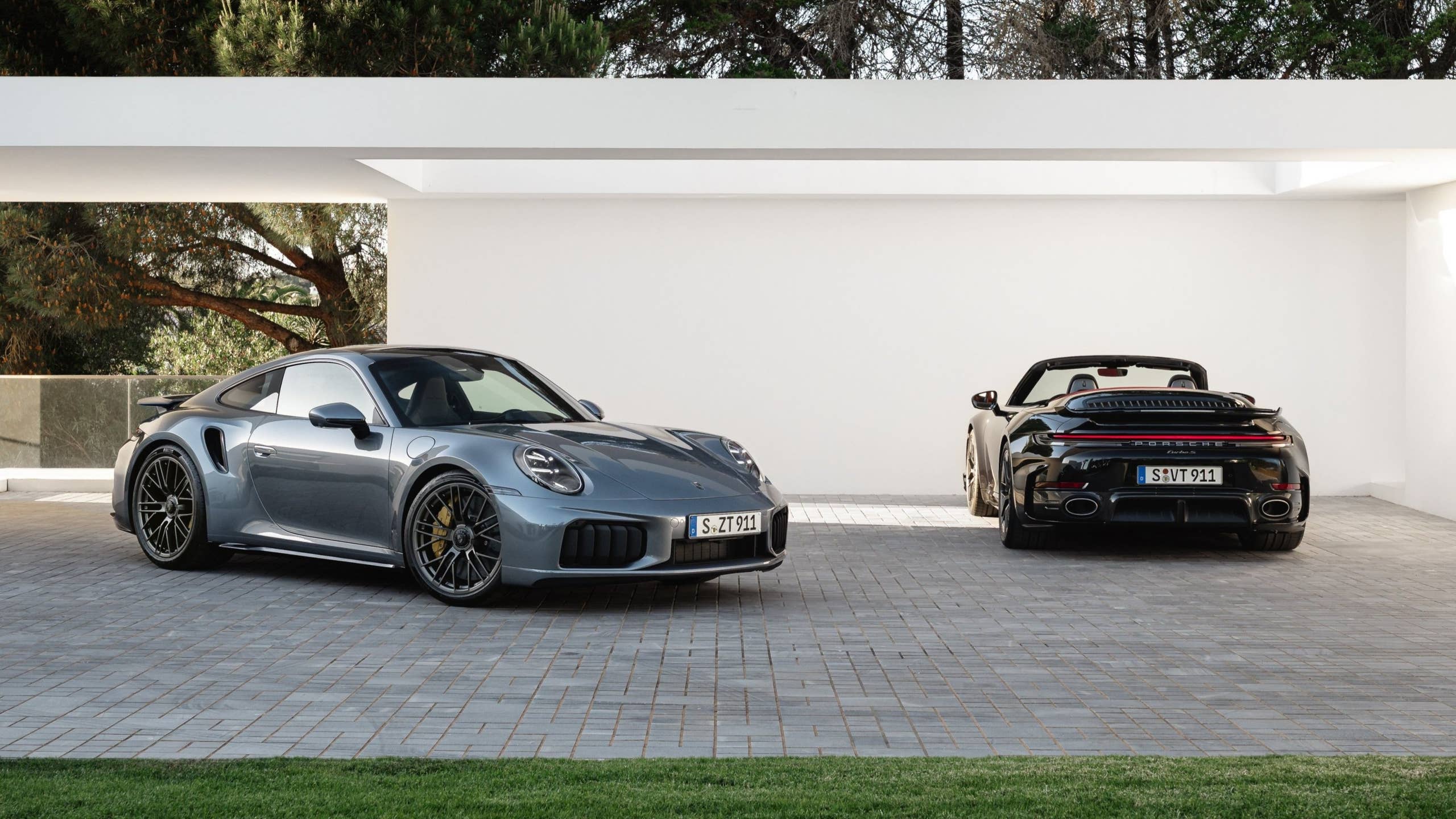
Earlier this year, Porsche announced it would cut about 3,900 jobs by 2030 to bounce back. That’s on top of the approximately 2,000 temporary jobs cut prior to the announcement. While it’s under the VW Group’s wing, Porsche’s workforce isn’t as large as its parent company’s, so the impact of layoffs will be felt more there.
Porsche’s production will take the hit. According to Frankfurter Allgemeine Zeitung, CEO Michael Leiters said the company plans to produce fewer than 280,000 vehicles per year. While it’ll be less costly to produce fewer cars, this does limit Porsche’s opportunities to rake in more profit, especially if it’s a strong year. At the time of writing, the looming layoffs are reportedly in their final stages.
Porsche
Taking Measures
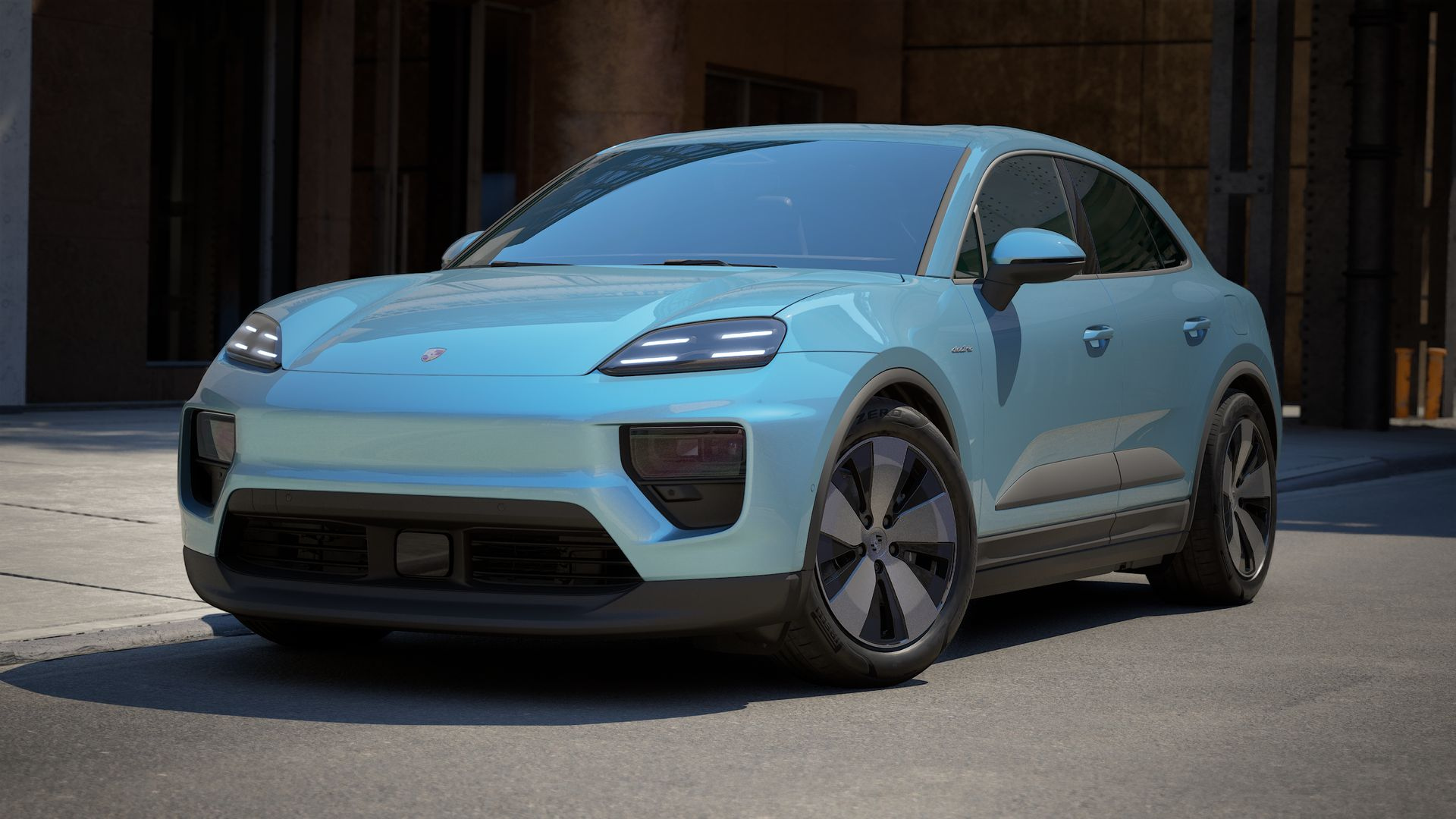
There’s opportunity cost, for sure, but Porsche is taking measures to make up the difference. “Porsche must be able to make money even with fewer cars,” said Leiters. He pledged to improve the company’s finances following a dismal 2025 – a tough job, but someone has to do it.
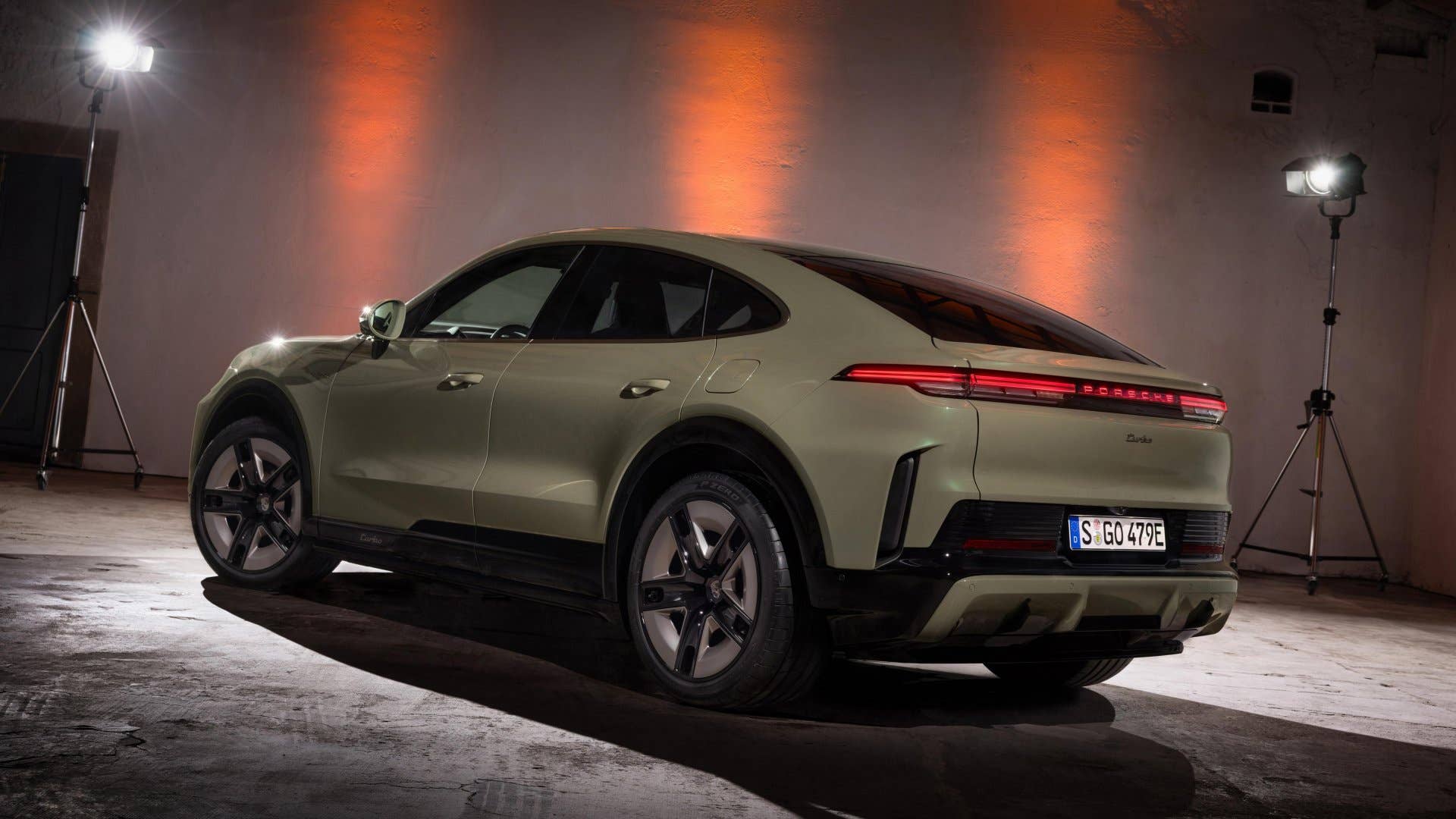
Aside from the job cuts, we’re starting to see some cost-saving measures. Most notably, Porsche and Audi will be working more closely together in future vehicle development. The next gas-powered Macan will be sharing more common components with the freshly redesigned Audi Q5. At the same time, Porsche’s first-ever three-row SUV will be directly related to the upcoming Q9.
Porsche
Challenges Ahead
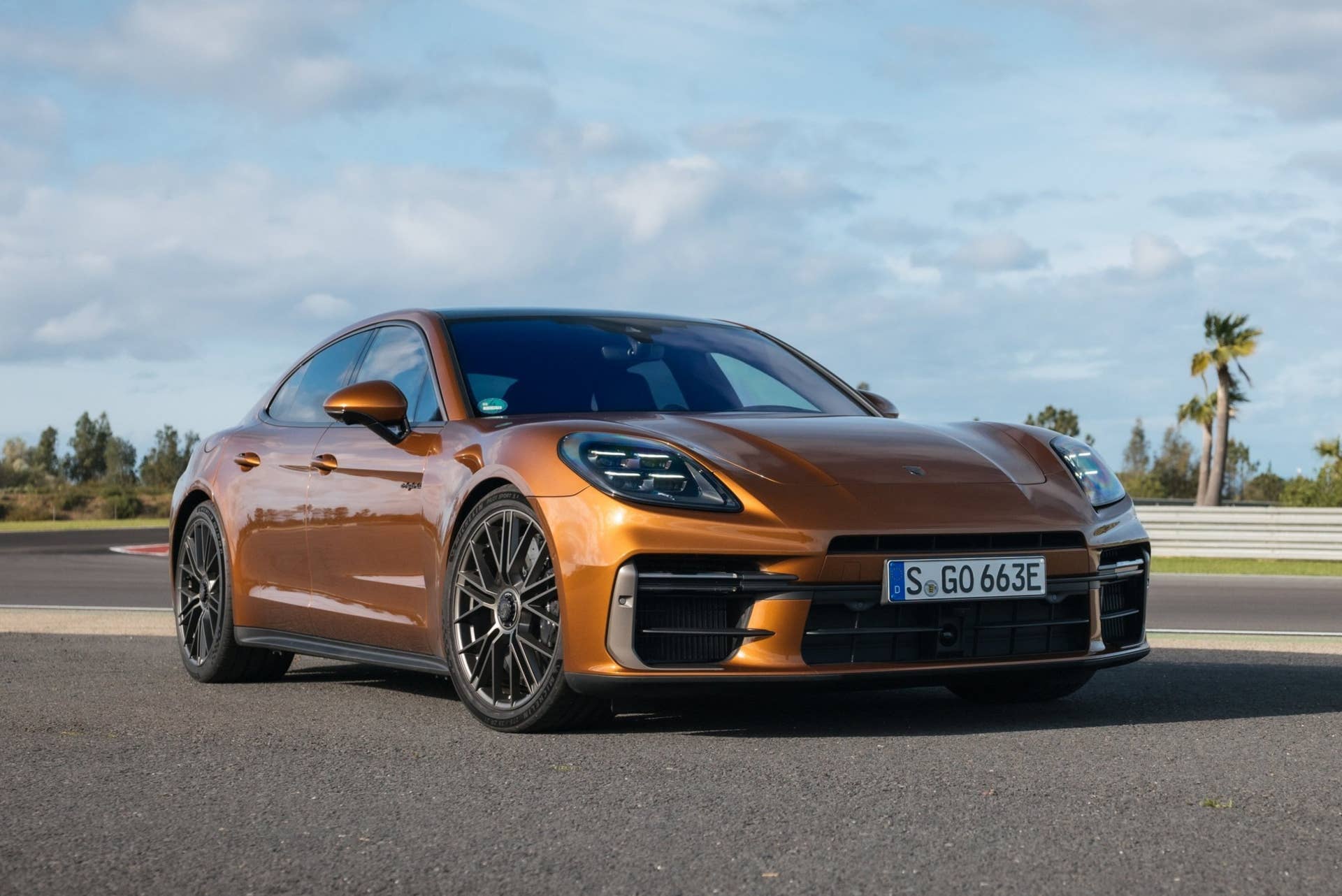
It’s those two SUVs in particular that hold the key to yielding high margins for Porsche. That said, the company has to brace for some bumps on the road, as those models are still about two years away. At least the electric SUVs are doing well, although there are still gaps in the lineup.
The discontinuation of the 718 Boxster and Cayman has left the brand without an entry-level sports car. Not everyone who aspires to a 911 can afford one outright, and there are those who’d like their first Porsche to be a sports car and not a crossover or a sedan.
Porsche’s recovery won’t be easy, although we won’t say the brand is in financial dire straits. There’s no doubt that the company’s name is worth its weight in gold, and it will remain a highly aspirational brand, ensuring its place in the future. But it needs more profit to develop the next-generation cars, whether it sports cars or crossovers. Think about it this way: the next-gen 911 won’t be any good if it was developed on a relative shoestring.
If you buy something via one of our links, we may earn a commission.Shop More Deals
About the author

Anton Andres is a Philippine motoring journalist and former racing instructor with over a decade of experience, specializing in features and automotive history for publications like Top Gear Philippines and Autoindustriya.com. A multiple Henry Ford Awards nominee, he's known for his passion for '90s European cars and expertise in Asian automotive industry trends.