There Is No 'But' After 'I'm Sorry'
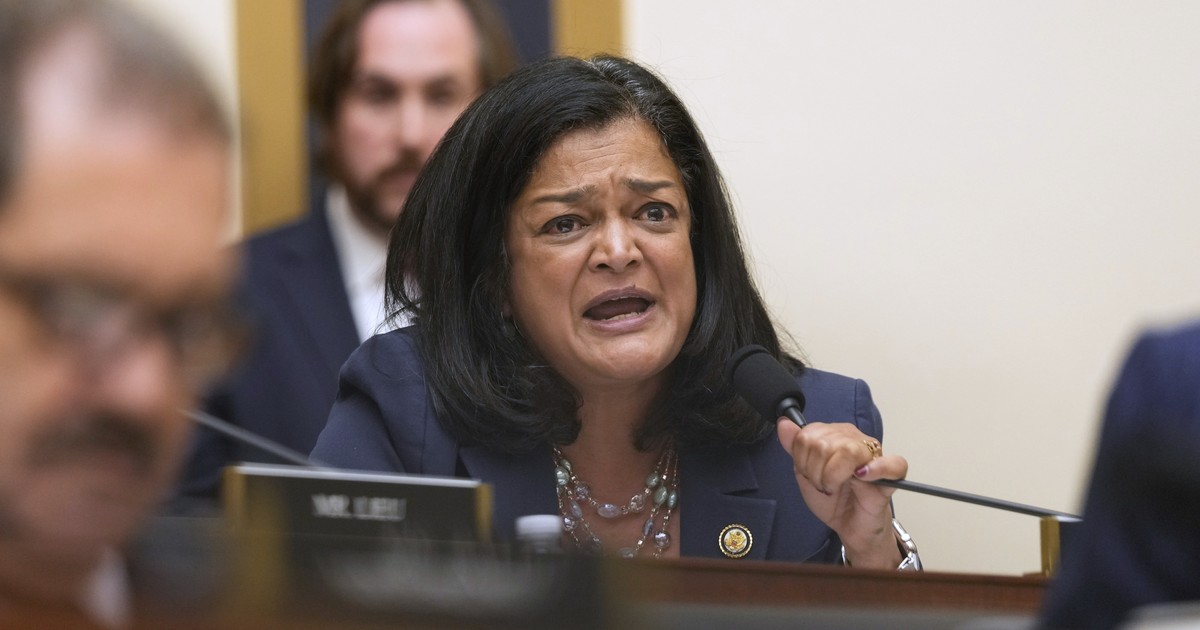
I recently had the privilege of testifying before the House Judiciary Subcommittee on Immigration Integrity, Security, and Enforcement alongside Jessica Gorman.
Privilege may seem like an odd word. Under different circumstances, I would never have met Jessica or her family. We were brought together by the worst day of our lives.
Advertisement
Jessica's daughter, Sheridan, was 18. My daughter, Katie, was 20. They were remarkable young women with lives full of promise. They should have had decades ahead of them to pursue their dreams, build careers, raise families, and contribute to their communities. Instead, those futures were stolen, and our country is poorer because they are no longer here.
Like my family, Jessica's will spend the rest of their lives carrying a burden no parent should ever know. We do not simply mourn our daughters, we live each day knowing their deaths were preventable. Every birthday, holiday, and milestone they should have celebrated reminds us not only of what we lost, but of what never should have happened.
That burden followed Jessica and me into the hearing room.
We did not come to Congress seeking sympathy alone. We came seeking something every grieving family deserves: an honest willingness to examine whether public policy failed, whether those failures can be corrected, and whether another family can be spared the lifelong pain we now endure.
Many members expressed sincere condolences, and I am grateful for every genuine expression of compassion. Losing a child transcends politics.
Yet as the hearing unfolded, a troubling pattern emerged.
Again and again, expressions of sympathy were followed by qualifications. Rather than first asking whether different decisions might have prevented Katie's and Sheridan's deaths, several members quickly pivoted to defending existing policies, citing statistics, questioning the purpose of the hearing itself, or suggesting Congress had already spent enough time examining crimes committed by people in the country illegally. At moments, some appeared disengaged from testimony describing the worst day of parents' lives. The impression left was difficult to escape: protecting a political narrative seemed more important than fully confronting whether that narrative had failed.
RecommendedAdvertisement
For Angel Families, there should be no "but" after "I'm sorry."
The next words should not be a defense of existing policies. It should be a simple question:
What could we have done differently to prevent this?
That question requires humility because good intentions alone cannot determine whether a policy succeeds. Leadership means having the courage to examine outcomes, especially when lives have been lost. If a policy contributes to preventable harm, those consequences deserve the same honest scrutiny as its intended benefits.
Defenders of current immigration policies often point to studies showing illegal immigrants commit crimes at lower rates than native-born citizens. That may be true as an aggregate, but it does not answer the question before us.
The question is whether government policies prevented previously deported individuals from being free to kill Katie and Sheridan.
If jurisdictions do not routinely record immigration status, if immigration detainers are declined, if plea agreements obscure criminal histories, and if enforcement practices vary across jurisdictions, those limitations should be acknowledged before broad conclusions are presented with certainty. Public policy must be judged not only by its averages but also by its failures. Katie and Sheridan were not statistics to be explained away as unfortunate exceptions. Their deaths should be examined as warnings that demand honest reflection about whether different decisions might have produced different outcomes.
Advertisement
Supporters of sanctuary policies also argue they make communities safer by encouraging victims and witnesses to cooperate with local law enforcement without fear of immigration consequences.
Yet experienced law enforcement officers have offered another perspective. During the hearing, Sheriff Gary Redman testified that cooperation with federal immigration authorities strengthens public safety rather than undermines it. Since Katie's death, I have heard the same message from sheriffs, police chiefs, prosecutors, ICE officials, and other law enforcement professionals across the country: communication, coordination, and lawful cooperation save lives. They do not see competing governments. They see partners with a shared responsibility to protect the public.
America learned after September 11 that failures to communicate across agencies can have catastrophic consequences. While terrorism and immigration enforcement are very different challenges, the governing principle is the same: when public safety is at stake, cooperation should be strengthened, not discouraged.
If experienced law enforcement leaders tell Congress that cooperation makes communities safer, policymakers should seriously consider that testimony. If they disagree, they should explain why. What they should not do is dismiss those concerns or treat coordination itself as the problem.
Advertisement
Public safety should never become a partisan issue. It should be a shared mission built on communication, accountability, and a common commitment to protect innocent lives.
This is not about condemning every immigrant for the actions of one criminal. America has always been strengthened by people who came here legally, respected our laws, embraced their responsibilities, and helped build this nation.
But slogans do not govern.
Policies do.
When elected officials refuse to examine the consequences of the policies they defend, they ask grieving parents to accept that our children's deaths are merely tragic exceptions rather than warnings worthy of reflection.
That is not leadership.
Leadership begins with humility. It begins by asking whether different choices might save lives in the future.
Katie and Sheridan cannot be brought back. Nothing Congress does will erase the empty chairs at our family tables or restore the futures our daughters never had the chance to live.
But Congress can decide whether their stories become another political argument or a turning point.
For Angel Families, accountability is not about revenge. It is about ensuring our daughters' lives continue to matter by preventing other families from joining a club that no parent ever wants to become a member of.
There should never be a "but" after "I'm sorry."
Advertisement
There should only be the courage to listen, the humility to learn, and the determination to ensure that fewer parents stand before Congress telling stories like ours.
Editor's Note: Do you enjoy Townhall's conservative reporting that takes on the radical left and woke media? Support our work so that we can continue to bring you the truth.
Join Townhall VIP and use promo code FIGHT to receive 60% off your membership.