Get Home, No Matter What: A Woman's Guide to Getting Home in Any Emergency


 At a Glance
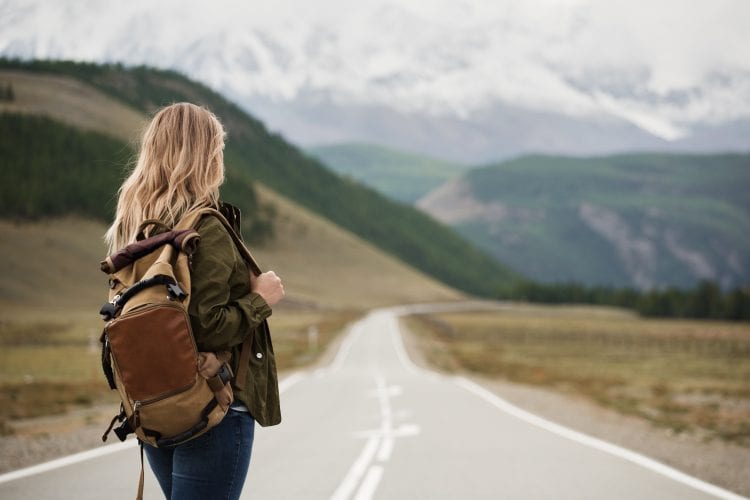
Most get-home advice assumes a backpack and a long walk, but the real plan starts before you pack anything. You need to have in mind your primary and backup routes, identify safe places to rest along the way, and talk through the plan with your family so everyone knows their part. Pack for what suits your physical ability, location, climate, and most likely emergencies. A backpack or rolling bag both have their place depending on your likely scenario. Add cash, personal safety items, and a way to communicate without relying on cell service. This is pure common sense and about making sure that whatever happens, you have a way back to the people who matter most.
My husband works in one part of Houston, and our two adult kids each work on opposite sides of this massive metroplex. Every one of them is at least a 40-minute drive from home on a good day. I’m the one who’s almost always home, and when I check Life360 it’s not unusual to see the three of them scattered across the far corners of Harris County while I’m the only dot anywhere near our house.
Now imagine you’re one of those dots. You’re forty minutes or more from home, and something has gone terribly wrong. Between you and home there’s a blocked highway that’s your usual route. It could be a grid-down event where internet and phone service aren’t available — an emergency that means no one is coming to help, and the people you love most are waiting for you. Maybe it’s a child who’s home alone with no other adult nearby. Maybe it’s just the gut-level need to be with your family when things go wrong. Either way, there’s only one thought that matters: I have got to get home, no matter what.
Wanting to get home isn’t enough. When that moment comes, what gets you there is a plan you’ve already thought through and a bag that’s already packed.
This article has been completely rewritten and updated. June, 2026.
Some of the links in this post may contain affiliate links for your convenience. As an Amazon Associate, I may earn a small commission from qualifying purchases without any increase in price to you.
In This Article Why Home Is Always Your Best OptionSure, there are other options. You could find a safe refuge, like in a church or a familiar business. You could decide to wait it out somewhere public or head to an emergency shelter. But none of those compare to home. Home is where your food storage is. Home is where your generator or power station is ready to provide lights, warmth, and a hot meal. Home is where your water is clean, your bed is yours, and the people you love are there, too. Home, almost always, is the safest place you could possibly be.
Now imagine you’ve walked for miles in bad weather. Each footstep is a reminder of how sore, scared, and tired you are — unsure what’s happening anywhere else. Or you’ve been driving through Noah’s Ark level rainfall, trees are down, roads are flooded…and then you’re there. You’re at your own front door, your own porch light, the welcoming and familiar scent of home. The relief of that moment is almost physical. Whatever happens next, you’ll face it from the one place you’re actually prepared for and feel safest
What Could Stop You From Getting HomeYou don’t need a One-Second-After level catastrophe to find yourself stranded away from home. Most get-home scenarios are far more ordinary than people expect.
A highway shuts down after an accident, and what should be a 40-minute drive turns into hours of gridlock. A storm knocks out cell towers, and suddenly you can’t call or text anyone to check in, and now your car won’t start in a parking garage at the end of a long shift. A grid-down event takes out traffic lights, gas station pumps, and ATMs all at once, and turns a normal commute into chaos. Ordinary severe weather makes the roads impassible and unsafe, or something bigger happens, like civil unrest or a regional disaster, and leaving by car simply isn’t an option anymore.
None of these require a doomsday scenario to be real. They’re the kind of things that happen somewhere in a city the size of Houston every single year. After Hurricane Harvey, people were walking along major thoroughfares with their belongings in black trash bags and nowhere safe to go. The question isn’t whether you’ll ever face one of these moments. It’s whether you’ll be ready when you do.
By far, the best way to get home is in your car. A well-equipped vehicle emergency kit in addition to your get-home bag, will help ensure you have everything you need when you absolutely need to get home. If your car becomes your shelter rather than your transportation, that same kit covers you for hours of waiting.
One more honest question to ask yourself, how far could you actually walk right now, today, in the shoes you’re wearing? Be realistic. If your daily routine doesn’t include much walking and your FitBit records a whopping 850 steps in a typical day, five miles from home might as well be fifty miles. This isn’t about shaming yourself into a fitness routine. It’s about assessing where you are now, how far you could realistically walk, and then adding just a few more hundred steps per day to increase the potential to walk a long distance if you have to.
Building Your Get-Home PlanIt’s tempting to jump straight to packing a bag. Comfortable shoes? Check! A water bottle? Check! A flashlight and all the gear? Check!
But stuff alone won’t get you home. A bag full of supplies with no plan behind it just means you’re well-equipped while you wander. Before you buy a single thing, spend a few minutes thinking through the plan itself.
Start with your routes. What’s your primary way home, the route you’d normally drive? Does that route include sidewalks, shoulders, or other safe paths along the road? Are there low-lying areas that could be flooded? When there’s a major storm in your area, what does that route look like?
Now think through a secondary route in case that one’s blocked, and an all-walking route in case driving isn’t an option at all. You don’t need to memorize turn-by-turn directions, but you should know the general path well enough to navigate it without GPS, if the internet’s down.
Next, think about mid-way safe locations. These are places along your route where you could stop, rest, use a bathroom, or wait out a dangerous situation if you needed to. It could be a church you pass regularly — are the doors typically open and are people there during the day? Maybe a safe stopping point might be a familiar business where you know the owner or at least know the layout. In an emergency, hotels might open their lobbies to the public. Perhaps, a relative’s or friend’s house happens to be along the way. These could be more important than people realize. A three-hour walk in bad weather or a dangerous situation, like through a riot zone, is a very different experience if you know there’s a safe place to stop halfway, versus having nowhere to go but forward or finding a place to hide.
Only once you’ve thought through the routes and the rest stops does it make sense to think about what goes in the bag. Now you’re ready to make the smartest choices for your particular get-home plan.
What Every Woman Should Carry to Get HomeNow you’re ready to start packing! The amount of gear and supplies you pack as well as how you should carry it will depend on factors like the distance you’re planning for, your fitness level, mobility issues, weather, and expected emergencies. Where I live, getting through floodwaters is far more likely that trudging through snowbanks — so factor in typical weather and natural disasters in your area.
Another point, pack for the body you actually have, not the one you wish you had. A much more fit or younger person could carry a 30-pound bag for a 10-hour hike. Maybe for you that sounds reasonable until you’re three miles into an unplanned walk and every pound feels like five.
Beyond that, a few things matter specifically for women that most generic get-home lists might not include.
The Right FootwearFirst, comfortable, broken-in shoes are non-negotiable. If you wear heels, sandals, dress shoes, or anything impractical for walking most days, keep a pair of real walking shoes in your car or bag. Pack an extra pair of comfy socks — lightweight wool-blend is best. Cotton socks are miserable when they get wet and have no thermal quality to speak of in cold weather.
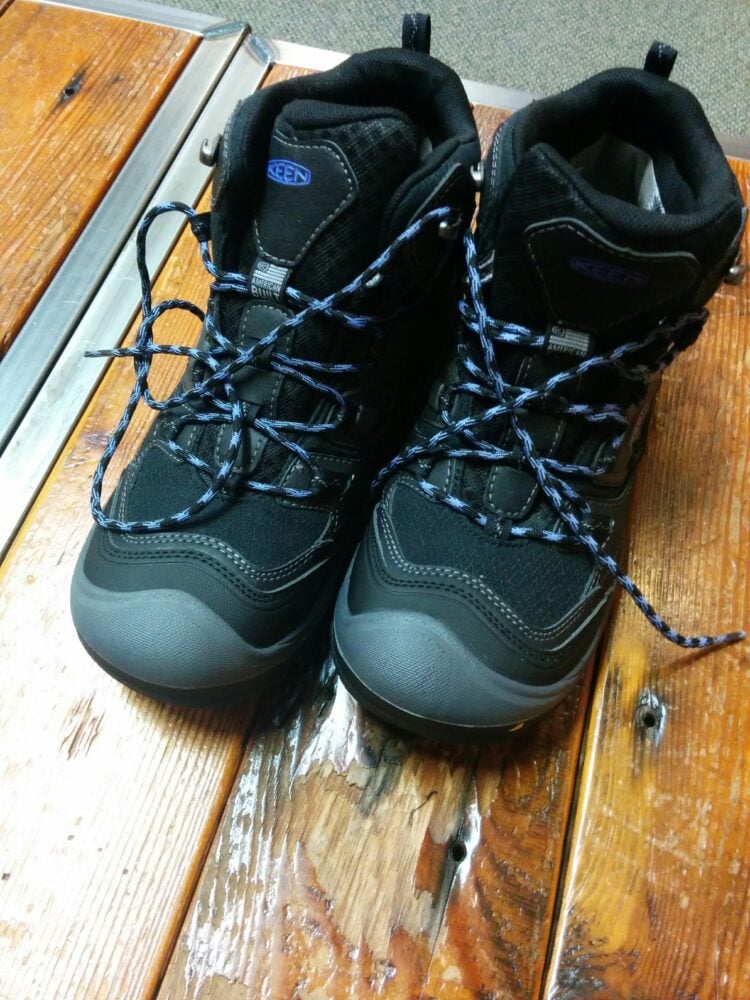
While you’re at it, pack Compeed Hydrocolloid Gel Cushions to help avoid blisters. There’s nothing better on the market. Moleskin and band-aids are better than nothing, though. Trust me, blisters after walking just a mile or two will slow you down more than almost anything else on this list.
The Right ClothingA change of weather-appropriate clothing matters, too. Depending on your location, pack something to stay dry, like a waterproof poncho (good for protecting a backpack or purse from the rain). Keep a lightweight merino wool, long-sleeve top rolled up in your pack for protection from sunburn as well as a layer for warmth. Try the Smartwool brand. I’ve owned one of these for over twelve years and could probably wear it for twelve more. Really good quality fabric.
If you anticipate getting home “no matter what” in cold weather, add a pair of Smartwool leggings and/or fleece-lined tights. When I was camping in Iceland, layering both provided more than enough warmth in some pretty frigid weather.
If you live in hot weather country, you’ll want protection from the sun. In that case, loosely fitted pants made of gauze or lightweight cotton are ideal. Pack a pair of thin leggings to layer beneath those pants if you need a bit of warmth, otherwise baggy gauze pants that allow some air-flow are ideal.
It’s tough to fit a full-size jacket in a backpack. If the weather is cold, you probably will have a jacket already with you. Otherwise, focus on adding layers, like the Smartwool top and a puffy jacket. This puffy jacket from Amazon is reasonably priced, and you can always go for high-end brands like Patagonia and Marmot. The main principle is to pack something lightweight, provides enough warmth, and can be either rolled up or packed in a vacuum-sealed bag to save on space.
For warm-weather, just put a cotton long-sleeve top in your bag and call it good. You’ll have sun protection and a thin layer if the nights get chilly.
Here’s a handy packing tip. Roll all these clothing items into a tight bundle and then pack them in a small compression cube. Everything will be organized and together when you need it. Alternately, you could roll the clothing up together and then inside a black trash bag — rolled up and secured with rubber bands or similar. This helps waterproof your clothing and provides a rain poncho (cut a hole in the top first!) at the same time.
Pack Supplies For Sustenance, Sanitation, and SecurityThere’s no need to pack a lot of food for this get-home trip. Foods that are high in protein, fat, and carbs will keep your body fueled for hours at a time. I suggest packing things like beef jerky, high-protein bars, and packets of hydrating mixes for water, such as Liquid IV.,
These basics provide hydration, electrolytes, some Vitamin C, and macronutrients (fat, protein, carbs). Add some hard-candy lollipops to suck on for a stream of sugar while you walk, and this will likely be enough for the trek. Keep in mind that along the way, there will almost certainly be convenience stores, gas stations, coffee shops, and so on. It’s highly unlikely you’ll starve! You just need enough to keep your energy and blood sugar up for the duration of your trip home.
Water will be the one addition that’s not an option, and unfortunately, it weighs a lot if you have to carry it — eight pounds per gallon. You can pack a few water pouches in mylar bags, and this is a good choice, but not easy for adding a drink mix. How much water you pack depends on a lot of factors, like the weather, your route (are you likely to pass places where you can get water?), and how much weight you can carry. At the least, carry 2-3 liters of water. This will weight between five and six pounds, but as you drink it, your pack becomes lighter and lighter. Keep an empty water bottle to (hopefully) refill along the way.
Water also comes in handy for washing your face and hands. Add a small packet of Clorox wipes to clean off surfaces like a dirty toilet seat and some hand-sanitizing wipes or gel, and a pack of tissues to use as toilet paper to complete this category of your kit.
Personal safety items deserve real thought. A whistle, a personal alarm (bSafe app provides an alarm as well as other protections), pepper spray (learn how to use it), and a flashlight to see your surroundings after dark and avoid potentially dangerous situations. If you have the training, a handgun with an extra loaded magazine is another layer of protection. Whether you’re walking home or driving in hazardous conditions, any or all of these are smart measures to take.
I’ll add one more item to the Security category — cash and a pre-paid Visa or MasterCard. Money can be a miracle worker when ATM machines are down, a (safe) stranger is willing to drive you ten miles, a gas station attendant willing to let you use their phone, a motel clerk who finds a room that “wasn’t available” two minutes ago — cash has a way of solving problems that a polite request can’t. There’s a reason so many economies around the world operate on a system of “palming a twenty or a fifty”.
Staying In Touch No Matter WhatA way to communicate matters even when cell service is unreliable. A portable phone charger, a paper map as backup in case GPS or signal fails, and a small notebook with emergency contact numbers written down can be kept in your vehicle or added to your pack.
The Zello phone app acts as a two-way walkie-talkie (emergency responders often use it), and if you have internet access, you can utilize apps like WhatsApp, Signal, and Discord to stay in touch.
If you want to be absolutely sure you can stay in touch no matter what, check out the mini-Starlink. As long as its charged up, you just point it to the sky for a connection. It weights about 2.5 pounds and costs right around $200 or so. Download the Starlink app and follow the set-up instructions. You’ll pay a monthly connection fee, but you can always cancel when the immediate crisis is over.
Customize Your BagFinally, think about who else is usually with you when you’re away from home. What might you want to have in your vehicle and/or your get-home bag with them in mind, and what can they carry on their own. I made small crossbody bags for my kid when they were five and six years old that held a water bottle, hand wipes, some snacks, and a little flashlight. Simple supplies ready whenever they needed them but also a few less things for me to carry.
If you have knee or joint issues, a lightweight brace or wrap is worth the space it takes up in. Ibuprofen or another anti-inflammatory can be the difference between finishing the walk and stopping every mile to rest. If you take daily medication, a few days’ supply should already be in your bag, and go through this thought process for each family member.
What Kind of Bag Is BestMost get-home advice assumes you’ll be walking, so it pushes you toward a backpack and nothing else. But not every scenario means walking miles on foot. Sometimes the issue is a blocked road you can navigate around on foot for a mile or two before finding another way, or it might be sheltering in your car for hours rather than walking at all. The right bag depends on what you’re most likely to face.

A backpack is still the most versatile choice for most women. It distributes weight across your shoulders and hips rather than one arm, keeps your hands free, and works whether you’re walking a few blocks or several miles. Choose one with padded straps and a hip belt if you’re carrying more than 15-20 pounds. Your back will thank you an hour or two down the road.
A rolling suitcase is worth considering, too. If your most likely scenario is sheltering in your car, navigating city streets, or walking on paved sidewalks and roads rather than trudging through rough terrain, a rolling bag lets you carry a lot more weight with very little physical strain. The tradeoff is that it eventually becomes frustrating to use off pavement. Over gravel, grass, or up and down stairs, it will slow you down or stop you completely.
If you work in a downtown area with sidewalks and elevators, a rolling bag kept in your office or vehicle might make more sense than a backpack you’ll never use. If you go the route of the rolling suitcase, look for one that has heavy-duty wheels and is lightweight for its size. I have an Away carry-on size suitcase that would be the perfect fit for this purpose.
Another option to the backpack and rolling suitcase is a rolling duffel bag. This one only weighs a few pounds, costs about $150, and has extra large wheels. It also holds about twice as much as the typical carry-on size suitcase. For traveling over rugged terrain and you don’t have the physical ability to tote a backpack, this is the better choice. Pack it up, and store it in the trunk of your car.
The truth is that the very best option for you might be both a smaller backpack for the essentials you’d carry no matter what, and a rolling suitcase or duffel bag to keep at your workplace or in your car for scenarios that are more extreme. I always keep some light camping gear in the back of my car — a couple of sleeping bags, a good LED lantern, a small tent/shelter — just in case. There’s plenty of room in the trunk, and it’s good to know we have gear for an overnight stay in the car.
Talking to Your Family About the PlanA plan that exists only in your head doesn’t help anyone but you. If you’re away from home and everyone is wondering where you are, having talked through this plan will alleviate a lot of fear.
Kids are naturally curious and adventurous, so start out by showing them a few of your emergency supplies. Let them check out the flashlight and taste the Liquid IV. Say, “In case there’s ever a big storm or my car breaks down, I have stuff like this to make sure I get home safe and sound to you guys!” The “What if?” game is a fun way to talk about scenarios like this, providing a way to discuss potential real-life situations in a low-key settting.
If they have their own smartphones, set up one or two conversation apps to stay in touch. Teach them how to use Zello as a walkie-talkie and show them how it records their messages, so even if you don’t answer right away, you’ll still be able to hear from them, and vice versa.
Put together a Family Communication Plan as detailed here with multiple layers of ways to stay in touch
With older kids and adults in the family, review the routes you have planned, how everyone can stay in touch, and what to do if they can’t reach you. And therein lies a very tricky situation — should anyone in the family ever go looking for the family member? As part of your get-home-no-matter-what plan, this should be discussed if you think there’s a good chance the issue will come up,
For our family, my husband said, “Don’t worry about me. Just know I’m on my way home, and nobody should come looking for me.”
Once someone else leaves the house, now there are two family members to worry about. Two people who may not have a way to communicate, and two people who could be in jeopardy. And, the person coming home may have had to take detours, so their exact location is unknown.
Rather than someone venturing out on a wild, random search, a better plan is to, first, utilize all forms of communication in your family plan. A text message can slip through far more easily than voicemail or a phone call.
Agree upon a general window of arrival time before any worry sets in. If mom is walking home from her school twelve miles away, she should be home within four to six hours, depending on things like weather, terrain, and fatigue. Continue trying to get in touch. The Zello app records messages, so check those every 15-20 minutes.
Honestly, it is rarely the better choice for family members (especially kids or the remaining parent) to leave home and search. Searching can quickly cause far more problems than it is intended to solve. It should be agreed upon that once anyone is at home, they stay at home. The only time it might be the better choice to leave and search is if:
Only if all these conditions are met, should anyone leave, and even then, going only to a previously agreed-upon rally point. With discussions and plans like these, irrational decisions are far less likely.
Everyone Gets Home No Matter WhatIn our household with a husband and kids working all over the Houston area, each of them needs to have a plan to get home no matter what.
If the highways are gridlocked, does your teenager know an alternate way home from school?
If your spouse’s office loses power and cell service, do they know to head straight home rather than waiting for instructions that might never come?
If one of your adult kids is at work across town, do they have a bag in their car, and do they know your family’s agreed-upon plan for who waits at home and who goes where?
What about kids living away at college? Do they have a plan to either get home or stay in their dorm/apartment safely?
Each part of the get-home-no-matter-what can be adapted to any location, circumstance, or individual, and a family reunited in a crisis is priceless and worth the effort.
Determining to get home no matter what isn’t about the gear or the bug-out bag. It’s about knowing that no matter what happens, you have a plan in place to get home to the people you love. So, get the bag packed, check out your routes, talk with the family, and then relax a bit because you have a plan in place and have made the decision you will get home.
Frequently Asked Questions What if I’m wearing heels or dress shoes when something happens?Keep a pair of broken-in walking shoes in your car, at your desk, or in your get-home bag specifically for this reason. If you’re caught without them, even removing your heels and walking in socks or bare feet for a short distance is often safer and faster than trying to walk miles in shoes built for sitting, not walking, and ending up with blisters will make the trek even more difficult.
How far can the average woman realistically walk in an emergency?It depends on a lot of factors: fitness level, terrain, weather, and what you’re carrying. A reasonably fit person can usually walk 3-4 miles per hour on flat ground with a light load. Under stress, in bad weather, or carrying a heavy bag, that drops significantly. Plan for twice as long, giving yourself a good margin of time if you need to rest or make a detour.
What if my kids are home alone when this happens?This is exactly why a family communication plan might be the most important piece. Make sure your kids know what to do if they can’t reach you. Who else to call, whether to stay home or go to a trusted neighbor, and what needs to be done around the house, such as turning on the AC/heat, making a simple meal, feeding the pets, and so on.
Should I keep my get-home bag at work, in my car, or at home?Keep it wherever you spend the most time away from home. For most women that’s the car, since it travels with you regardless of destination. If you work in one location consistently, a smaller version at your desk is worth adding too, and it can come in handy if you’re ever stranded at work due to bad weather or some other scenario.
Your get-home plan matters even more. Know your routes on foot in case rideshare apps or transit systems go down entirely, and consider keeping a slightly more complete bag with you regularly since you won’t have a car to store backup supplies in. Double down on the steps toward finding alternative safe places, each within a reasonable walking distance from the other.
Is it safe to walk alone as a woman during an emergency?It carries some real risks, which is exactly why personal safety items and situational awareness matter so much in this kind of plan. Common sense goes a long way — stick to well-lit, populated routes when possible, trust your instincts if something feels wrong, and consider personal safety tools you’re trained and comfortable using. If a number of people are headed in the same direction, you might join the group for the “safety in numbers” factor.
What’s the single most important item in a get-home bag?Comfortable shoes, without question. You can walk for quite a long time on an empty stomach and even being thirsty, but everything becomes irrelevant if you can’t physically make the walk. In the second most important spot, I’d add your smartphone. Communication can save lives.
Want More Useful Info From Survival Mom? #drip-ef-3831622-compact { font: .875rem/1.5rem sans-serif; width: 100%; } #drip-ef-3831622-compact h3 { font-size: 1rem; margin: 0 0 .25rem; color: #5b4841; } #drip-ef-3831622-compact p { font-size: .875rem; margin: 0 0 .75rem; color: #5b4841; } #drip-ef-3831622-compact .drip-inline-fields { display: flex; gap: .5rem; flex-wrap: wrap; align-items: flex-end; } #drip-ef-3831622-compact .drip-inline-fields > div { flex: 1; min-width: 140px; } #drip-ef-3831622-compact label { font-size: .75rem; display: block; margin-bottom: .2rem; color: #5b4841; } #drip-ef-3831622-compact input[type="email"], #drip-ef-3831622-compact input[type="text"] { margin: 0; padding: .375rem .5625rem; width: 100%; box-sizing: border-box; border: 1px solid #5b4841; border-radius: 4px; font-size: .875rem; } #drip-ef-3831622-compact input[type="submit"] { padding: .375rem 1rem; background-color: #5b4841; color: #f7d6cf; border: none; border-radius: 4px; cursor: pointer; font-size: .875rem; white-space: nowrap; width: 100%; margin-top: .5rem; } #drip-ef-3831622-compact input[type="submit"]:hover { background-color: #f68263; color: #fff; }