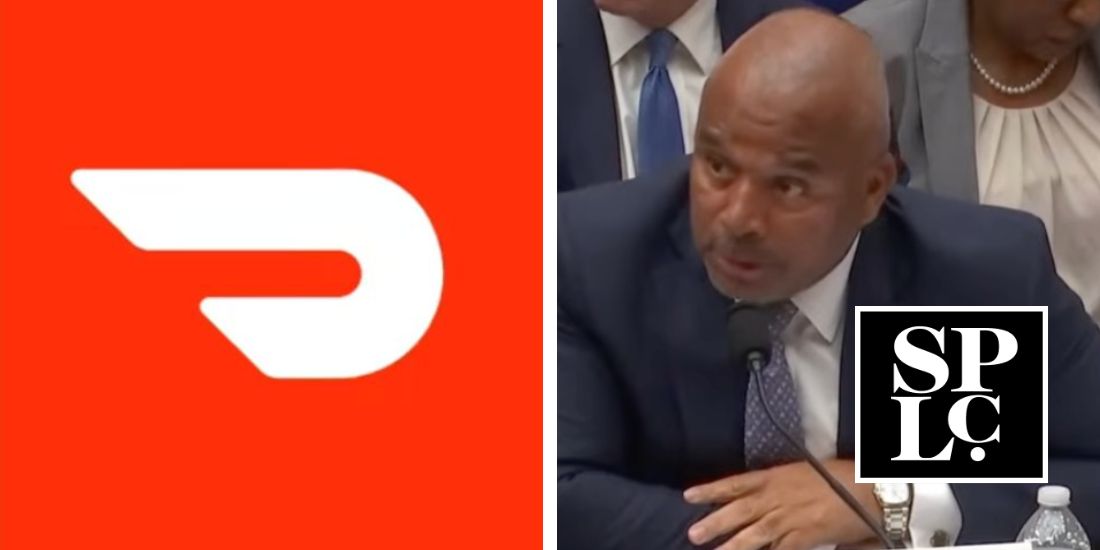
DoorDash stops using SPLC list to blacklist conservative orgs
The change means employees will no longer be automatically prevented from donating to nonprofits that have been designated by the SPLC as hate groups.
The change means employees will no longer be automatically prevented from donating to nonprofits that have been designated by the SPLC as hate groups.
DoorDash has officially ended a policy that automatically blocked certain nonprofits from its employee giving program after criticism from investors and advocacy groups.According to a report by The Daily Signal, DoorDash has instructed its workplace giving platform, Deed, to stop using the Southern Poverty Law Center’s “hate map” as a default filter for charitable organizations participating in the program.
The change means employees will no longer be automatically prevented from donating to nonprofits that have been designated by the SPLC as hate groups through DoorDash’s charitable giving system.
The policy drew scrutiny from conservative organizations that argued the SPLC’s classifications have expanded beyond extremist groups like the KKK to include mainstream conservative and religious organizations such as Turning Point USA and PragerU. Critics claimed the practice limited employees’ charitable giving options.
The conservative Christian law firm Alliance Defending Freedom, which had urged DoorDash to reconsider its reliance on the SPLC, said the development was a positive step.
“ADF, IWP Capital, we believe this is a great win for shareholders and employees, and we’re very happy with the result,” Noah Nash, legal counsel for ADF’s Corporate Engagement Team, told The Daily Signal in an interview Thursday. “It sets an excellent example for other companies to follow.”
DoorDash confirmed through a spokesman that the company had asked Deed to make the controversial SPLC filter an optional setting rather than the default per The Daily Signal.
The dispute reflects a wider debate over how much influence third-party watchdog groups should have in corporate philanthropy. Many companies rely on external databases to manage reputational risk, but opponents argue those systems can unintentionally restrict employee choice in charity.
DoorDash has not announced any additional changes to its corporate philanthropy policies, but the turn signals a shift toward giving employees more control over which organizations they are able to support through workplace donations, rather than relying on a single standard.