New UK PM Burnham Dismisses General Election Demands.
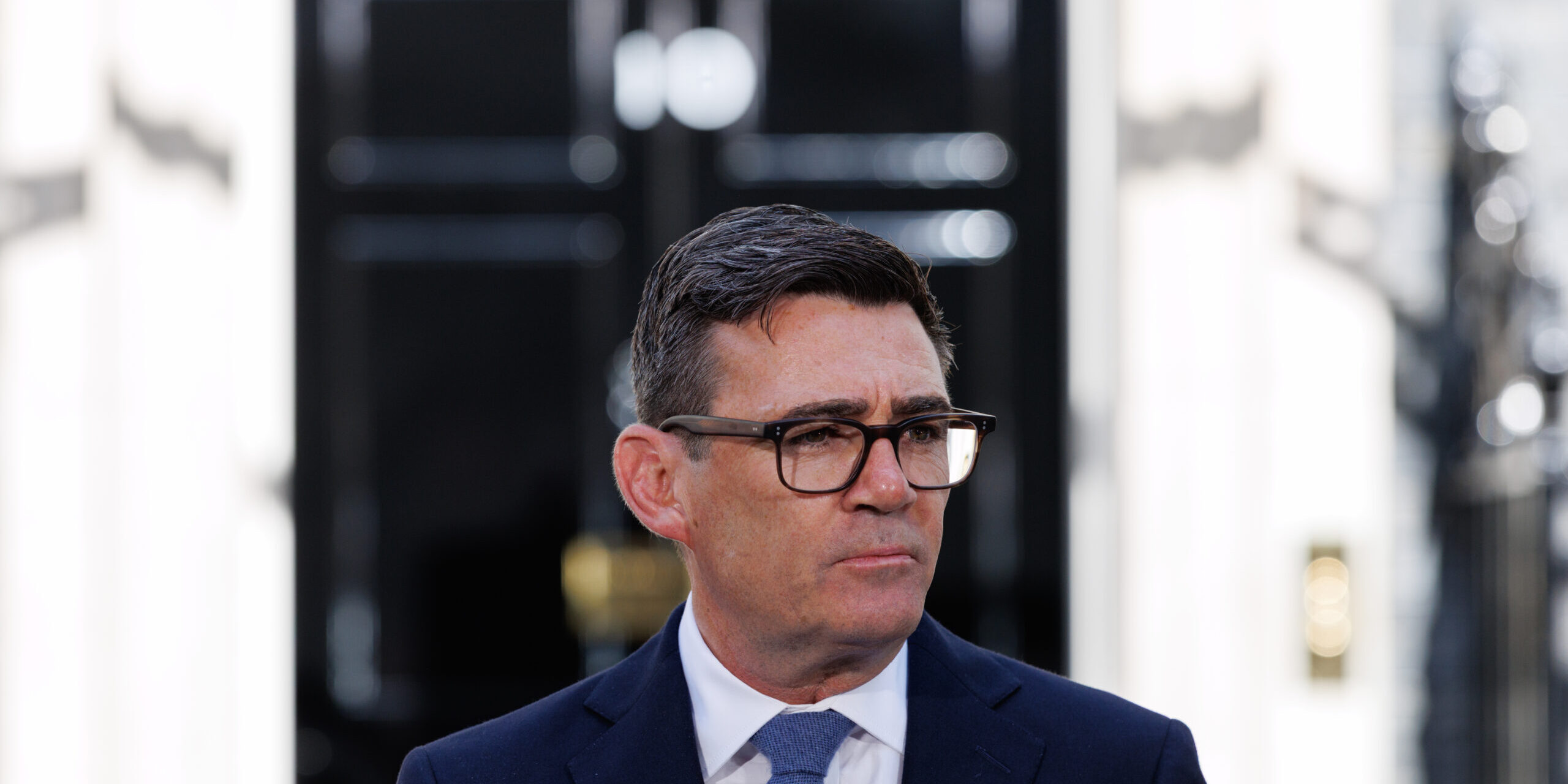
Andy Burnham, the new British Prime Minister, has dismissed calls for a fresh General Election, claiming the governing Labour Party’s existing parliamentary majority provides sufficient legitimacy.
| PULSE POINTS |
| ❓ WHAT HAPPENED: Andy Burnham has been appointed as Britain‘s new Prime Minister, succeeding Keir Starmer, and has rejected calls for an immediate General Election. Burnham emphasized his intention to lead based on Labour’s existing mandate, secured during the 2024 General Election, and promised “massive change” in British politics.📺 DETAIL: Burnham, the former Mayor of Greater Manchester, inherits a 166-seat Labour majority in Parliament, which he stated provides the legitimacy to govern without calling for a new election. Notably, he did not stand in the 2024 election himself, reentering the House of Commons a matter of weeks ago following a parliamentary by-election (special election). Speaking before being invited by King Charles III to form a government, Burnham said he would remain faithful to Labour’s manifesto while delivering “a massive change” in British politics. He said his government would pursue greater devolution of power away from Westminster and Whitehall, the London strongholds of the British political class and Civil Service, alongside a new economic model for the country, insisting those goals are consistent with Labour’s existing platform. Burnham claimed that he would not go beyond the party’s manifesto commitments but promised to implement significant reforms within them. He also confirmed that one of his first conversations with a foreign leader would be with Ukrainian President Volodymyr Zelensky to reaffirm Britain’s support for Ukraine.💬 KEY QUOTE: “We’re in a parliamentary democracy… if somebody can command the majority of the MPs in the House of Commons, obviously they then have the legitimacy to lead things forward.” – Andy Burnham🎯 IMPACT: British prime ministers are not directly elected, effectively relying on the approval of a majority of Members of Parliament (MPs) to stay in post, and can be replaced by MPs between elections. In practice, however, it is generally accepted that voters back parliamentary candidates based on their perception of the party’s national platform, and in particular the party leader, and that prime ministers who did not lead their party into a General Election victory lack true democratic legitimacy. Burnham, in particular, was not even an MP during the last election, owing his new position almost entirely to internal party politics, which saw him replace Starmer uncontested. Reform UK leader Nigel Farage has pushed for an immediate General Election, arguing that Burnham “cannot be allowed to make the ‘biggest changes in politics for 40 years’ without a mandate.” |
Image by Lauren Hurley / No 10 Downing Street.
Newsletter Need to Know..jpg)
Your free, daily feed from The National Pulse.
Thank You!You are now subscribed to our newsletter.
Join Pulse+ to comment below, and receive exclusive e-mail analyses.