Iran floats ‘insurance fees’ as it asserts control over Hormuz
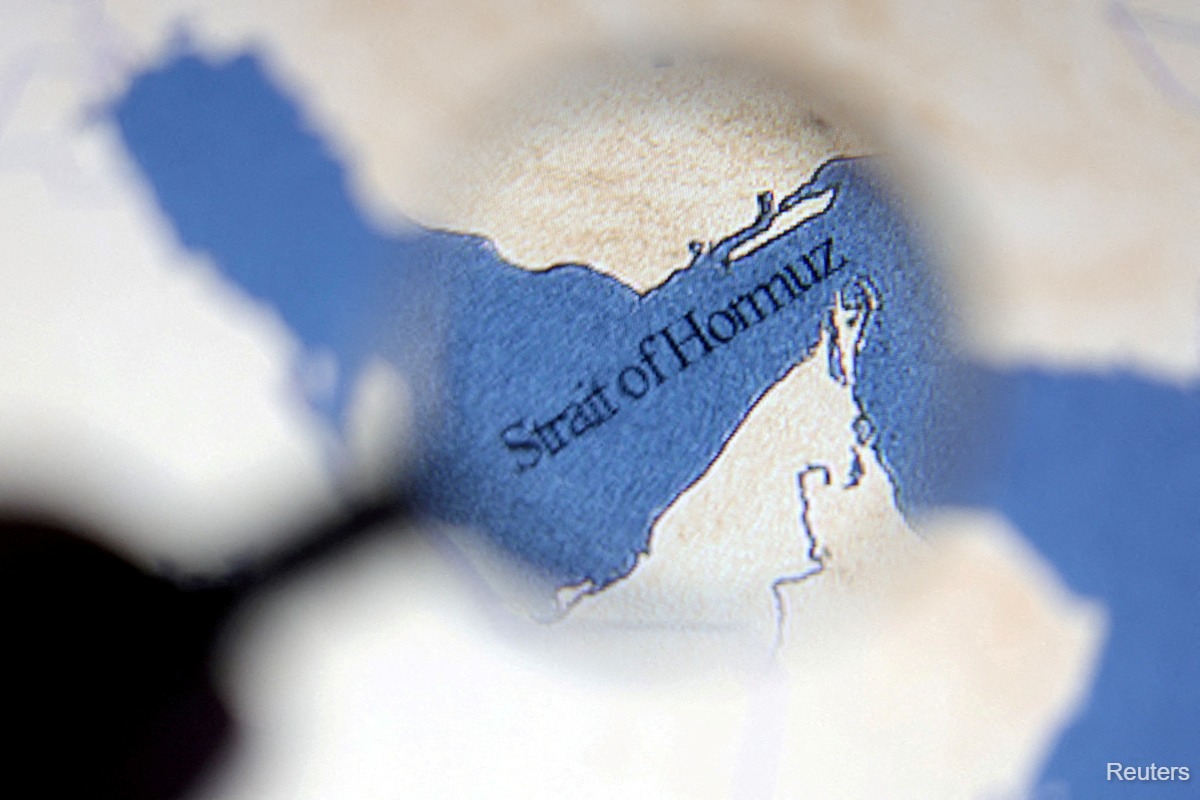
(June 19): Iran has moved to assert its control over the Strait of Hormuz, declaring that ships can’t cross without its permission and setting the stage for future tolling arrangements by saying it could introduce “insurance fees”.
All vessels that transit the strait will have to secure a mandatory insurance policy that is currently free but could involve charges in the future, the country’s Persian Gulf Strait Authority (PGSA) said in a document on its website. It also said that ships must follow a prescribed route that passes along its coast and that alternatives are prohibited.
Western naval groups have in recent days told ships they recommend taking a path via Oman’s coast, but said that other routes were available, a sign that parallel shipping lanes could open up while an area in the middle of Hormuz is cleared of mines. A bumper volume of oil made its way out of Hormuz in the hours after the US and Iran signed their interim peace deal this week. However, observable traffic thinned by Friday, and Pakistan’s navy reported that a mine had been spotted near Oman’s coast, adding to the jeopardy of using the non-Iranian route.
Shippers and producers have grown increasingly concerned about the prospect that Iran will seek to toll the strait in future, after the memorandum of understanding signed with the US said only that transit would be free for the duration of its 60-day term. They have also been seeking guidance about how transits through Hormuz would work after the peace deal was signed and how it will be cleared of mines.
US allies led by the UK are desperately pushing the Trump administration to not accept or normalise Iran’s attempts to try to introduce fees to pass the strait, according to a senior official. The industry has warned tolls would break with international maritime law and set a dangerous precedent that could be mirrored in other waterways.
“At present, this insurance is provided free of charge to the vessel owner, with all expenses covered by the Islamic Republic of Iran,” the Iranian document said. “The PGSA reserves the right to introduce insurance fees in the future, which will be determined by the relevant insurer. Owners will then be required to purchase and renew coverage accordingly.”
Visible oil flows through the waterway slowed sharply on Friday. While one oil supertanker popped up near Muscat, Oman, suggesting it had exited the Persian Gulf, there were no other observable shipments from ships’ transponders. Still, millions of barrels have begun to flow out in recent weeks via the southern route near Oman, often with their transponders switched off, meaning that it’s possible a larger volume has crossed than is currently visible.
Iran has managed to move millions of barrels of cargo that had been under a US blockade at a port just outside the Persian Gulf since the peace deal. Tankers with enough capacity to transport at least 20 million barrels were detected leaving the Iranian port of Chabahar on the Gulf of Oman this week. Tehran’s shipments had been all but halted prior to the American blockade.
Hormuz risksThe PGSA was created by Iran during the war but has since been sanctioned by the US. Iran’s neighbours have rejected its legitimacy and told shipowners not to interact with the body.
The document will do little to assure vessel owners who had already been seeking clarity on strait transits. There has been very limited demand to book tankers to load oil from ports in the Persian Gulf, a step that would need to happen for shipments from the export installations to happen, shipbrokers and tanker owners said Friday.
Ships must submit requests to the PGSA to receive a passage permit, the document says. It also published a map of the routes Iran considers safe.
On Thursday, western naval forces published co-ordinates of the route they recommend using when crossing Hormuz. They added at the time that maps of the latest known mine positions are also available on request.
Uploaded by Chng Shear Lane