John Wick Was Right – The American Spectator | USA News and Politics
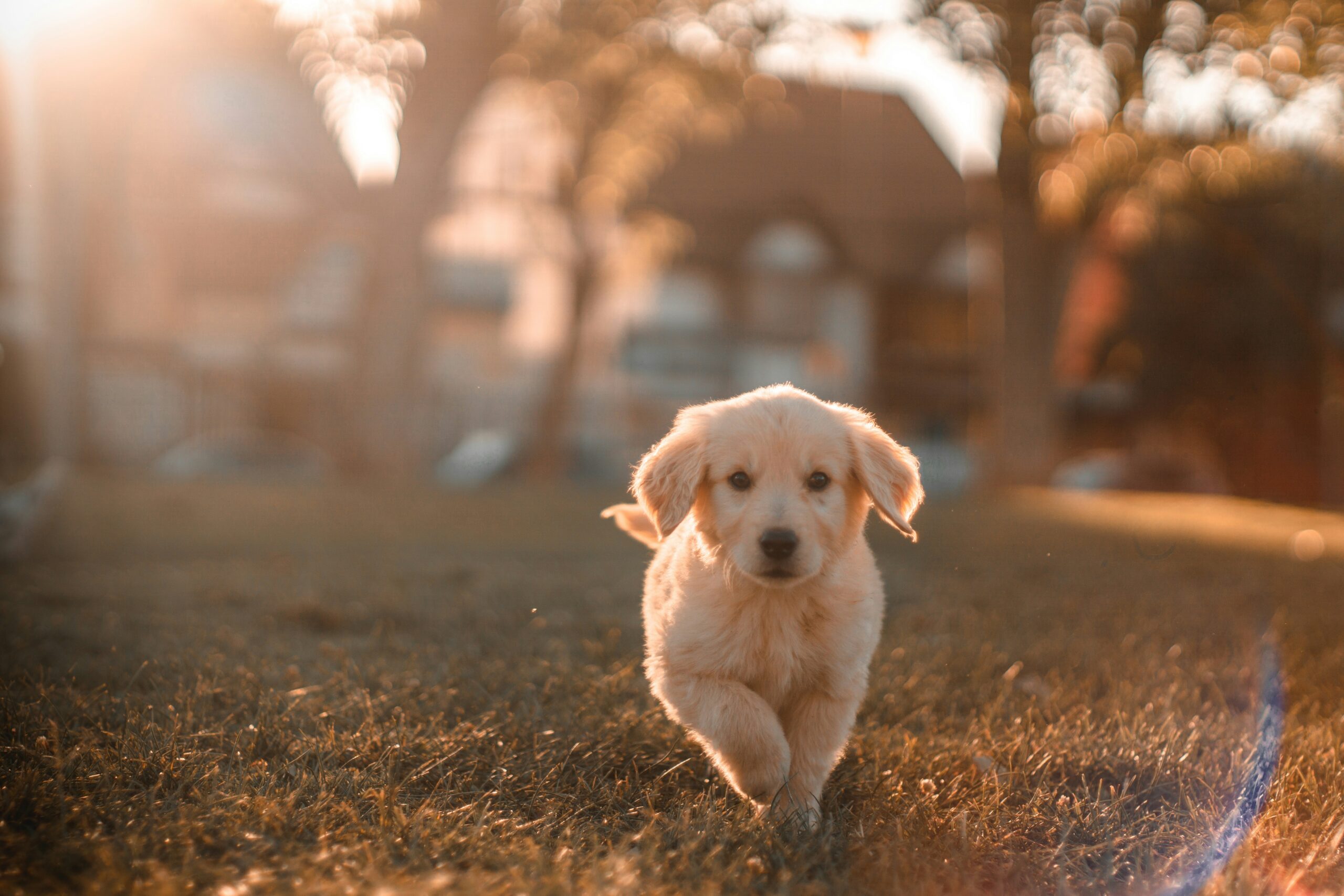
I was seven years old when my family went to see the big Disney hit, Old Yeller. In the climactic scene, when Old Yeller dies, my big sister and I were bawling, my mother was sobbing audibly, and my dad, though toughened by the horrors of infantry combat, was clearly struggling to hold back his own tears — in my short life, I’d never seen him so visibly moved.
Perhaps it was the sheer power of the acting, the contagion of grief evoked by the on-screen family so similar to our own. Perhaps it affected us so deeply because Zip, our own little chihuahua, had just been killed, having escaped the safety of our fenced back yard only to be attacked by the collies living across the street — our feelings were still quite raw.
Or perhaps it was the surprise. We had no idea going in that the dog was going to die — at least my sister and I didn’t. But I’ve talked to many others down through the years, and almost without exception, they attested to the same feelings, the same sense of shared heartbreak evoked on the screen. Maybe viewing it again as an adult would make a difference, but I guess I’ll never know. I’ve never seen it again, and, long ago, I promised myself I never would.
It’s a promise I’ve extended to pretty much every entertainment in which the dog dies. My wife and I watch a lot of mysteries and thrillers on TV, and, occasionally, we encounter a storyline in which the dog is killed. Sometimes the four-legged sacrifice feels legitimate, however painful to us. Sometimes, as in the case of a Swedish thriller series from several years back, it’s so thoughtlessly gratuitous that we simply stop watching and refuse to watch any more episodes of the series.
Dog lovers are told, again and again, that we make too much of all this. We’re condemned for infantilizing our pets, for forgetting that, in the end, they’re merely animals. Just recently, this has been elevated to a higher level. In the U.K., long home to a particularly passionate love of dogs, a move is afoot to have dogs banned from pubs. Having once lived in England and having enjoyed many an hour nursing a pint in my favorite “local,” I find myself quietly appalled.
Perhaps things have changed, but in my day, the dogs were well-behaved and, overall, contributed to the overall civility of things wherever they appeared. More often than not, they were less obnoxious than the dart players. Then again, dogs blend best in the small rural pubs that, sadly, seem to be disappearing at a rapid rate.
We’re now also told, infuriatingly, that our love of dogs is Islamophobic, and that respect for our Muslim neighbors requires giving up on our four-legged family members. I don’t think this merits a moment’s consideration, but a quick social media scan suggests that this has become a thing, particularly in our largest cities. And when our dog-owning city brethren look up from these complaints, it’s only to be chastised for the mere possibility that their dog might have dropped something on the sidewalk — this, in cities where human feces are studiously overlooked by the same complainers. (RELATED: The Spectacle Ep. 349: Muslims v. Dogs? The Answer Is Dogs)
One can, of course, make sport of some of the more ridiculous manifestations of love for dogs. When I was little, our family had chihuahuas, and I have very fond memories of those spirited little dogs — but I tend to gag at the spectacle of bejeweled purse dogs, and other attempts to reduce respectable animals to mere fashion accessories. But I freely admit to treating all our dogs as junior family members rather than as mere animals.
I think this is deserved, because the relationship, properly conceived, reflects an interaction quite literally rooted in our shared prehistoric existence. Once upon a time, dogs aided their cave-dwelling human partners in the hunt and then sidled up to the campfire for their share of the spoils. Today, our dogs protect our house against dangerous intruders (and the squirrels and rabbits) in return for morsels that magically “fall” off the butcher block in our kitchen.
It’s easy to make light of this, but, down through the years, my wife and I have slept more soundly at night because we’ve been protected by a very capable four-legged alarm and tactical response system. We’ve always had big dogs — I mean, really, really big dogs — and no one who comes within their orbit would trifle with them for an instant.
Supervising canine operations policy once fell to me among my many and varied tasks as a senior security “advisor” to the Chief of Security at my agency. Although this was only an ancillary activity, and one that only lasted for a couple of years, it proved an unexpected career highlight. Securing nuclear weapons production facilities and other critical energy infrastructure meant asking a lot of our protective forces, and our canine teams played an outsized, hugely valuable role in this overall process.
This also afforded the opportunity to interact with other agencies’ canine programs, both military and civilian, which proved to be an utterly fascinating learning experience. It also reminded me of the loyal and affectionate bond that develops between the dogs and their handlers. Those who reject the word “love” to characterize these relationships have absolutely no notion of what they’re talking about. The handlers train the dogs, but the dogs, in a very real sense, also train the handlers, and the result is both mutual respect and a bond that would be the envy of many human relationships.
This bond, whether with working dogs or simply family “pets,” is also the source of a deeply genuine heartache whenever that bond is severed. I follow various internet sites that chronicle the work of law enforcement and security dog teams, and these sites carefully report “end of watch” notices when a dog dies in the line of duty. This, all too sadly, is a more frequent occurrence than many would think.
Can dogs be heroes? For me, yes, unquestionably. I believe that there are two elements in the definition of heroism. First, the hero must be the agent of something positive — heroes act to make something better rather than passively endure. Second, a hero must face his or her fears and overcome them in accomplishing the action; this, I believe, is the definition of courage, and a hero must be courageous.
Great heroism is the combination of great actions — say, the saving of a human life — in the face of grave, life-threatening danger. Beyond endurance, beyond self-discipline, beyond the long list of what might be called the soldierly virtues, this kind of heroism seems to stand alone, and not just for soldiers or police officers, but for all who act in such moments.
My favorite example of canine heroism is that of Diesel, a seven-year-old Belgian Malinois who served as part of a French police RAID — that is to say, “SWAT” — team, and who died helping her humans take down some of the terrorists who assaulted multiple sites in Paris in 2015. Diesel led the way and died, making it possible for her team to succeed. There’s a picture of her next to her handler, the last picture taken of her alive as she trots toward the threat. It’s a picture that, after all these years, never fails to bring tears to my eyes and a lump to my throat.
In those final moments, Diesel fulfilled both the elements of heroism. She was an agent of her team’s success, perhaps the most critical agent. And I truly believe that she did it, not unwittingly, but by overcoming fear. Anyone who suggests that dogs don’t know fear is profoundly ignorant. Anyone who suggests that they can’t feel the fear of the humans around them is even more ignorant. No one can simply drag a dog into a fearful situation. Like the handler at her side, Diesel overcame fear and did what she’d been trained to do.
With Diesel in the back of my mind, I created a four-legged hero for my novel, The Zebras From Minsk, a character capable of standing alongside the two-legged heroes at the center of the action. In the nature of things, Teddy the Great Pyrenees risked his life protecting his human family. But I was determined from the very beginning that no amount of dramatic effect would allow me to write that Teddy had died.
My wife and I have done canine rescue for the last 30 years, and over that time have welcomed more than 20 unfortunate dogs into our home. Some were neglected, some viciously mistreated, some abandoned — all needed care and love. Some were older, some were in bad shape. Inevitably, since we live longer than dogs anyway, this meant that we’ve said goodbye to many of our four-legged family members down through the years.
We’ve mourned them all, just as everyone who invites a dog into their family will, sooner or later, find themselves dealing with a huge hole in their hearts. Even when a new rescue becomes part of our lives, we carry with us the love we shared with all of their departed predecessors. We’re scarcely unique. Fortunately, we live in a world where there are many good people who devote themselves to fostering or adopting dogs in need.
But this also means that we’re far from alone when it comes to experiencing the pain of losing a dog. These are not feelings to be trifled with or subordinated to the purposes of entertainment. I can’t readily count the number of people who, over the years, have shared with me their feelings about the death of Old Yeller, their childhood pain, and their resolve, as adults, never to dismiss such pain or to participate in its trivialization. In anything that claims to be entertainment, the dog should never die.
So here’s a promise to readers of my novels. In my writing, there will be dogs, because I can’t imagine creating fictional worlds without them. But no matter what happens, whatever perils the characters face, the dog will never die.
READ MORE from James H. McGee:
Iran War: The End of the Beginning
May Day Protests and Chinese Attack Strategies
James H. McGee retired in 2018 after nearly four decades as a national security and counter-terrorism professional. His latest novel, The Zebras from Minsk, is the sequel to his well-received 2022 thriller, Letter of Reprisal. The Zebras from Minsk finds the Reprisal Team fighting against an alliance of Chinese and Russian-backed terrorists, brutal child traffickers, and a corrupt anti-American billionaire, racing against time to take down a conspiracy that ranges from the hills of West Virginia to the forests of Belarus. You can find The Zebras from Minsk (and Letter of Reprisal) on Amazon in Kindle and paperback editions.