San Diego man charged with conspiring to funnel fundraising money to Hamas
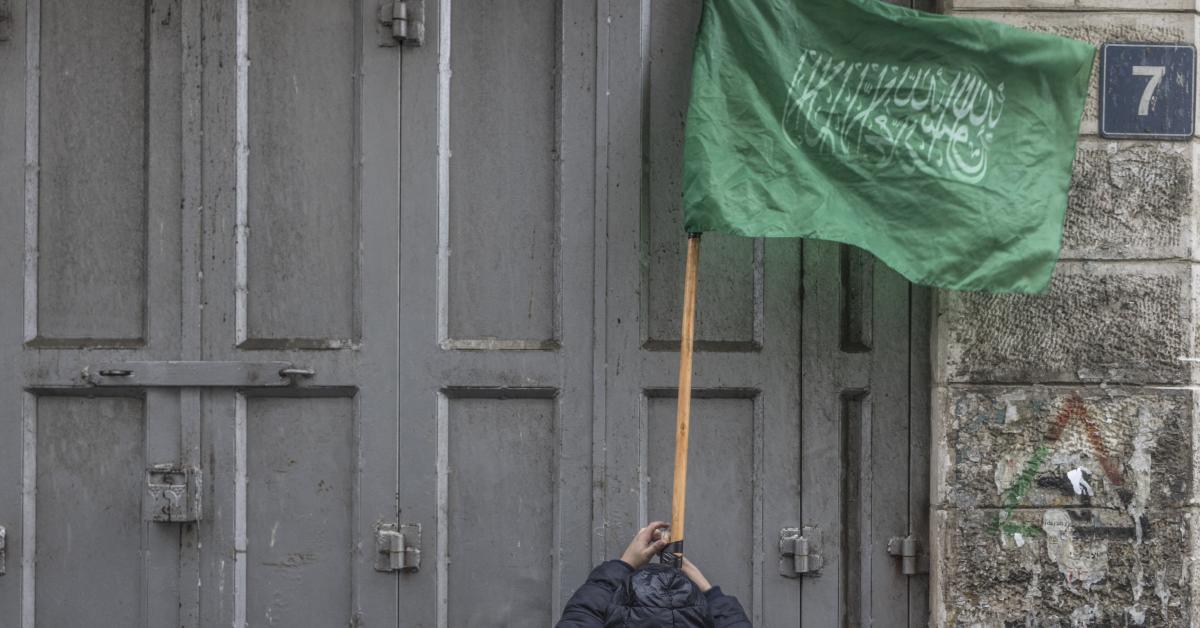
A San Diego man has been charged in connection with conspiring to send material support to Hamas, claiming to raise money for humanitarian aid in Gaza but in fact funneling funds to Hamas and keeping some for personal use, the Justice Department said Wednesday.
The department has brought a total of five criminal charges against Reda Mazen Rida Sabassi, 38, in connection with terrorism, evading sanction, wire fraud, money laundering and making a false statement.
Sabassi was arrested Tuesday in San Diego and appeared before U.S. Magistrate Judge Steve B. Chu in the Southern District of California.
Hamas is a Sunni Islamist Palestinian nationalist political group that the State Department has designated as a Foreign Terrorist Organization. The group has been at war with Israel in the Gaza Strip since its October 2023 terror attack on Israelis.
Sabassi allegedly worked with the Hamas fundraising organization Gaza Now and other co-conspirators to operate these online fundraisers.
Since 2022, Sabassi has allegedly used his social media accounts, crowdfunding websites and purported charity, Ikram, or the Arab Charity Foundation Inc., claiming to raise money for humanitarian aid for people in Gaza to solicit donations around the world, including from individuals in the United States, also according to the Justice Department.
From about December 2023 and February 2024, Sabassi allegedly raised about $600,000 and sent roughly $116,000 to a Hamas member and allegedly attempted to convert about $382,000 of the cash into cryptocurrency to send to Hamas through Gaza Now.
“As alleged in the complaint, the defendant exploited the barbaric acts of terror perpetrated on October 7, 2023, to attract donors to his fraudulent ‘humanitarian’ causes,” said Assistant Attorney General for National Security John A. Eisenberg.
Sabassi also allegedly supported Hamas online publicly including creating an hour-long video about Oct. 7 and posting that video to at least two social media accounts.
His charges carry maximum penalties of five to 20 years per count. While these are statutory maximum penalties prescribed by Congress, the sentencing of the defendant is to be determined by a judge.