Iran Closes Strait of Hormuz Despite Israel, Hezbollah Agreeing to Ceasefire
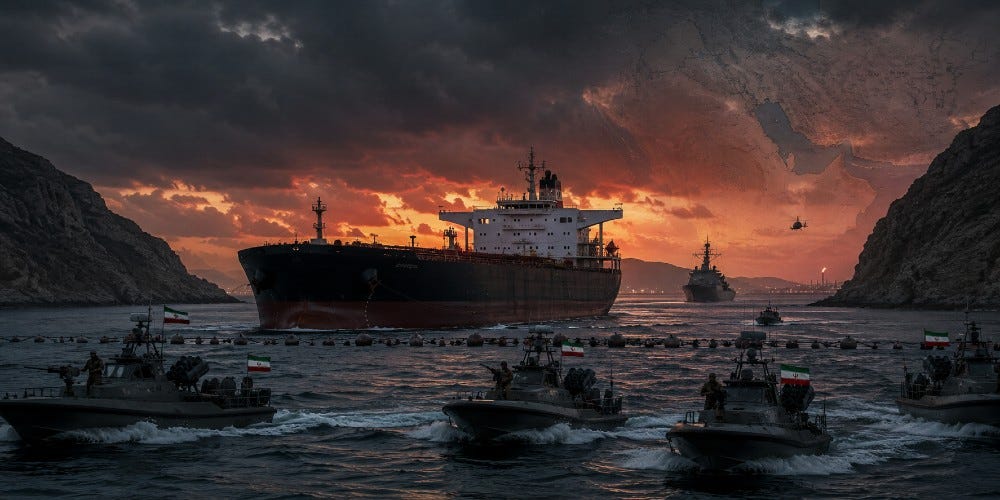
The saber-rattling Iranian regime continued its pattern of duplicity with Tehran once again declaring the Strait of Hormuz closed. This reversal comes mere hours after the United States lifted its naval blockade as part of a freshly signed memorandum of understanding with the Islamic Republic.
The Islamic Revolutionary Guard Corps issued the announcement over maritime radio, demanding the complete withdrawal of Israeli forces from southern Lebanon and the full removal of American forces from the region. Iran claims the partial nature of the blockade lift violates the agreement signed just days ago between President Trump and Iranian President Masoud Pezeshkian.
It’s the latest example of a fundamental truth about dealing with regimes that have spent decades perfecting the art of nuclear blackmail and maritime extortion. The strait, through which roughly one-fifth of global oil supplies once flowed, remains a chokepoint vulnerable to the whims of a theocratic dictatorship that views chaos as a strategic asset.
Timing and Pretexts Reveal Calculated DefianceThe IRGC’s statement explicitly ties the closure to Israel’s continued operations against Hezbollah in Lebanon, despite the memorandum’s call for respecting Lebanese sovereignty. Israeli Prime Minister Benjamin Netanyahu has made clear that security zones must remain to protect northern Israeli towns from terrorist threats. Meanwhile, reports indicate that a ceasefire understanding between Israel and Hezbollah may be in place, yet Iran seizes on any ambiguity to justify renewed disruption.
US Central Command confirmed the blockade lift on Iranian ports Thursday, allowing vessels to resume transit. Yet Iran now insists this was insufficiently “complete,” exploiting the phased timeline outlined in the agreement. As one open-source intelligence expert noted, the memorandum’s wording created exploitable gaps that hardliners in Tehran are eagerly widening.
“Since Israel’s withdrawal from Lebanon, the complete lifting of the naval blockade, and the withdrawal of American terrorist forces from the Persian Gulf and the region are among the main conditions... the Strait of Hormuz will remain closed until these conditions are met.”
Any vessel defying the directive, the IRGC warned, will be targeted. This is the same regime that has mined waters, seized tankers, and disrupted global commerce for years while decrying Western “aggression.”
The Fragility of Paper Agreements with Rogue StatesThe memorandum, hailed as a step toward de-escalation, promised 60 days of toll-free passage and phased sanctions relief in exchange for Iranian restraint. Nuclear talks, originally scheduled for Friday in Switzerland, have now been postponed. Iran’s newly formed Persian Gulf Strait Authority is already floating new “terms and conditions” for shipping, including permits that could pave the way for future fees despite current prohibitions.
Critics rightly point out that this episode reveals the inherent weakness in negotiating with an adversary whose word has proven worthless time and again. History is littered with examples of authoritarian regimes using temporary concessions to regroup and rearm.
The current situation echoes past Iranian provocations, where economic desperation from sanctions and military pressure forced temporary retreats, only for provocations to resume once breathing room was granted.
For Americans and our allies dependent on stable energy markets, the stakes could not be higher. Oil prices, which spiked dramatically during earlier closures, remain sensitive to any renewed threat in this vital waterway. Global supply chains, already strained, cannot afford another round of Iranian gamesmanship.
Biblical Wisdom for Discerning Deception in GeopoliticsAs believers called to test all things and hold fast to what is good, we recognize the spiritual dimension at work in these conflicts. The Apostle Paul warned in Ephesians 6:12 that “we wrestle not against flesh and blood, but against principalities, against powers, against the rulers of the darkness of this world, against spiritual wickedness in high places.”
Iran’s pattern of broken promises and manufactured crises demands vigilance, not naive optimism about diplomatic breakthroughs.
The United States must maintain a posture of strength rooted in moral clarity. Rewarding bad behavior with premature concessions has never produced lasting peace. True security in the region requires deterring Iranian aggression, supporting Israel’s right to defend itself, and ensuring freedom of navigation for all peaceful commerce.
This latest closure serves as a sobering reminder that peace through strength remains the only reliable path when confronting adversaries who respect neither treaties nor human life. As events unfold, Americans should pray for wisdom for our leaders and discernment for our nation in navigating these treacherous waters.