‘The Wire’ Actor James Ransone Dead at 46 in Apparent Suicide
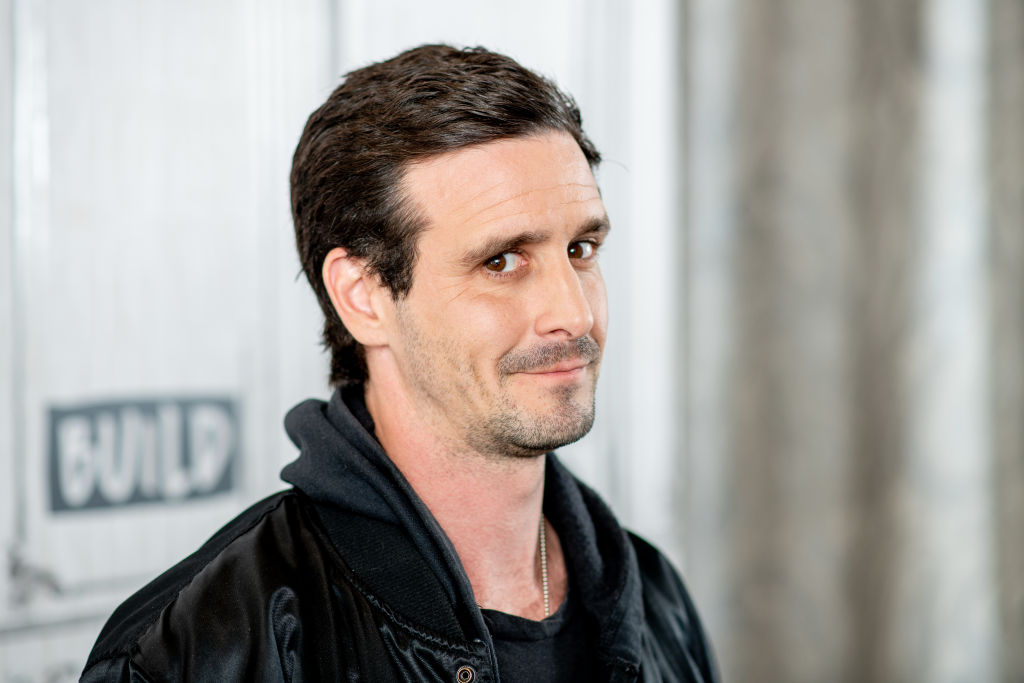
James Ransone’s work on screen once made him a recognizable face to fans of gritty HBO dramas. Now, the actor is being remembered for a career shaped by intensity, vulnerability, and a willingness to confront his past — one that ended far too soon.
According to the New York Post, authorities in Los Angeles confirmed that Ransone died by suicide on Friday. He was 46.
Records from the Los Angeles County Medical Examiner listed the cause of death as “hanging” and identified the location as a “shed.”
Ransone was married and the father of two children. His wife, Jamie McPhee, highlighted a fundraiser for the National Alliance on Mental Illness (NAMI) in her social media profile following his death.
Best known to many viewers for his turn as Ziggy Sobotka in Season 2 of The Wire, Ransone embodied the troubled, hard-luck son of a Baltimore dock worker, played by Chris Bauer. He appeared in 12 episodes in 2003, during a period when the acclaimed HBO drama was building its reputation as one of television’s defining crime sagas.
The Wire ran from 2002 to 2008 and featured an ensemble cast including Dominic West, Michael Kenneth Williams, John Doman, Idris Elba, Wood Harris, Lance Reddick, Wendell Pierce, Frankie Faison, and Lawrence Gilliard Jr.
Ransone continued working steadily for HBO after his breakout. His résumé included roles in Generation Kill, Treme, and Bosch. His final TV appearance came earlier this year when he turned up in a Season 2 episode of Poker Face, which aired in June.
He also built an extensive film career. His credits include Prom Night (2008), Sinister (2012), Sinister 2 (2015), Tangerine (2015), Mr. Right (2015), It Chapter Two (2019), The Black Phone (2021), and Black Phone 2 (2025).
Should more attention be given to mental health awareness and resources after Ransone's passing?
Support: 0% (0 Votes)
Oppose: 0% (0 Votes)
In 2021, Ransone publicly shared that he was a survivor of sexual abuse. He accused his former tutor, Timothy Rualo, of assaulting him numerous times at his childhood home in Phoenix, Maryland, in 1992.
Ransone described the alleged trauma in a statement posted to Instagram. “We did very little math,” he wrote. “The strongest memory I have of the abuse was washing blood and feces out of my sheets after you left. I remember doing this as a 12-year-old because I was too ashamed to tell anyone.”
He said the abuse fueled a “lifetime of shame and embarrassment,” leading to alcoholism and heroin addiction. After achieving sobriety in 2006, Ransone wrote that he was “ready to confront” his past and later contacted Baltimore County police in 2020.
A detective told him that prosecutors “had no interest in pursuing the matter any further,” according to the actor’s email.
Ransone had been open about his struggles long before that point. In a 2016 Interview Magazine story, he said he became sober at age 27 “after being on heroin for five years.”
“People think I got sober working on the ‘Generation Kill,’” he said. “I didn’t. I sobered up six or seven months before that. I remember going to Africa, and I was going to be there for almost a year. I was number two on the call sheet, and I was like, ‘I think somebody made a mistake. This is too much responsibility for me.’”
Fans and colleagues now face the loss of a performer whose on-screen intensity reflected a life marked by struggle, talent, and a relentless drive to move forward.