2014 Obama Speech Resurfaces To Show Party Shift
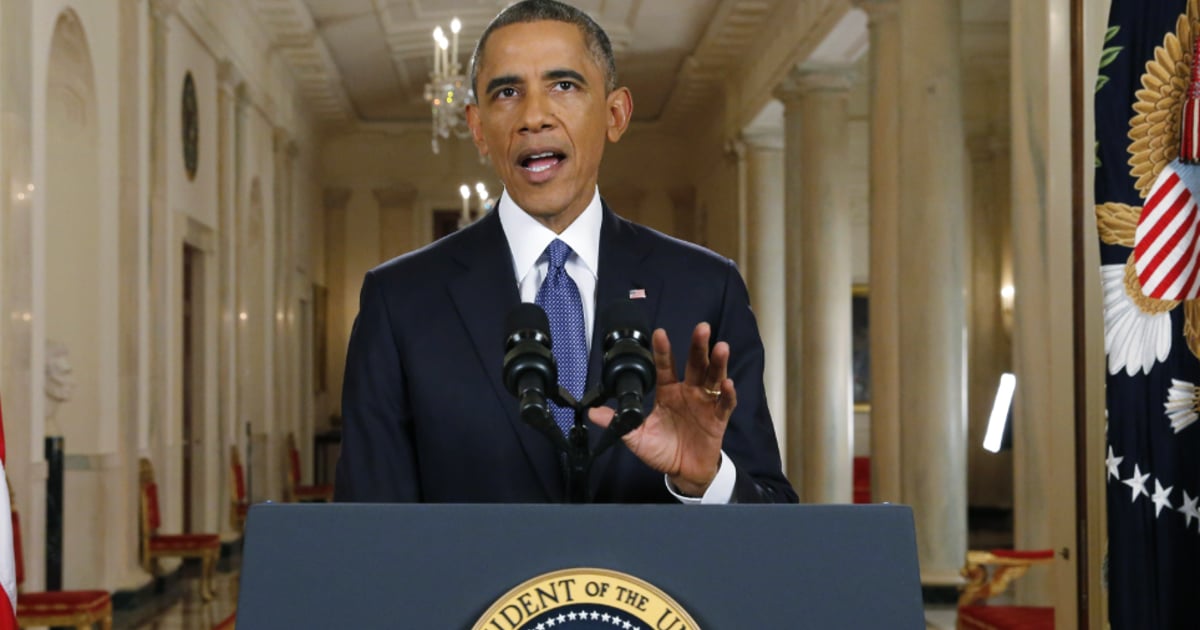
Obama’s position was not the same as Donald Trump’s, and it would be misleading to pretend otherwise. He supported legal status for some undocumented immigrants, defended executive action, and spoke in more sympathetic terms about people who had lived in the country for years. Still, much of his language would sound surprisingly firm in the […]
Obama’s position was not the same as Donald Trump’s, and it would be misleading to pretend otherwise. He supported legal status for some undocumented immigrants, defended executive action, and spoke in more sympathetic terms about people who had lived in the country for years. Still, much of his language would sound surprisingly firm in the current political climate.
In the speech, Obama described the immigration system as a problem that required “common sense” laws. He said his administration would devote additional resources to the border, support law enforcement efforts to reduce illegal crossings, and speed up the removal of people who entered the country unlawfully.
He also called for making it easier for highly skilled immigrants, graduates, and entrepreneurs to remain in the United States and contribute to the economy. At the same time, he argued that the government needed a realistic way to address the millions of undocumented immigrants who were already living in the country.
That combination was central to Obama’s message: stronger enforcement, expanded legal immigration for people with valuable skills, and limited relief for long-term residents who met certain requirements.
Obama also emphasized that immigration enforcement should focus on people who posed a genuine threat.
“We are also a nation of laws,” he said, adding that people who violated immigration laws should be held accountable, especially those considered dangerous. He pointed to an increase in the deportation of criminals during his administration and said enforcement resources should remain focused on security threats.
His preferred phrase was memorable: “Felons, not families. Criminals, not children. Gang members, not a mom who’s working hard to provide for her kids.”
Advertisement
In a related speech, Obama issued an even more direct warning. Criminal offenders would be deported, he said, and people planning to enter the United States illegally would face a greater chance of being caught and returned.
At the same time, he proposed temporary protection for certain immigrants who had lived in the country for more than five years and had children who were citizens or legal residents. To qualify, they would have to register with the government, pass a background check, and pay taxes.
That was not a call for open borders. It was an attempt to divide immigration enforcement into categories: remove dangerous offenders, discourage future illegal entry, protect the border, and provide limited relief to some established residents.
The Democratic Party’s immigration politics have changed considerably since then. During the 2019 Democratic presidential primary debates, candidates publicly supported extending government health coverage to undocumented immigrants. Other Democratic politicians have increasingly focused on the abuses of the immigration enforcement system, the treatment of migrants, and the humanitarian consequences of deportation.
Part of the shift can be explained by changing conditions and changing voters. Immigration became one of the most emotionally charged issues in American politics. Activist groups gained influence within the Democratic coalition, and younger progressive voters demanded policies that placed greater emphasis on humanitarian concerns and immigrant rights.
Trump also played a major role.
From the beginning of his political rise, he made border security, illegal immigration, and mass deportation central themes of his campaigns. His language was often harsher than that used by previous presidents, and his policies became a defining symbol of his administration.
Advertisement
As Trump moved immigration policy in a more aggressive direction, Democrats increasingly defined their position in opposition to him. Proposals that might once have received bipartisan support became associated with Trump and were therefore treated with greater suspicion.
That reaction is understandable in some cases. Opposition parties are supposed to challenge policies they believe are harmful or excessive. But reflexive opposition can also make it difficult to maintain consistent principles. A border policy should not be considered reasonable when proposed by one president and unacceptable when proposed by another simply because of party identity.
The more useful question is not whether Democrats should copy Trump’s immigration agenda. It is whether the party can still acknowledge that border enforcement, legal immigration, public safety, and humanitarian treatment must all be part of the same conversation.
Obama’s 2014 remarks reflected that kind of balance. His approach was imperfect and controversial, but it recognized that a country can support immigrants while still enforcing its laws. Today’s debate would benefit from less political reflex and more of that practical distinction.