Trump Administration Declares Toxic Sewer Sludge Not a Threat to Public Health
Sign up to see the future, today
Can’t-miss innovations from the bleeding edge of science and tech
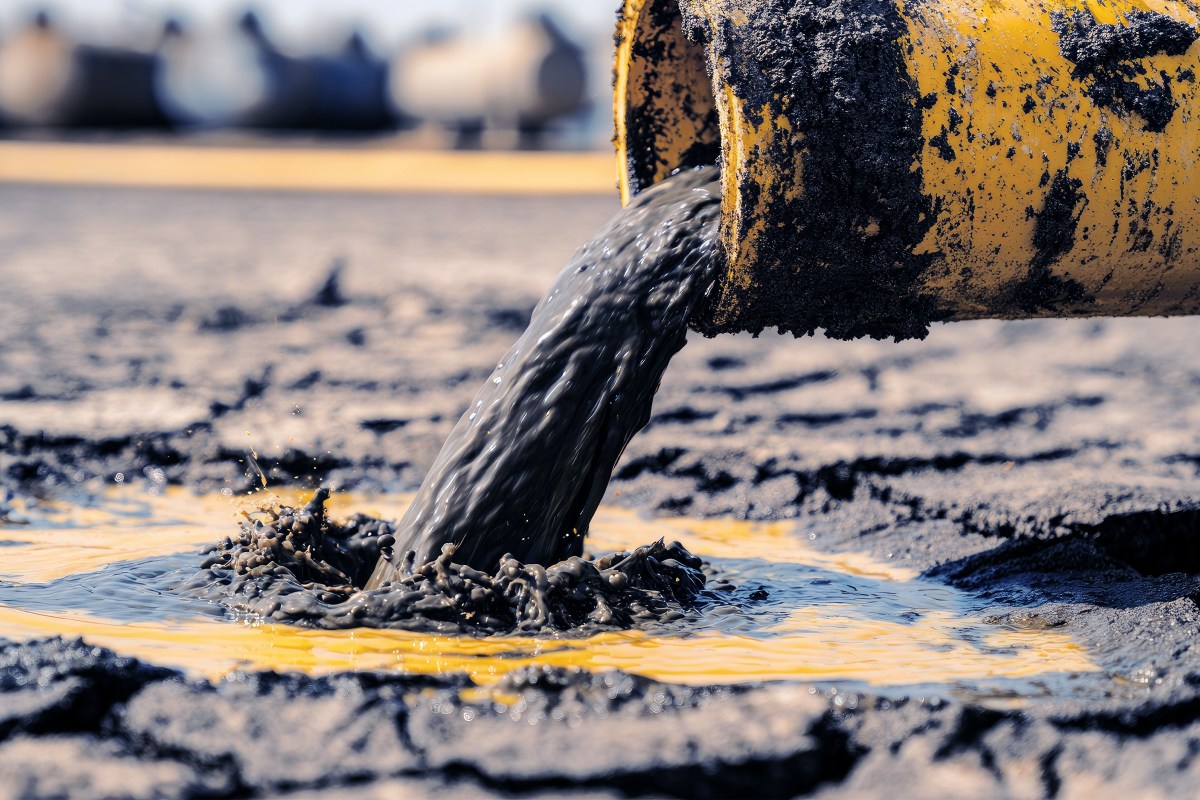
Consumers and agricultural workers rejoice: the Trump administration has killed a key regulation meant to keep toxic human and industrial waste sludge from our food supply, because toxic sludge is apparently not a threat to public health.
On Monday, the Guardian reported that the Environmental Protection Agency is tossing out a major body of research that formed the basis for regulations which would have effectively limited the amount of sewage byproduct we’re allowed to spray into the environment.
The research, published not even two years ago, was conducted in order to study the consequences of toxic PFAS “forever chemical” compounds in treated sewer sludge — called “biosolids” in the wastewater treatment industry. The findings showed that any amount of PFAS above 1 part per billion in sewer sludge used as fertilizer represents an increased cancer risk for farmers, as well as consumers.
That’s a problem, because previous EPA tests have found PFAS levels as high as 9.4 parts per billion in sludge used for agricultural purposes.
The Trump administration, however, says that’s not a problem, because it’s not like we’re spraying biosolids on everything — and so what if a few farm workers get cancer? In a nine-page draft memorandum released by the agency’s Office of Water, the EPA justified the decision by blasting previous EPA research, saying that earlier study created a “misconception” that “all biosolids and sewage sludge use and disposal practices will negatively affect the public.”
“Currently data does not indicate that there are widespread impacts to the food supply from biosolids containing PFOA and PFOS at the national level, and the general public is not likely to be exposed to sewage sludge-impacted foods,” the new draft insists. “The EPA estimates that sewage sludge is applied to less than 1 percent of America’s farmland annually.”
As with any data coming out of the Trump administration, these factual claims should be taken with a hefty grain of salt. Even assuming that basic assertion is correct, it still leaves the farmers and agricultural workers laboring on that farmland exposed.
“It’s shocking for the EPA to take a scientific assessment and simply throw it out,” Laura Dumais, an attorney with the non-profit Public Employees for Environmental Responsibility told the Guardian. “Basically, they’re saying: farmers’ lives don’t matter.”
It’s also a particularly grim decision in light of the cyclospora outbreak currently roiling the US. Though cyclospora is a parasite and not a type of PFAS, studies have identified agricultural biosolids as a potential source of the gut-busting organism in the food supply. (Also noteworthy is the fact that the company broadly suspected to be responsible for the outbreak, Taylor Farms, made a substantial donation to Donald Trump’s MAGA Inc just days after the FDA pushed back a major regulation on food traceability.)
And as the Trump administration strips regulations that would clamp down on sewer sludge contamination in industrial agriculture, it acknowledges that “approximately 20 percent of sewage sludge managed each year is sold directly to the public or applied to sites where the public might be exposed.”
Rather than continuing with regulations that would make the public safer, the new EPA memorandum advises Americans to “research the supplier of the sewage sludge” and avoid “application of sewage sludge in locations where children may have access to the soil.”
For public health advocates like Dumais, the move amounts to a complete dereliction of the EPA’s duty to the public.
She told the Guardian that “it’s shocking that the EPA is willing to throw all of these people under the bus and the EPA’s solution here is ‘do your own research — we’re not going to regulate anything, so if you think it’s dangerous then figure it out for yourself.'”
More on Trump: Trump Administration Scrapping Nuclear Energy Rules Requiring Plants to Keep Radiation Levels “As Low as Reasonably Achievable”