Facebook Billionaire Funds War on Meat While Enjoying Steak
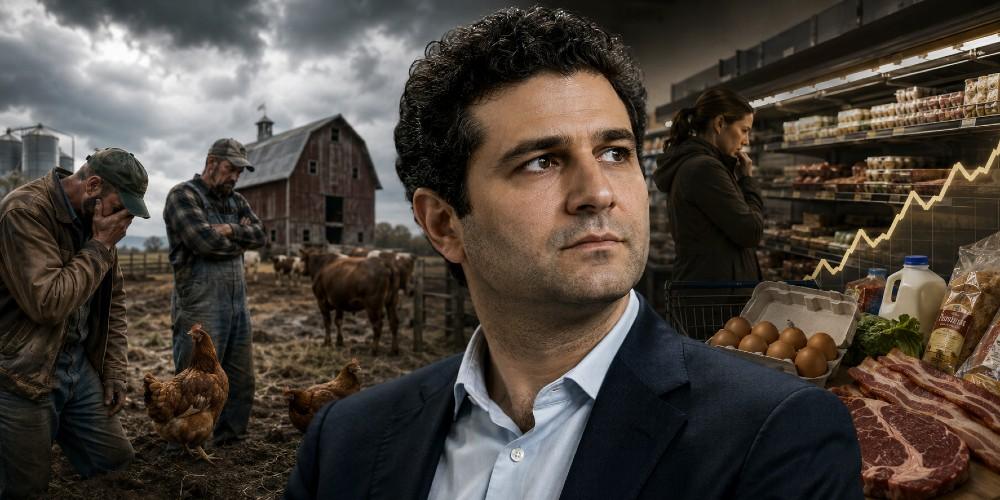
Dustin Moskovitz, the co-founder of Facebook who built a fortune alongside Mark Zuckerberg, has emerged as one of the most aggressive financial backers of the anti-meat movement. Through his “philanthropic” vehicles, he has funneled nearly half a billion dollars into activist campaigns aimed at reshaping American agriculture.
Yet Moskovitz himself openly admits to eating meat and feeling better for it. This glaring contradiction reveals more than personal inconsistency — it exposes a pattern of elite control over the everyday choices of ordinary Americans.
The billions Moskovitz helped generate from social media have been redirected, in part, to make bacon, eggs, and beef more expensive and harder to produce. Coefficient Giving, formerly known as Open Philanthropy, and the associated Good Ventures foundation have distributed over $480 million since 2016 to organizations like The Humane League, Mercy For Animals, and The Good Food Institute.
These groups pursue ballot measures, corporate pressure, lawsuits, and media campaigns that target conventional farming practices.
California’s Proposition 12 serves as a prime example. Backed by millions from Moskovitz-linked entities, the measure imposed strict space requirements for animals and mandated cage-free eggs. While sold as a humane reform, it forced farmers to absorb massive compliance costs, which they passed on to consumers. Small operations, already squeezed by inflation and regulations, face existential threats.
One Sonoma County poultry farmer described activist raids and regulatory overreach that raised production expenses while increasing disease risks for his flock.
Industry voices note that these efforts form a sophisticated network. The same funding flows support media projects, including multimillion-dollar grants to The Guardian for series on factory farming that often cite the very organizations receiving Moskovitz money.
Consumers encounter higher grocery bills without realizing the coordinated pressure behind them. Meanwhile, Good Ventures maintains a substantial stake in Impossible Foods, positioning the foundation to gain if meat alternatives capture more market share as traditional options grow costlier.
This is not mere philanthropy. It represents a top-down effort to remake the food system according to the preferences of Silicon Valley billionaires and Effective Altruism ideologues. Farmers and ranchers who steward land, animals, and communities through generations of practical knowledge find themselves lectured and litigated by activists with little hands-on experience.
As one producer observed, these campaigns often misunderstand or deliberately distort the realities of responsible animal husbandry.
Moskovitz’s personal habits add a layer of irony impossible to ignore. In interviews, he has discussed enjoying meat and its positive effects, yet his foundations bankroll efforts that stigmatize and economically penalize the very practices he engages in. Democratic megadonor credentials aside, this selective asceticism for the masses while elites indulge privately echoes historical patterns of aristocratic double standards.
The broader implications extend beyond grocery prices. American agriculture embodies principles of dominion and stewardship rooted in the created order. When concentrated wealth distorts markets through political activism rather than innovation or competition, it undermines the liberty and prosperity that allow families to provide for themselves. Rural communities bear the brunt while urban elites signal virtue from afar.
Advocates claim sole motivation lies in reducing animal suffering. Yet the heavy investment in plant-based and lab-grown alternatives suggests a longer game: phasing out traditional livestock production altogether. Smaller farms, which often prioritize welfare through direct care, suffer disproportionately under one-size-fits-all mandates that favor industrial compliance over practical husbandry.
As Scripture reminds us in Genesis 1:28, God granted humanity dominion over the earth and its creatures, a responsibility exercised through wise cultivation rather than ideological elimination. “And God blessed them, and God said unto them, Be fruitful, and multiply, and replenish the earth, and subdue it: and have dominion over the fish of the sea, and over the fowl of the air, and over every living thing that moveth upon the earth.”
This charge calls for thoughtful care, not the disruption of God-given systems for abstract utopian goals.
Ordinary Americans deserve access to affordable, nutritious food produced through time-tested methods that respect both animals and those who raise them. When billionaires fund crusades that drive up costs and limit choices, they reveal priorities disconnected from the realities most families face. True compassion would seek improvements through partnership with producers, not engineered scarcity that benefits investment portfolios.
The Moskovitz model highlights a troubling trend: unelected wealth shaping policy and culture to suit personal philosophies while exempting practitioners from the consequences.
Consumers noticing higher prices for staples should recognize the activist machinery at work — and demand accountability from those who preach sacrifice from positions of unassailable privilege.