Americans Back Trump’s Iran Peace Deal
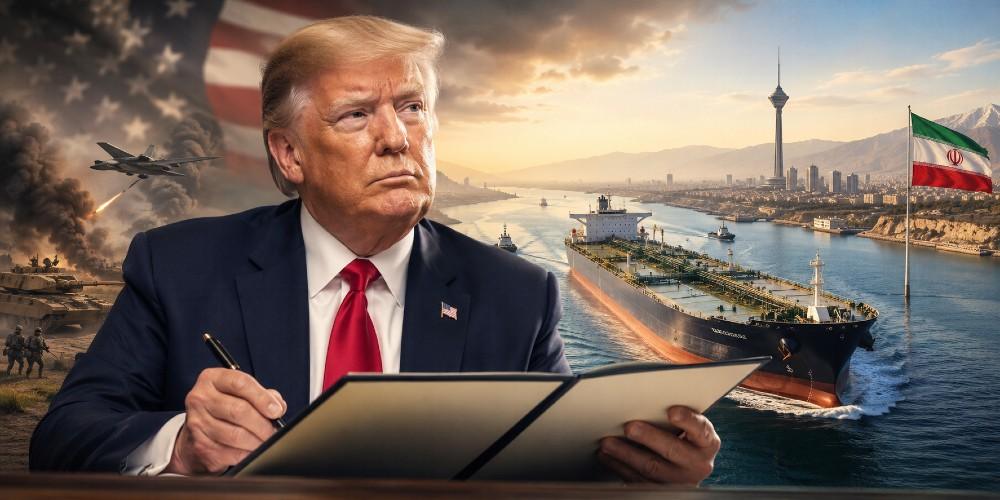
In a striking rebuke to the foreign policy establishment that thrives on perpetual entanglement, a new poll reveals that 62 percent of likely voters support President Donald Trump’s Memorandum of Understanding with Iran aimed at ending recent hostilities.
Far from the quagmire some predicted, Trump’s approach—leveraging strength to secure a framework for peace—resonates with Americans exhausted by wars that drain resources better spent at home.
This deal, signed in June, outlines concrete steps: halting military operations, reopening the Strait of Hormuz for global commerce, rolling back select sanctions, and setting a 60-day timeline for deeper negotiations on Iran’s nuclear ambitions.
Critics on the left and among some hawks have decried it as concession, yet the numbers tell a different story. Even 50 percent of Kamala Harris voters back the agreement, while Trump voters show 77 percent support. Trump’s overall approval among likely voters has ticked up to 44.4 percent in the poll’s wake.
The Big Data Poll, conducted June 26-28 with a margin of error under 2 percent, underscores a broader truth: voters prioritize domestic focus over endless Middle East adventures. As poll director Rich Baris noted, the conflict was never popular, and its resolution offers Republicans a path forward if peace holds.
Contrast this pragmatic outcome with the legacy of prior administrations. Barack Obama’s Iran deal funneled billions to the regime while it advanced its nuclear program under the cover of diplomacy. Joe Biden’s weakness invited aggression, escalating tensions that boiled over into open conflict. Trump, by contrast, demonstrated resolve—targeted actions paired with off-ramps for de-escalation.
The result? Oil flowing freely again, reduced threat of wider war, and a framework demanding verification on nukes.
Of course, the usual suspects in legacy media have spun this as weakness or surrender. Yet polls consistently show Americans want the fighting to stop, not prolonged engagement that benefits defense contractors more than the average family. Even some initial Republican enthusiasm has faced scrutiny over details like temporary sanctions relief, but the broader public sees the wisdom in avoiding another forever war.
Trump has been clear: this is no blank check. He has warned Iran of consequences should it fail to honor commitments, maintaining the leverage that brought Tehran to the table. Reopening the Strait of Hormuz stabilizes energy markets, benefiting American consumers already strained by inflation.
It is diplomacy backed by demonstrated strength, not the naive multilateralism that empowered adversaries for decades.
This moment highlights a deeper cultural divide. While globalist elites bemoan any deal short of regime change, everyday Americans—conservatives and many independents—recognize the folly of nation-building and proxy conflicts.
Trump’s deal prioritizes American interests: secure borders at home, economic vitality, and peace through strength abroad. It rejects the left’s instinct for entanglement or appeasement.
As Scripture reminds us in the book of James, “Blessed are the peacemakers: for they shall be called the children of God” (Matthew 5:9).
Trump’s willingness to pursue a deal amid hostility reflects this wisdom, seeking resolution without sacrificing vigilance against a regime long hostile to liberty and faith.
The coming weeks will test the agreement’s durability. Negotiations on Iran’s nuclear program must yield ironclad verification, not the porous promises of the past. Republicans in Congress should demand transparency and enforcement mechanisms. Yet the public’s support signals that voters trust Trump’s instincts over the doomsayers who predicted endless chaos under his leadership.
In the end, this poll is more than numbers—it is a mandate for realism. America does not need to be the world’s policeman, bleeding treasure in theaters far from home. Trump’s Iran framework offers a model: deter aggression, secure concessions, and refocus on the homeland.
If sustained, it could mark a turning point away from neoconservative overreach and toward a foreign policy that puts Americans first. The left may rage, but the people have spoken. Peace, when achieved through strength, serves the cause of freedom and faith.