Is Your Fast-Food Soda Full Of Bacteria And Slime?
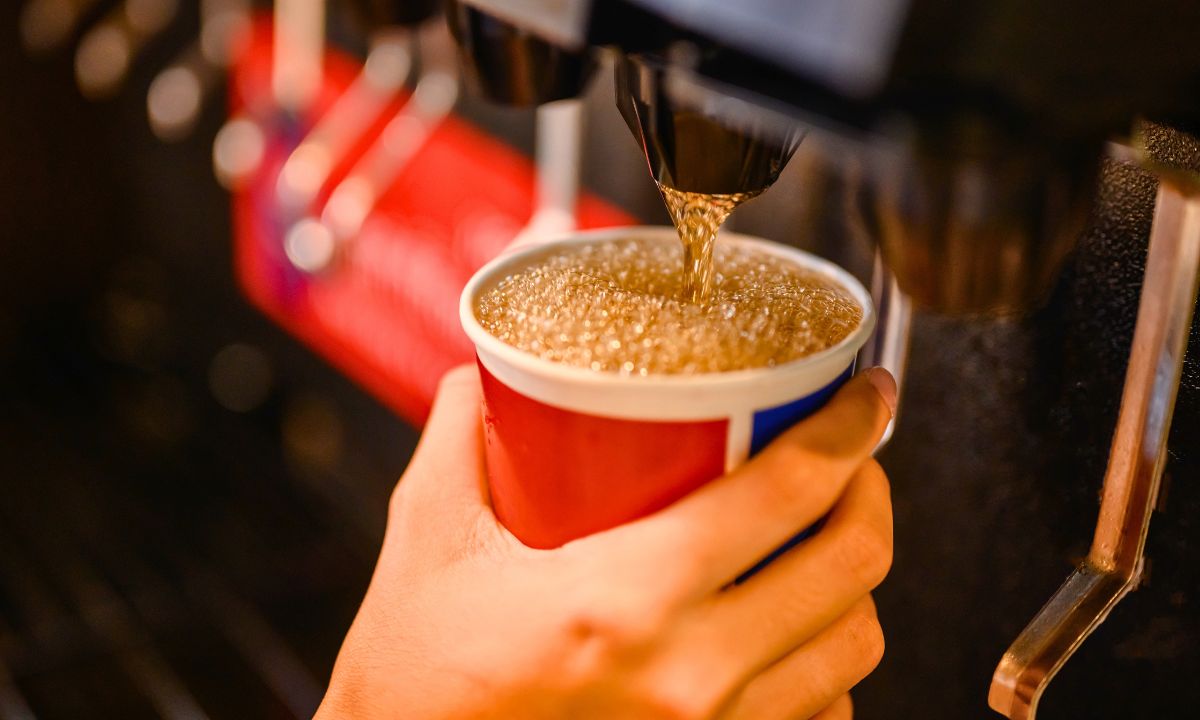
Is Your Fast-Food Soda Full Of Bacteria And Slime? | Image by Garun .Prdt/Shutterstock
A viral video circulating on social media this week shows a fast-food worker pulling thick, brownish, slimy gunk from the tubing beneath a soda dispenser, sparking widespread discussion about hygiene in restaurant beverage stations.
The footage, often captioned as revealing “soda gun snakes,” highlights biofilm — a sticky community of bacteria that thrives in warm, sugary, moist environments inside drink machines.
A soda machine repairman reveals what the tubing inside soda fountains looks like at the majority of fast-food restaurants.
“This comes from your soda fountains. Water, syrup, and sugar create this bacteria, which feeds on that buildup.” pic.twitter.com/WIWC2FehRG
— Right Angle News Network (@Rightanglenews) June 18, 2026
Health experts note that while drains under dispensers collect spills and are not part of the drink lines, the video has drawn renewed attention to real maintenance issues with soda fountains.
Biofilm and Bacteria in Soda MachinesStudies have repeatedly documented bacterial contamination in soda fountains. A 2010 study published in the International Journal of Food Microbiology tested 90 beverages from 30 soda fountains in Virginia and found that 48% contained coliform bacteria, an indicator of possible fecal contamination, while 11% tested positive for E. coli.
A 2023 study by researchers at Loma Linda University in California analyzed water samples from fast-food soda fountains and found coliform bacteria in 41% of samples, with some containing pathogens such as Salmonella and Pseudomonas aeruginosa. Biofilms were identified as a key issue in the plastic tubing and nozzles.
Industry Guidelines and EnforcementMajor beverage companies and health departments require daily cleaning of soda nozzles and weekly deep cleaning of lines. The Coca-Cola bar gun cleaning guide, for example, instructs staff to disassemble, soak parts in sanitizer, and brush nozzles daily.
Local health departments conduct routine restaurant inspections, but soda lines are not always sampled for bacteria. Enforcement varies by jurisdiction, and busy locations sometimes fall behind on weekly deep cleans. Microbiologists who have tested machines report that 1–5% of locations show concerning levels of contamination when sampled.
Reported Illnesses and Legal CasesWhile large-scale outbreaks directly linked to soda fountains are uncommon, individual cases have led to complaints and lawsuits. Customers have reported gastrointestinal illness after consuming fountain drinks, and some have pursued legal action against chains.
Class-action lawsuits have also been filed over foreign objects, such as worms in McDonald’s sodas, in recent reports. Experts emphasize that immunocompromised individuals, children, and older adults face higher risks from potential pathogens.
What Consumers Can DoPublic health officials recommend checking soda nozzles for visible slime or residue. Many advise opting for canned or bottled drinks when possible, or requesting drinks without ice, which can harbor additional buildup in machines. Proper maintenance by restaurants remains the primary defense against biofilm formation.