Country Hunts Toxic Wood-Biting Fish Invading Mediterranean Sea
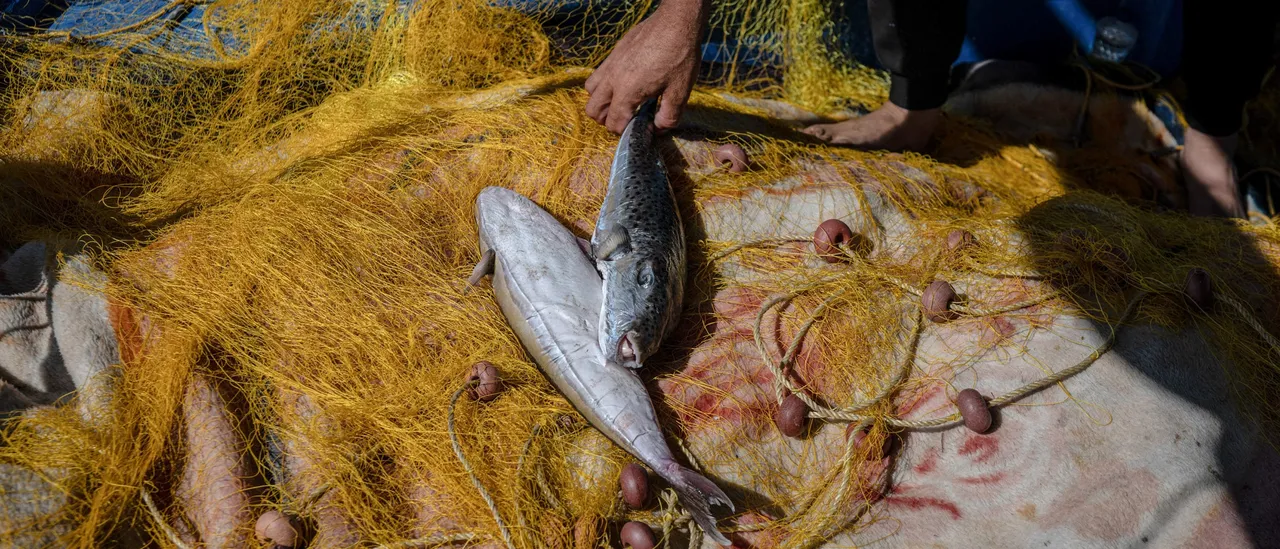
Greek fishermen can now collect cash for every toxic fish they drag from the water thanks to a government campaign targeting an invasive species that rips through nets and clamps its teeth onto wood and metal.
The silver-cheeked toadfish () carries tetrodotoxin, a neurotoxin able to stop a human heart if the fish is eaten, according to The Associated Press (AP). The species first turned up in Greek waters around 2005, having crossed the Suez Canal from its native Indo-Pacific range, The Telegraph reported. Warmer seas get much of the blame, though the fish has been pushing west for two decades — a slow march rather than a sudden arrival.
Off Crete, the fish have turned each outing into a gamble. “It’s got to the point where we might go out fishing one day and then spend the next three days fixing our nets,” Giorgos Kyriakakis of a Cretan fishermen’s association told Greek broadcaster ERT, according to the AP. Fisherman Alexis Charalampakis told AFP, “If one of these bites you, it will take your finger clean off. They are the destruction of the sea.” (RELATED: Sea Lion Charges At Fisherman, Steals Yellowfish Tuna In Incredible Display Of Thievery)
Greece will pay 5.33 euros per kilogram (roughly $2.75 per pound) for the fish, then freeze and incinerate the haul, the AP reported. Agriculture Minister Margaritis Schinas called it “the first time that such a measure has been taken in Greece.”
🇬🇷 Greek fishermen struggle with invasive pufferfish
With massive teeth and a voracious appetite, pufferfish are ruining Greek fishing nets and wreaking havoc on local fish stocks, with warming seas allowing the invasive species to spread through the eastern Mediterranean. pic.twitter.com/SS8Vpu3PMI
— AFP News Agency (@AFP) June 27, 2026
Cyprus tried the approach first. Fishermen there have pulled nearly 103 tons of silver-cheeked toadfish since June 2024, according to the GreekReporter.
Injuries remain rare. An elderly woman needed stitches after a bite while swimming near Athens, according ot The Telegraph. An 8-year-old girl in southern Turkey lost a finger, IBTimes UK reported.
Still, several experts say the fear outpaces the danger. The poison harms only those who eat the fish, marine scientist Stefanos Kalogirou noted, according to GreekReporter. “The bite has nothing to do with the toxin,” he said.
Sixteen medical and tourism groups on Crete told the AP that swimmers face no “imminent danger” and that “exaggeration is often a feature of public debate.”