'Lethal Weapon' Star Reveals Tragic Diagnosis
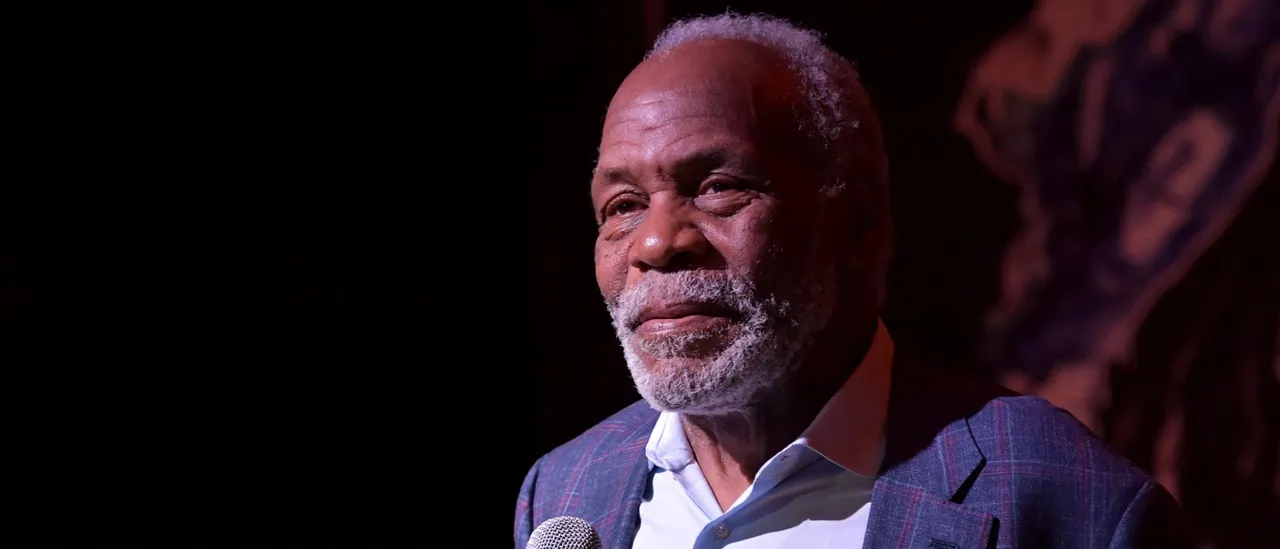
Danny Glover has quietly battled a disease that steals memory for years, and now the 79-year-old actor wants the public to know.
The “Lethal Weapon” star disclosed his Alzheimer’s diagnosis in interviews with TODAY and People released on July 1. The illness has dulled the actor’s movement, speech and recall, though he still goes to events near his San Francisco home, according to TODAY.
“I could live with it, in a sense,” Glover told NBC Nightly News host Lester Holt. He first learned of the condition in or around 2022, close to the night he accepted an honorary Oscar called the Jean Hersholt Humanitarian Award. (RELATED: Co-Founder Of Legendary Rock Band Chicago, Walter Parazaider, Dead At 81)
Glover’s family joined the interview to explain why he chose to speak now. His daughter, Mandisa, said honesty mattered more than a comfortable silence. “I think it’s really important for him to have control of his own narrative, of his own life story,” she told TODAY. His younger brother, Martin, pledged to stand by him. “It’s my turn,” Martin said.
Glover gave a separate interview to People, admitting he has not fully come to terms with the diagnosis. “I’m still not accepting in my mind all parts of it,” he said. “There are moments that you keep remembering that validate the fact that you can remember stuff. And there are moments I’ll never forget.” Even so, he rejected the idea that the diagnosis ends his story. “I don’t feel like it’s the end of my life. There’s work to do,” he told the magazine.
Glover has around 200 acting credits as of publication. He starred in all four of the “Lethal Weapon” films produced so far, as well as “Predator 2” and “The Color Purple.” In a well-known “Lethal Weapon 2” scene, his character gets trapped on a toilet rigged with a bomb, and fans still bring it up. “It’s events where somebody would bring their toilet up, and I would sign it,” he told TODAY.
A March 2020 fact sheet from the Washington Heights-Inwood Columbia Aging Project found that black Americans are roughly twice as likely as white Americans to develop Alzheimer’s or another form of dementia. The same research showed black patients often get identified in later stages, after the disease has done heavier damage.
The gap does not seem to stem from genetics, the fact sheet reported. Instead, it points to treatable conditions such as high blood pressure and diabetes.