Ebola Intensifies At Outbreak's Epicenter
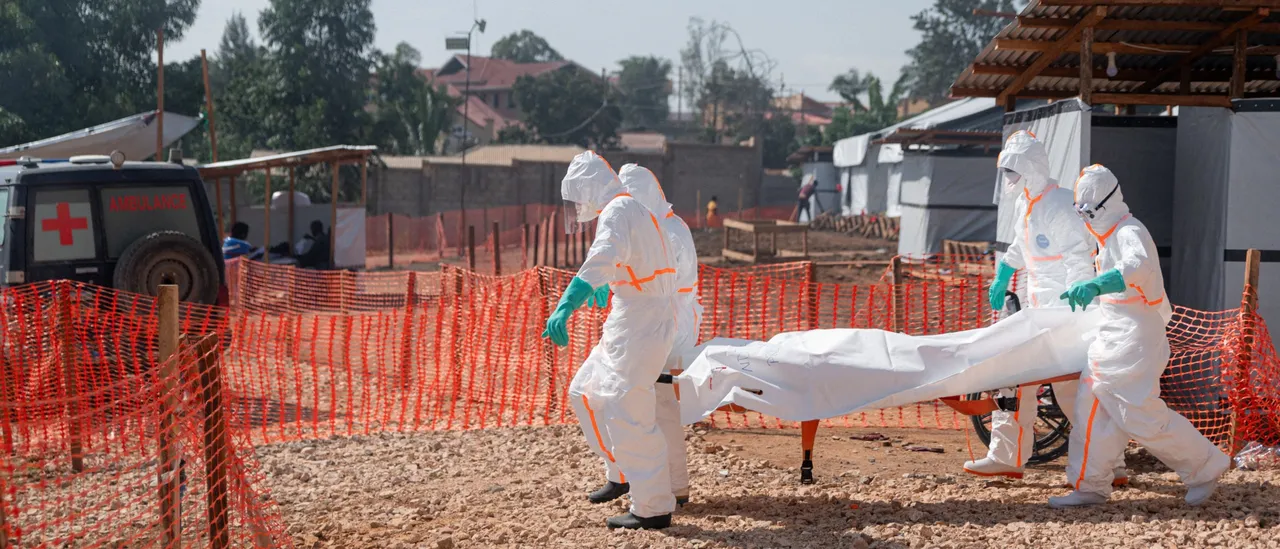
Ebola is tearing through eastern Congo faster than health teams can contain it, and the province at the center of the crisis keeps absorbing the worst of it.
Congo’s Health Ministry has logged 808 confirmed cases and 192 confirmed deaths, with 363 patients held in isolation as of June 15, according to the European Centre for Disease Prevention and Control (ECDC). Ituri province carries the heaviest load, with 738 confirmed cases spread across 20 health zones, the agency reported. North Kivu has recorded 67 cases and South Kivu three.
The danger that crowds pose to containment played out in Bunia, where Congolese security forces fired warning shots to scatter people attempting to seize the body of an Ebola victim from health workers, according to CBS News. The workers were removing the corpse to protect the community, since the dead remain highly infectious. (RELATED: US, Other Countries Restrict Travel From Ebola Outbreak’s Epicenter)
Investigators believe the official count understates the true reach of the virus. “One month after the outbreak has been declared, I’m still feeling concerned,” WHO Incident Manager Dr. Marie-Roseline Belizaire told CBS News. Deaths surfacing in the community signal undetected infections, she said, “and that means we are missing cases.”
There are many challenges in the #Ebola Bundibugyo outbreak in #DRC, but as the response gets a toehold, under the government’s leadership, there are positives: communities are working together, new laboratories are open, and some patients have recovered and have been discharged.… pic.twitter.com/q3tQyjx3mE
— World Health Organization (WHO) (@WHO) June 14, 2026
Tracing those exposed has lagged. Congolese health workers have reached only a little over half of known contacts, leaving roughly 3,000 people unaccounted for, according to CBS News.
The response is buckling under a war that never paused for the virus. The region faces ongoing clashes between Congolese security forces and regional anti-government militias, some backed by neighboring Rwanda. WHO Director-General Tedros Adhanom Ghebreyesus warned that insecurity and population movement have made it “nearly impossible” to trace contacts and isolate the sick, according to the United Nations. “We cannot build community trust or isolate the sick while bombs are falling,” he said.
CDC modeling found this is already the largest Bundibugyo outbreak on record. However, it could rank among the largest Ebola outbreaks ever. Isolation rates will determine whether cases stay in the hundreds or climb past 10,000. No vaccine or treatment exists for the strain, according to the U.S. Centers for Disease Control and Prevention (CDC).