Chicken Is the Most-Eaten Meat—How to Maximize Its Benefits
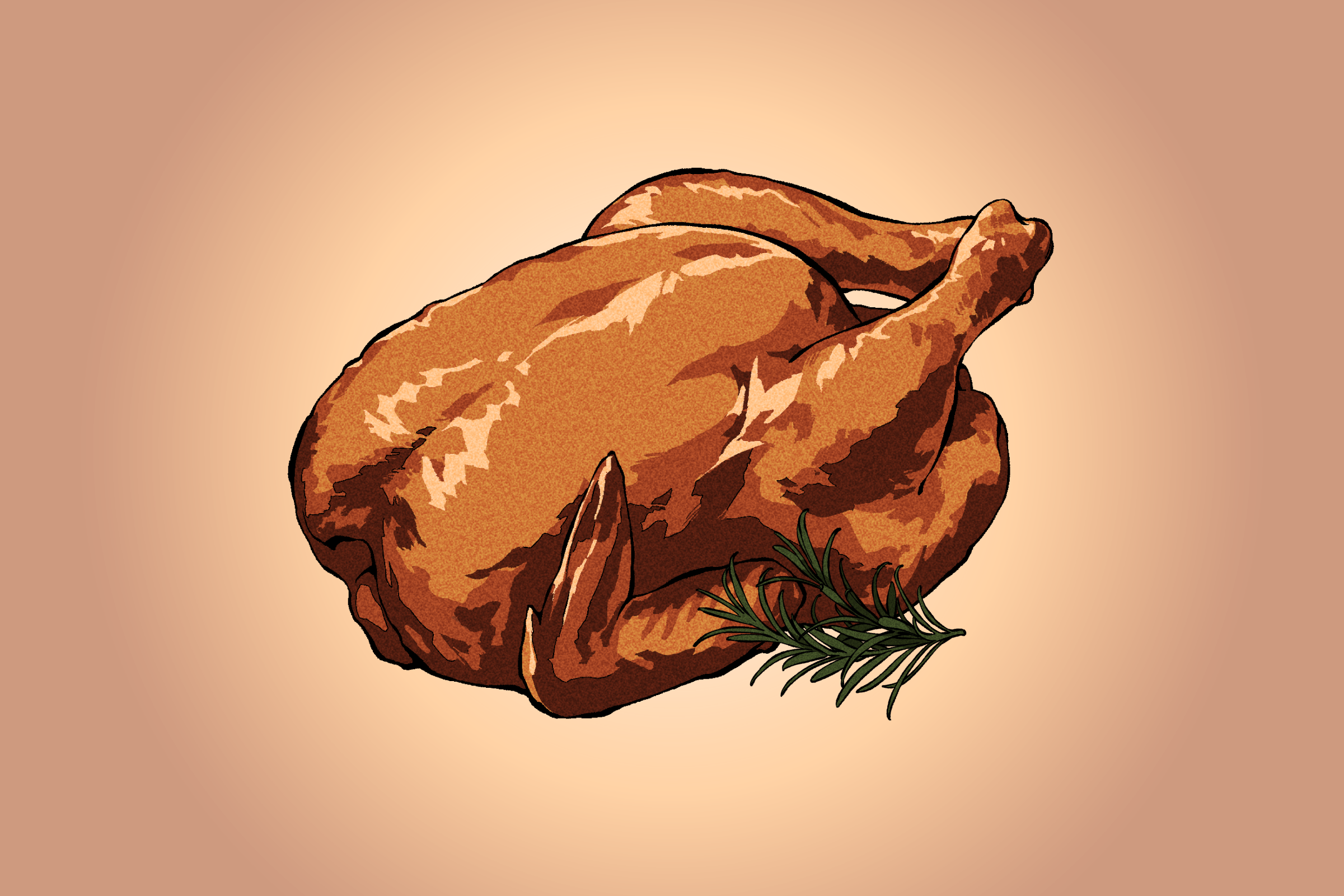 Illustration by Ran/The Epoch TimesIllustration by Ran/The Epoch TimesChicken has quietly become America’s favorite meat, with consumption more than tripling since the 1960s. Beyond its role as a basic protein, chicken also provides essential nutrients including niacin, vitamins B6 and B12, zinc, selenium, and iron.
“Chicken is valuable because it delivers all of these micronutrients in a single source,” Gretchen Zimmermann, a registered dietitian and spokesperson for the Academy of Nutrition and Dietetics, told The Epoch Times in an email.
Whether you fill your plate with a skinless breast, juicy dark meat thigh, or crispy wing, this humble bird delivers.
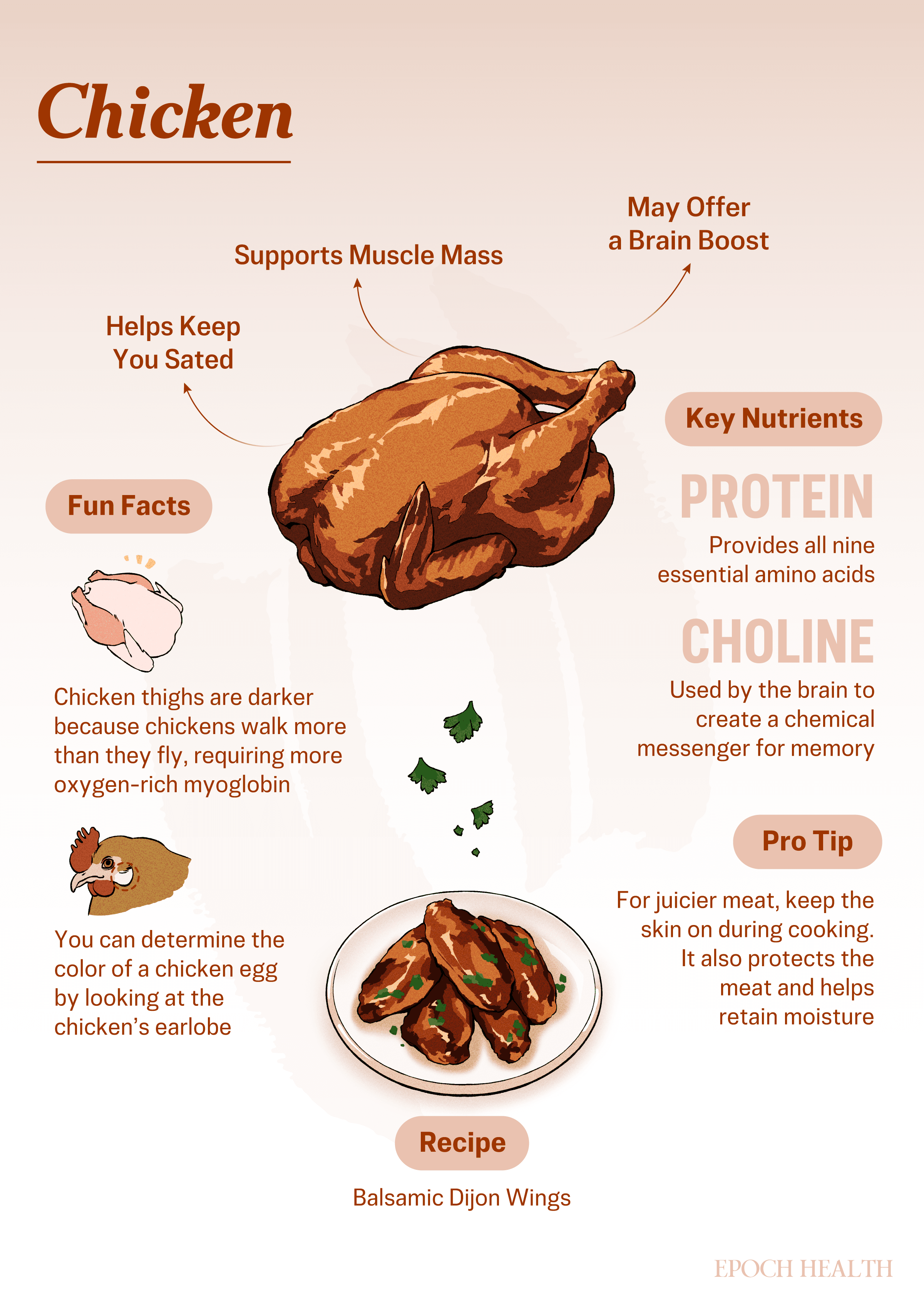 Illustration by Ran/The Epoch Times“The most common misconception is labeling white meat as good and dark meat as bad. The nutritional differences between them are actually quite small,” Zimmermann said.
Here’s how a standard 3.5-ounce serving—about the size of a deck of cards—of both light and dark meat cooked chicken stack up:
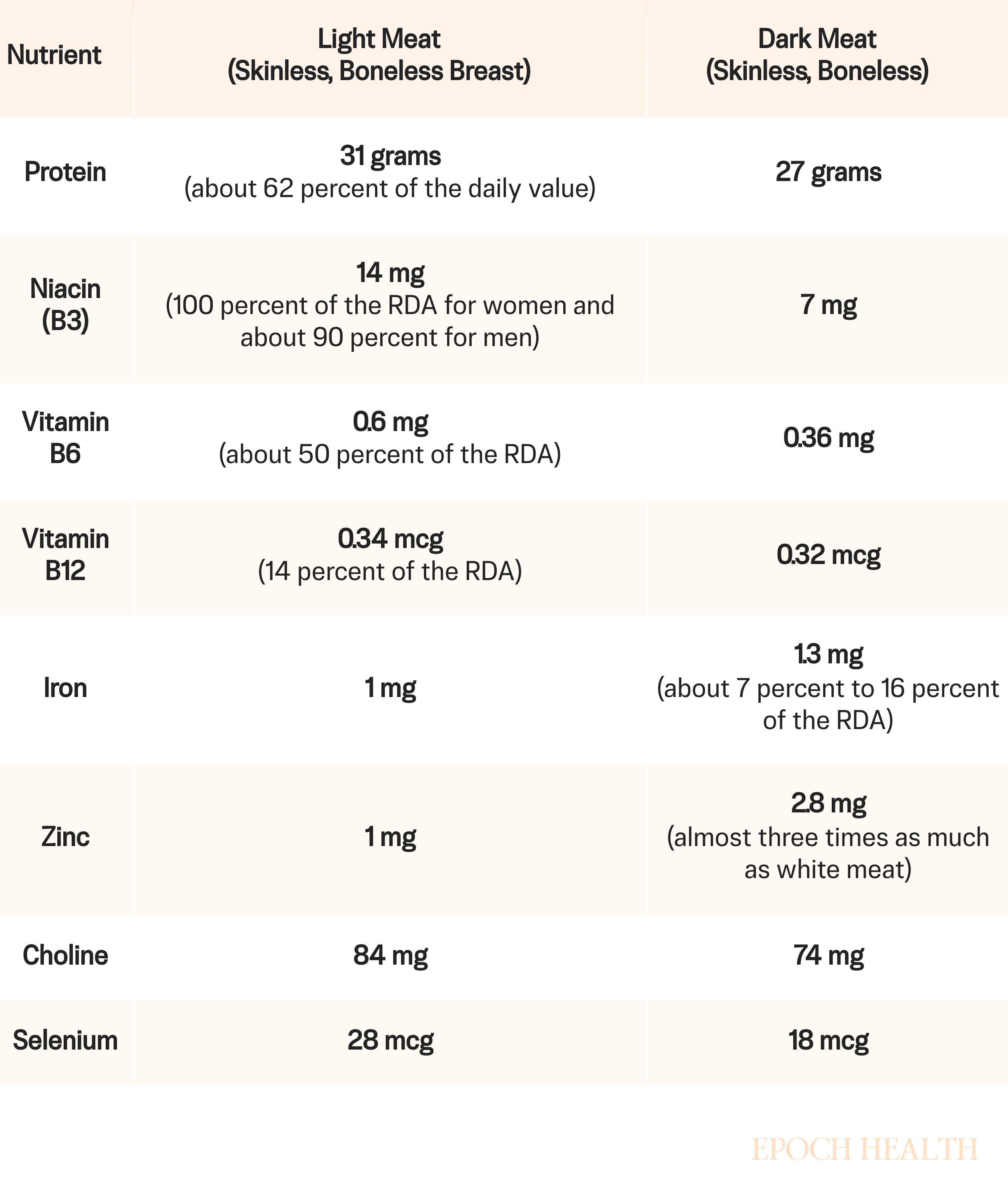 Illustration by Ran/ The Epoch TimesPremium Picks

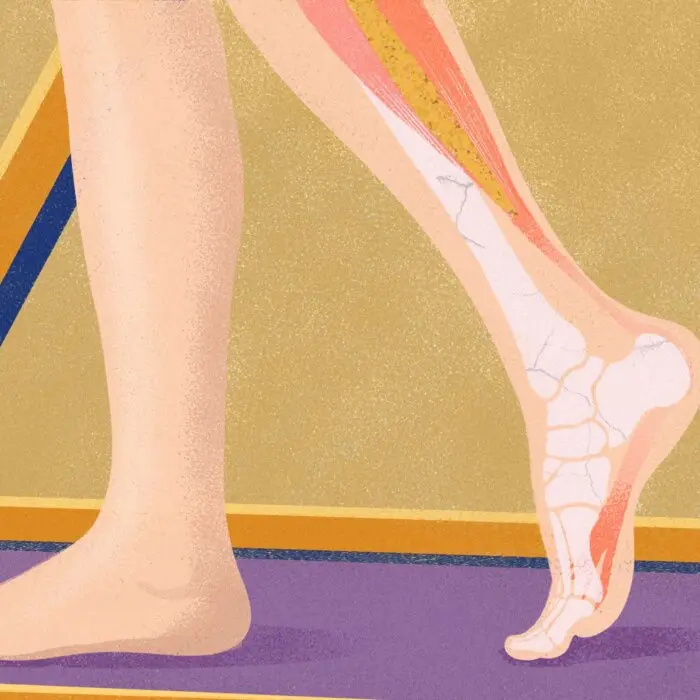
Chicken offers a range of benefits that support muscle health, satiety, and overall long-term health.
“As a practicing dietitian, I often recommend including chicken as part of a balanced eating pattern,” Jessica Clancy-Strawn, a registered dietitian nutritionist, told The Epoch Times.Supports Muscle MassChicken protein supports muscle maintenance and growth in older adults, especially when combined with resistance exercise. A randomized trial published in Physiology Reports studied senior women and found that combining resistance training and eating about 22.5 grams of protein from chicken three times a week led to greater increases in muscle strength and lean body mass than either intervention alone. Eating chicken alone also modestly increased lean mass.Chicken is a complete protein, meaning that it provides all nine essential amino acids that your body cannot make on its own, including leucine, a key amino acid that helps stimulate muscle protein synthesis.“For muscle maintenance and healthy aging, this complete profile is essential,” Zimmermann said.
As we age, we naturally lose muscle mass and function, she said. Eating high-quality protein, such as chicken, helps counteract decline by providing the building blocks needed to repair and retain lean tissue.
“In terms of body composition, this supports a higher metabolic rate, since muscle burns more calories at rest than fat tissue, making it easier to maintain a healthy weight and functional strength over time,” Zimmermann said.
Leucine activates the mTOR pathway, the body’s signaling system for building new muscle, especially when combined with resistance training.Helps Keep You SatedBoth white and dark meat chicken can help promote fullness and support appetite control by lowering ghrelin, the primary hunger hormone, and increasing GLP-1 and other satiety-related hormones.A 2020 meta-analysis found that hormonal changes from high-protein meals were associated with increased feelings of fullness and reduced hunger, desire to eat, and expected food intake in healthy adults.“Protein suppresses hunger hormones and takes longer to digest,” Zimmermann said.May Offer a Brain BoostChicken may also support aspects of cognitive function. A 2021 meta-analysis published in Nutritional Neuroscience found that daily consumption of “essence of chicken,” a concentrated chicken extract, was associated with modest improvements in cognitive function, particularly working memory.“Chicken is an excellent source of choline, a nutrient the brain uses to create acetylcholine. This chemical messenger is essential for memory, mood, and learning,” Zimmermann said.
Tryptophan, the amino acid that is often linked to post-Thanksgiving turkey sleepiness, is also used to make serotonin. Pairing chicken, a source of tryptophan, with carbohydrate-rich foods may help more tryptophan enter the brain and support serotonin synthesis.Additional BenefitsChicken can help your body turn food into energy. White meat, especially, is an excellent source of niacin and vitamin B6, two B vitamins that help convert carbohydrates, fats, and protein into usable energy.Dark meat can be especially useful nutritionally for athletes, women with heavy menstrual cycles, and those at risk of iron deficiency because it contains nutrients involved in red blood cell production and oxygen delivery.
“It contains more iron,” Clancy-Strawn said.
Chicken may also play a role in healthy aging through both its nutrient profile and its place in overall dietary patterns. It naturally contains carnosine and anserine, compounds concentrated in muscle tissue that are being studied for their antioxidant properties and potential roles in aging processes, including oxidative stress and muscle function. Higher levels are found in breast meat than in other cuts. Researchers are also exploring functional food approaches to enhance the levels of these compounds in chicken meat.In a study of nearly 20,000 older adults with frailty, each additional 25 grams per day of unprocessed poultry was associated with a lower risk of all-cause mortality, whereas processed meat was associated with the opposite.Chicken’s protein and micronutrients are already highly bioavailable, so no special preparation or food combining is needed to absorb most of the key nutrients. However, there are ways to maximize its nutritional benefits:“Baking, roasting, and grilling preserve the nutrients without adding unnecessary fat,” Zimmermann said.
For juicier meat, keep the skin on while cooking—it can be removed afterward if you prefer a leaner result.
“I often cook with the skin on because it protects the meat, helps retain moisture, and develops fantastic flavor,” Bernal said.
Although skin does add fat, the impact is moderate.
“The calorie difference between skinless and skin-on is relatively small,” Zimmermann said.
Most of the fat in skin is unsaturated fat, including oleic acid, the same heart-healthy fat found in olive oil. About 30 percent is saturated fat, while the remainder is monounsaturated and polyunsaturated fat.“Keeping [the skin] on for flavor and moisture is a perfectly reasonable choice within a balanced diet,” Zimmermann said.
Marinades made with yogurt, citrus, olive oil, herbs, or mild spices work by helping improve both flavor and texture, Bernal said.
Grandma was right—chicken soup may really help fight colds. Simmering chicken bones releases the amino acid cysteine, which helps thin out mucus.Keep a bag in the freezer for leftover bones and carcasses, then use them to make homemade broth. In addition to reducing food waste, bone broth creates a nutrient-rich, cold-fighting base for soups, stews, and sauces.
For maximum benefits, limit highly processed chicken products and frequent use of high-risk cooking methods such as deep frying, which can add excess sodium, unhealthy fats, and harmful compounds formed during high-heat cooking.
For better texture and flavor, try searing chicken on the stovetop first, then finishing it in the oven. This two-step method creates a crispy, golden exterior while keeping the inside juicy, and it also reduces the risk of smoking out your kitchen from high-heat pan cooking alone.
Chicken breasts are naturally teardrop-shaped, with one end thicker than the other, which can cause them to cook unevenly. To ensure more even cooking and prevent dryness, you can gently pound them to a more uniform thickness before cooking.Balsamic Dijon wings stay naturally juicy and tender thanks to the dark meat and are baked in a simple marinade that doubles as a lightly sweet, sticky glaze.Balsamic Dijon WingsTotal Time: 1 hour, 15 minutesServings: 3 to 4IngredientsInstead of relying on fast-food-style nuggets, homemade versions can be a simple alternative.
“You can slice chicken tenders, coat them lightly in whole wheat breadcrumbs, and air fry them at home,” Zimmermann said.
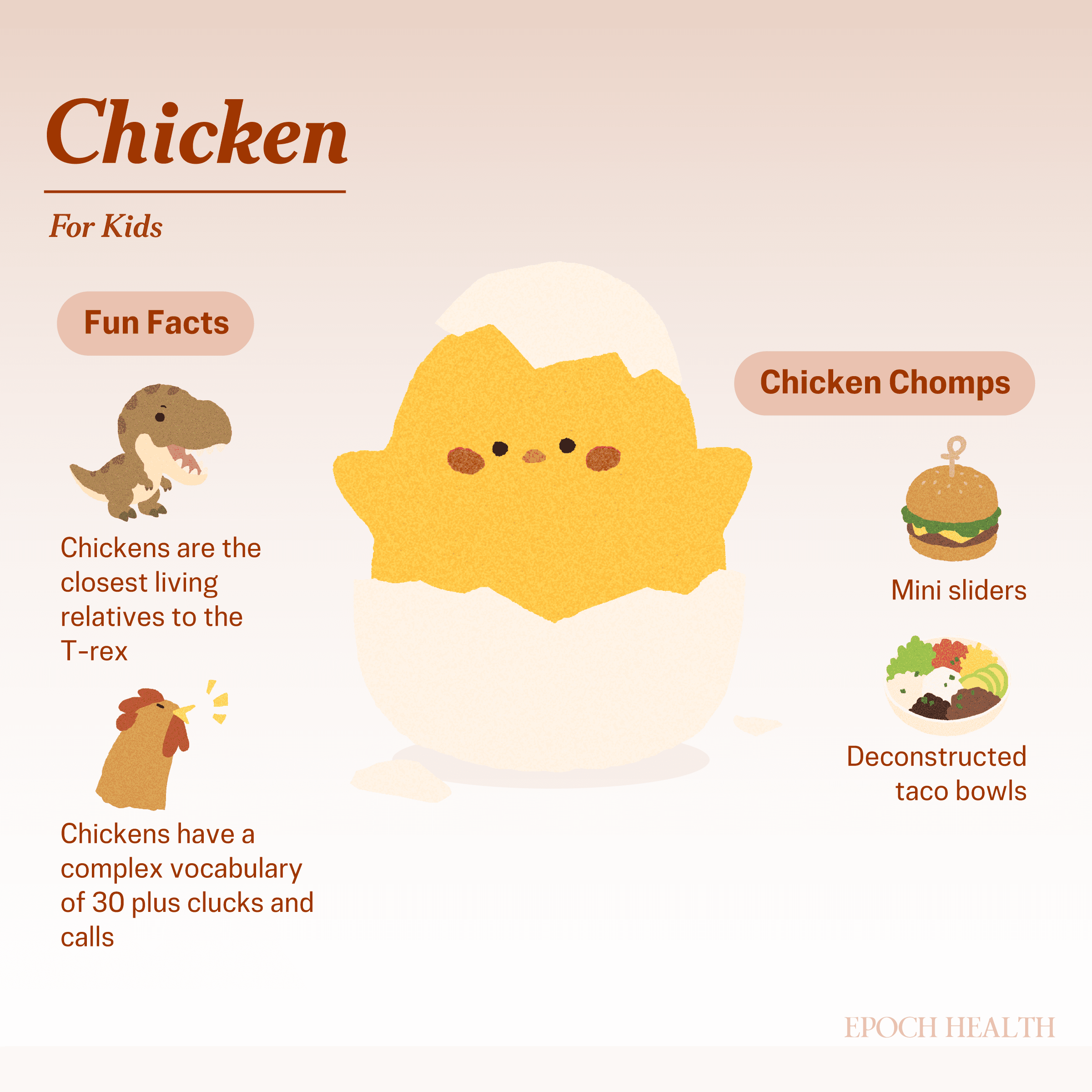 Illustration by Ran, The Epoch TimesFor dinner, pair chicken with complex carbohydrates such as sweet potato wedges, whole-grain pasta, or brown rice. Healthy carbs may help support the natural tryptophan–serotonin pathway, which plays a role in melatonin production and helps them settle down for bedtime.
For younger kids and toddlers, large chunks of meat can pose a choking risk, so shredded chicken is often a safer and more versatile option.
Clancy-Strawn also said that the naturally higher fat content in dark meat adds moisture and tenderness, making it easier for them to chew, swallow, and digest it.
Another kid-friendly option is to make meals interactive.
“Deconstructed taco bowls are a fun way to serve chicken,” Zimmermann said. “Set out small bowls of shredded chicken, black beans, corn, diced avocado, and a little cheese, and let kids build their own taco bowl or fill whole wheat tortillas. It makes mealtime more engaging and less intimidating for picky eaters.”
We had a problem loading this article. Please enable javascript or use a different browser. If the issue persists, please visit our help center.