US to Resume Mexican Cattle Imports After Yearlong Screwworm Ban
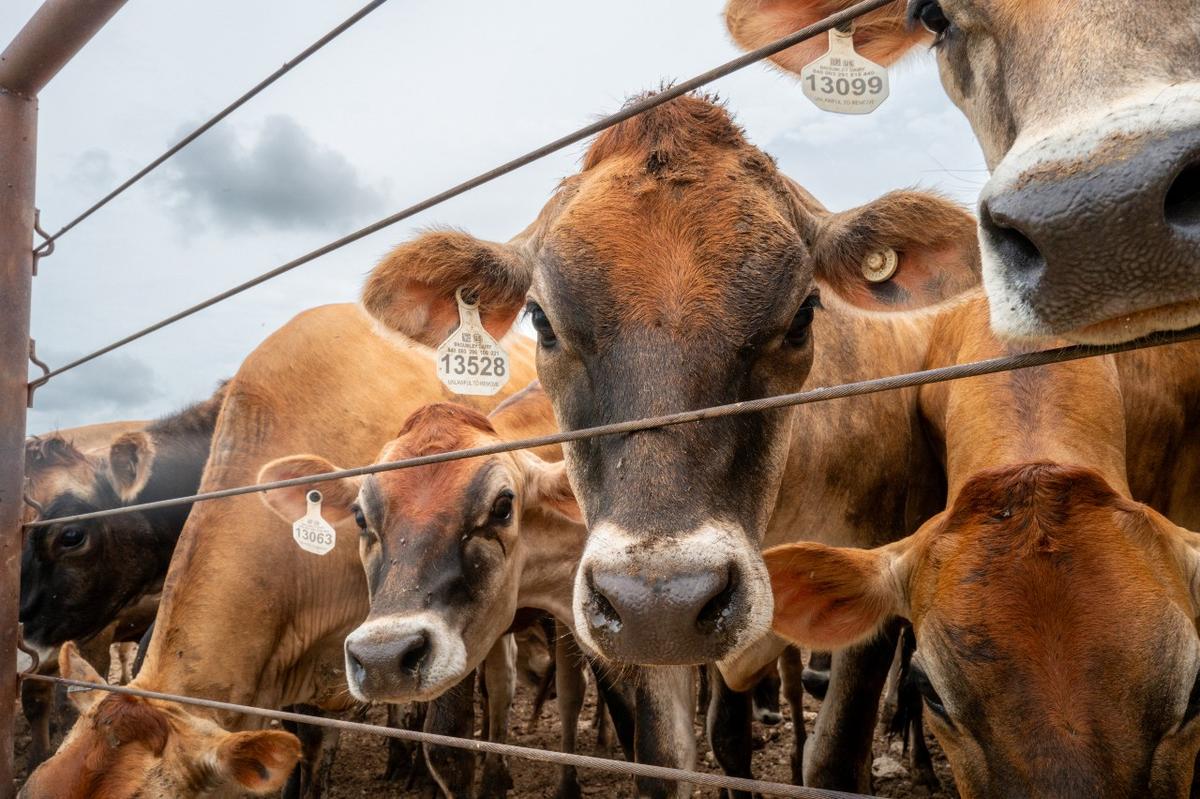 Cattle are herded in a stable in Hamilton, Texas, on June 5, 2026. Brandon Bell/Getty Images
The United States said on Friday it will end a ban on imports of Mexican cattle implemented more than a year ago to combat the New World screwworm (NWS), a flesh-eating livestock pest that has already made it into Texas and New Mexico.
In its announcement, the U.S. Department of Agriculture (USDA) said it would coordinate a phased reopening of southern cattle ports beginning Aug. 24.
USDA officials said the United States will first start taking Mexican cattle again at Douglas, Arizona, with two more ports in New Mexico to follow.
The reopening will be staged and depends on Mexico sticking to its New World screwworm control plan. Officials called the move safe to begin now.
Ports in Arizona and New Mexico sit farther from the heaviest infestations in Mexico, livestock traders noted, which lowers the immediate risk compared with Texas crossings.
“Every animal entering the United States through these ports will undergo a full USDA inspection to ensure it is free of any signs of New World screwworm (NWS),” the USDA said.
Related Stories
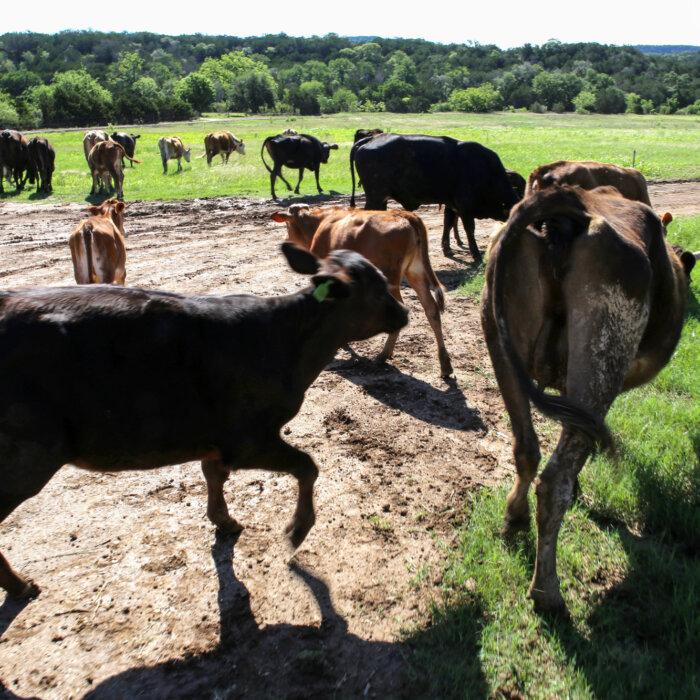 The United States suspended imports of live Mexican cattle and related livestock on May 11, 2025, as part of efforts to curb the spread of the parasite.
Also on Friday, Mexican President Claudia Sheinbaum said that she had directed local authorities to speed preparations for the reopening.
“I have instructed that we accelerate our work and collaboration with the United States even further to have everything ready as soon as possible to restart the movement of cattle,” she said in a post on X.“Exports will resume starting in the last weeks of August through Agua Prieta, Sonora, followed shortly thereafter by two additional points in the state of Chihuahua.”
The USDA said it has identified Sonora and Chihuahua as the lowest-risk Mexican states for New World screwworm due to their strong, well-established inspection programs and their geographic distance from southern Mexico, where most cases are concentrated.
On Friday, U.S. Secretary of Agriculture Brooke L. Rollins said, “The closure of the Southern ports of entry for the last year has been a tough but necessary action to control the spread of NWS in Mexico and protect the American livestock industry.”The New World screwworm is a parasitic fly whose females lay eggs in open wounds or mucous membranes of any warm-blooded animal. The hatched larvae burrow into living flesh and can kill the host if left untreated.
The pest has pushed north through Central America. It appeared in June on Texas farms and in New Mexico, representing the first confirmed U.S. cases since 2017. One early case involved a 3-week-old calf in south Texas, with others found in goats, calves, and a dog.Beef Industry in TurmoilThe United States typically imports more than 1 million head of cattle from Mexico each year, roughly 5 percent of the animals that go through American processing plants. Those calves usually head to U.S. feedlots for finishing, and prices spiked.
The decision also comes after domestic cattle supplies in the United States fell to a 75-year low. Beef prices rose to records this year, with meat processors struggling; Tyson Foods closed a large processing plant in Nebraska in January, and JBS said it would shutter one in Pennsylvania in mid-August.
The $100 billion U.S. beef industry contracted most sharply in Texas, the nation’s top cattle state.
Texas Agriculture Commissioner Sid Miller called the reopening the right thing for ranchers and consumers, though he said it should have happened earlier.
“While I’m pleased to see this important trade relationship restored, the prolonged closure has already taken a toll on producers, disrupted supply chains and created uncertainty that could have lasting consequences for the cattle industry,” Miller said.He added that while action has moved in the right direction, “the pace and scale of the screwworm response have not gone far enough.”
USDA has invested in sterile-fly production, which is the main tool used to push the pest back in past decades. It has renovated facilities in Mexico and activated dispersal sites in Texas.Yet production remains under the hundreds of millions of sterile flies needed weekly to push the infestation south, as the pest entered the country despite the ban.
We had a problem loading this article. Please enable javascript or use a different browser. If the issue persists, please visit our help center.