DOGE Announces It Was Officially Shut Down on July 4
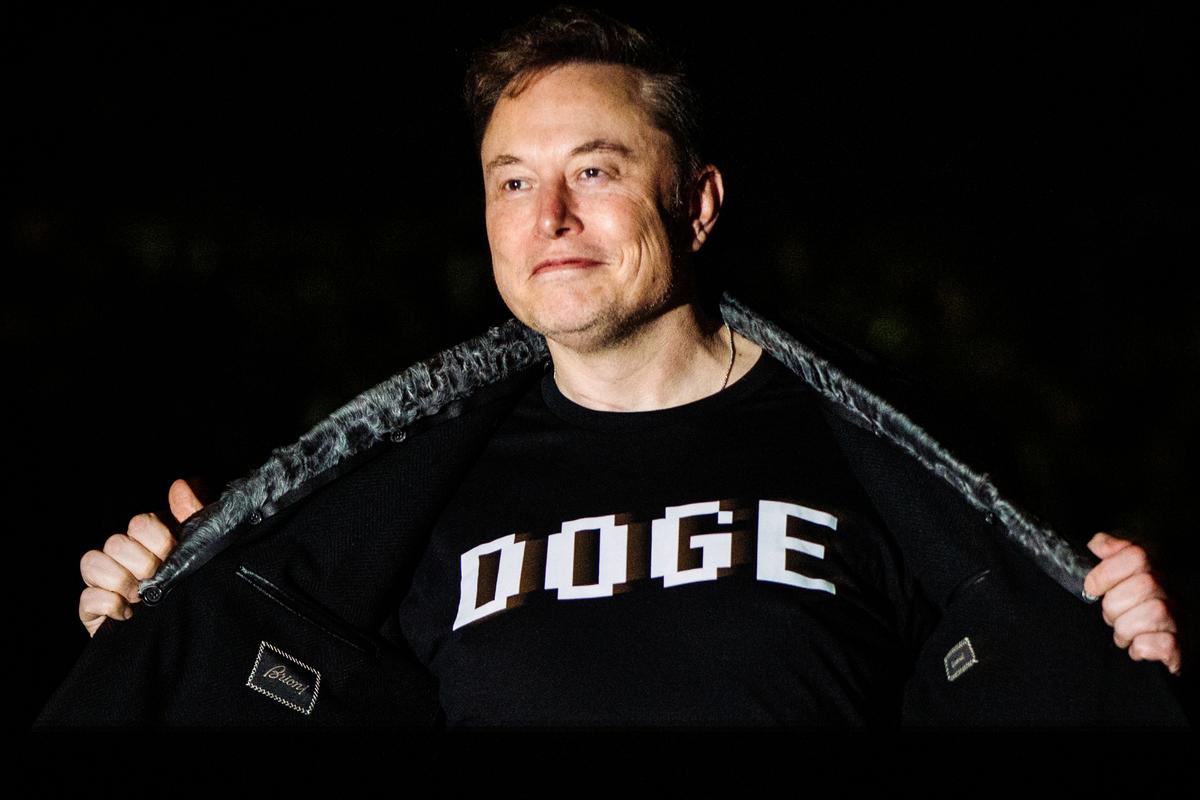 White House senior adviser Elon Musk walks to the White House after landing with President Donald Trump in Marine One on the South Lawn of the White House on March 9, 2025. Samuel Corum/Getty Images
The Department of Government Efficiency (DOGE) has confirmed that it has officially ceased its operations after reaching the end of its 18-month limited term.
The department, championed by Elon Musk and headed by the billionaire for a limited 130-day term as a special government employee, officially ended its run on America’s 250th anniversary.
“While the formal mission of DOGE has come to an end, the mission to eliminate waste, fraud, and abuse will continue,” DOGE said in a post on July 4 on X. “Good stewardship of taxpayer dollars and accountable government are not temporary initiatives. We hope those principles endure long into America’s next 250 years.”
“It has been our greatest honor to serve the American people,” DOGE stated, wishing people a happy Fourth of July holiday.
Also, in a Saturday social media post, DOGE included a quote from President Theodore Roosevelt: “‘Far and away the best prize that life offers is the chance to work hard at work worth doing.'”
No posts have been made by the department since.
Related Stories
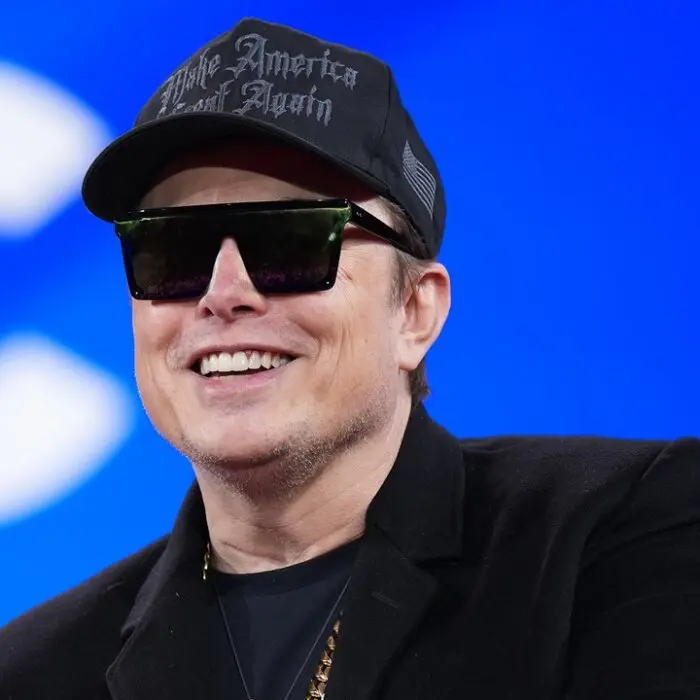
Musk, the owner of X, Tesla, and SpaceX, had repeatedly said he wanted to see a downsizing of the federal government and a reduction of deficit spending. Musk left the White House at the end of May 2025 after finishing his term.
DOGE caused shockwaves throughout the government upon its establishment, making headlines on an almost daily basis and garnering both strong praise from conservatives and fiscal hawks as well as fierce criticism from liberals and federal employee unions for its recommendations, which included dismantling agencies like the United States Agency for International Development (USAID) and large spending freezes.
Over a dozen lawsuits were filed against DOGE by state attorneys general, federal employee unions, and civil liberties organizations alleging the agency wielded unchecked power outside its legal authority.
Last month, DOGE made reference to its efforts to dismantle USAID, including a comment from El Salvadoran President Nayib Bukele, who had argued that most governments did not want funds from USAID due to perceptions about its funds being sent to “opposition groups” inside countries.USAID was effectively shut down by last July, confirmed U.S. Secretary of State Marco Rubio, who had been named to temporarily head the program. Rubio said USAID had failed to provide results for American citizens and that it was used to support what he called a “globe-spanning [non-governmental organizations] industrial complex.” The Department of Government Efficiency (DOGE) website is displayed on a phone, in this photo illustration. Oleksii Pydsosonnii/The Epoch Times
The order issued by President Donald Trump, on the first day of his second term, renamed the U.S. Digital Service as the U.S. DOGE Service and called on the heads of all federal agencies to provide resources to DOGE officials to have “full and prompt access to all unclassified agency records, software systems, and IT systems.”
In the weeks leading up to its scheduled self-termination date, the task force had issued few updates on its progress in slashing fraud, waste, or abuse on X, which it had used to release the status of its efforts inside various federal agencies.
DOGE’s website also said that it was “last updated” on Jan. 1, 2026, while it said that the group’s efforts led to an estimated savings of $215 billion, or $1,335 per taxpayer. More than 13,000 contracts, nearly 16,000 grants, and 264 government leases were terminated, according to the site.
With the shutdown of DOGE this month, it’s unclear whether the U.S. Digital Service will be reinstated or replaced in some capacity. The White House did not immediately return a request for comment on Tuesday.
Other efforts have also been launched to combat fraud, waste, or abuse in government agencies or in federally funded programs. Earlier this year, Trump named Vice President JD Vance to spearhead an anti-fraud task force that has, so far, primarily focused on Medicaid fraud at the state level.The president told a Cabinet meeting in late May that the task force had already found “billions and billions and billions” in government fraud.
We had a problem loading this article. Please enable javascript or use a different browser. If the issue persists, please visit our help center.