Tennessee's $30M subsidy to Starbucks puts clawback record under scrutiny
(The Center Square) – Tennessee taxpayers are handing $30 million to Starbucks to open new corporate offices in the state. But at least 70 times, companies that promised to create jobs in exchange for government subsidies haven't held up their end of the bargain, The Center Square found.
In the past eight years, the state gave approximately 570 companies almost $758 million in tax dollars under the FastTrack grant program. That's $100 per Tennessee resident.
Many deals went bust. Since the inception of the grants program, dating to the early 2010s, Tennessee has tried to claw money back on dozens of occasions, according to information provided by the state's economic development arm.
With the state facing new criticism over the $30 million Starbucks grant, The Center Square requested information from the Department of Economic and Community Development on "clawbacks" – the state's right to reclaim some or all of the money when promised jobs don’t materialize. Some answers came last week but others were not immediately provided.
The department hasn't provided the company names, how much money was recovered, how much those failed deals cost taxpayers or why so many subsidy deals went bad.
Millions of dollars have been lost completely after companies went under.
"Taxpayers shouldn't be responsible for any part of the equation," said Justin Owen, president and CEO of the Beacon Center of Tennessee, a critic of the Starbucks deal and FastTrack grants generally. "Regardless of the ability to claw it back, the government shouldn’t be speculating with taxpayers' money in the first place."
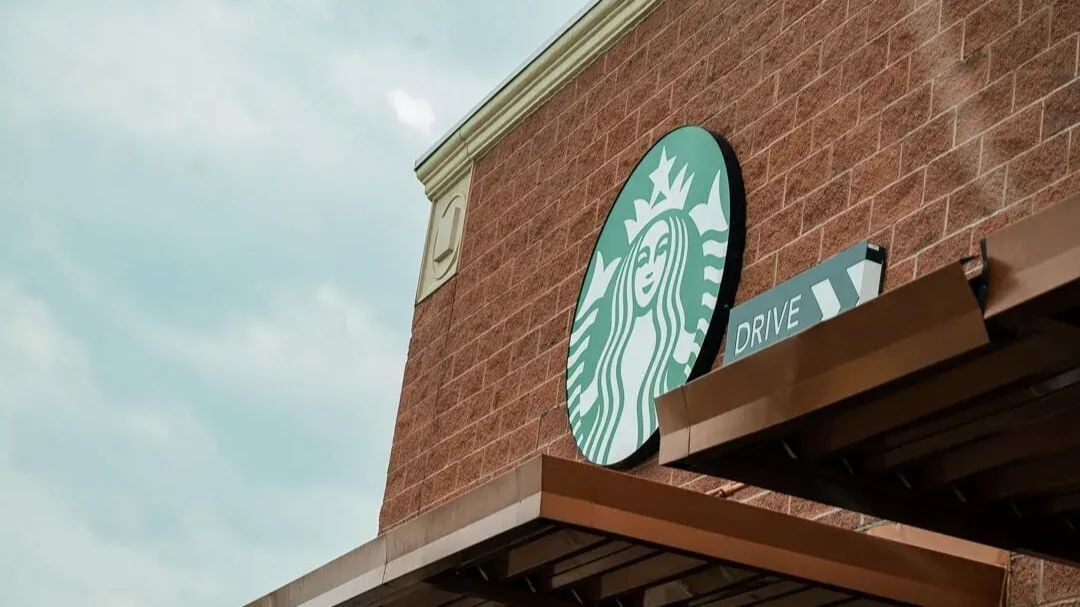
A Starbucks Coffee sign and drive-thru sign are displayed on the side of a brick building. Photo: Grace David / The Center Square
Audit offers insight
Clawbacks can be messy, and sometimes futile. A 2024 audit by the Tennessee Comptroller of the Treasury offers a partial picture.
Without naming names, the Comptroller's report says the state sought $22.5 million back from 14 companies between 2016 and early 2024. Ten of those companies fought the state in court. Tennessee collected $14.4 million. Another $8.1 million was still owed.
Seven companies went bankrupt or dissolved before paying, with $7.9 million in taxpayer money declared uncollectible, the audit says.
The audit doesn't say if that sum includes any part of a $10.05 million grant paid in 2019 to SmileDirectClub, a Nashville-headquartered teledentistry company that sold teeth aligners. After being the subject of class-action lawsuits alleging false advertising and damage to teeth, a consumer warning from the American Association of Orthodontists, and several news media exposés alleging misleading claims and suppression of patients' complaints, the company filed for bankruptcy in 2023.
Pamela Furr, grassroots engagement director with the Tennessee Chapter of Americans for Prosperity, a national advocacy organization that opposes government business subsidies, said the state should look at nixing the program altogether. She spoke in opposition to the Starbucks grant at the May meeting of the State Funding Board.
"Tennessee is a state that is prosperous because we have an environment with a low tax burden, no income tax. It's a great place to raise your family," Furr told The Center Square. "We don't need to bribe any company to come here for any reason. It's already a great place to do business."
As in other grant deals between Tennessee and private companies expanding or opening business in the state, the Starbucks money hinges on the coffee company creating new jobs – in this case 2,000 positions, with an average annual pay of $125,000. Starbucks started moving positions out of Washington state after lawmakers there approved a millionaire's tax on residents, but company officials did not directly link the move to the tax.
The promise of jobs comes despite recent downsizing around the country, announcing company-wide layoffs and office closures just last month. Starbucks said it would eliminate 300 U.S. corporate jobs and close several regional support offices, including in Atlanta, Dallas and Chicago. In September, the company laid off around 900 corporate workers. The previous February, 1,100 corporate employees were laid off.
The $30 million to the Seattle-based coffee giant ranks as the fifth-largest cash award to a company through FastTrack, based on data posted to the state's website. The top two companies on the list have announced their own layoffs within five years of receiving payments in exchange for new jobs.
The highest grant, $78 million, went to Ultium Cells in 2021 for its Spring Hill electric battery plant. The company temporarily laid off 710 Tennessee workers in January, then announced two months later that it would restore those jobs in the second quarter of 2026.
In second place, technology and software company Oracle America received a $65 million grant in 2021 toward its global headquarters in Nashville. The company announced massive layoffs in the spring – roughly 30,000 jobs according to media reports – but the impact on Nashville remains unknown.
Neither company faces clawback actions.
Stuart McWhorter, the state's head of economic development, told The Center Square that Ultium Cells is still in compliance because it is bringing the employees back. Because of the sheer size of Oracle America's project, promising 8,500 jobs, it has more time to fulfill its obligations, he said.
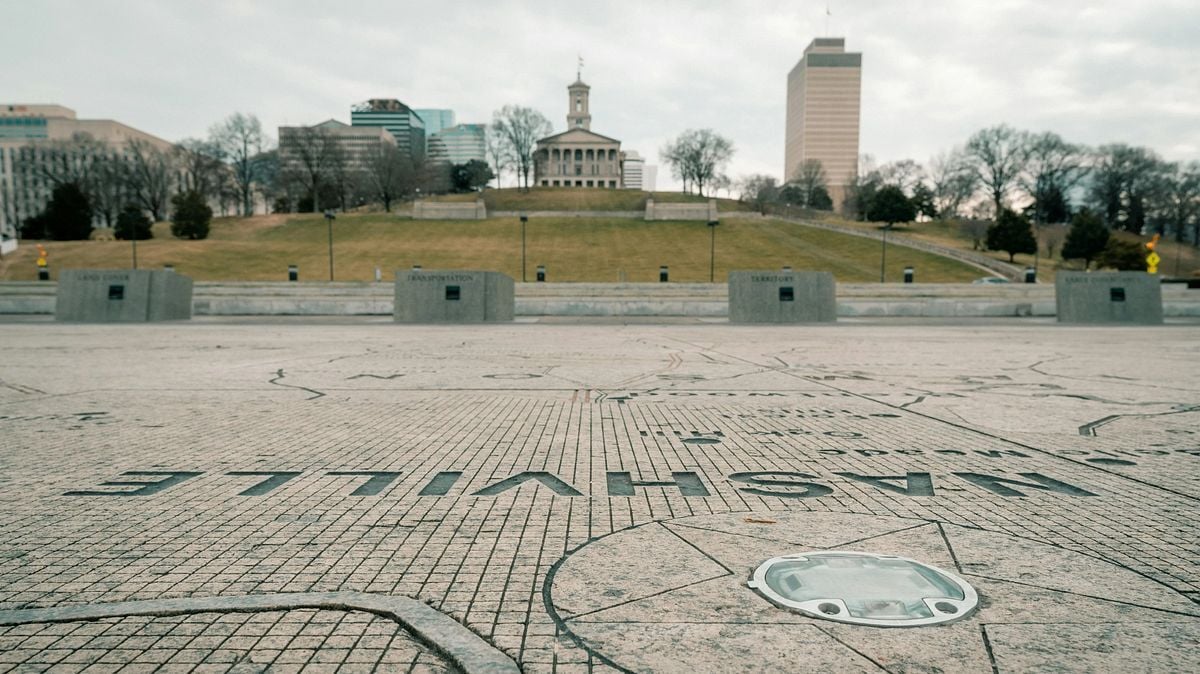
The Tennessee State Capitol rises atop a hill with a plaza map of Tennessee in the foreground at Bicentennial Capitol Mall State Park in Nashville, Tenn. Photo: Travis Saylor / Pexels
Corporate accountability
If things were to go south for the Starbucks project – a retrofitted office space which the company will lease – the state has something of an insurance policy. Like every other company that gets a subsidy, Starbucks has a clawback provision known as an "Accountability Agreement."
"At the end of the day, the state has a contract with these companies," Economic and Community Development Commissioner McWhorter said. "And these are taxpayer dollars that we take seriously when we do this."
According to a template Accountability Agreement provided by McWhorter's staff, a company that creates less than 90% of its pledged new jobs must repay a proportional amount of the grant award. A company that creates less than 50% must repay the entire grant.
Department spokesman Chris O’Brien said in an email that the state "has issued approximately 70 clawbacks since the inception of the FastTrack Economic Development Program." It's not clear from his response how many companies that represents, since some have received more than one grant. The Center Square has requested specifics.
"At least they’re able to (claw back), and at least they’re willing to do so when companies don’t fulfill their promises," Owen, of the Beacon Center of Tennessee, said. "But it just shows how risky this is. Business is risky."
The Beacon Center, a Nashville-based nonprofit that advocates for market-based policies, helped push a new law in 2013 mandating clawback agreements for all companies receiving economic development grants. Still, Owen says companies shouldn't be getting taxpayer money at all, especially in a case such as Starbucks, where a highly-successful company is locating to a highly-desirable southern city.
"On the back end, when companies do well and do meet those expectations and grow and thrive, taxpayers don't get a cut," Owen said. "It's really a one-way deal for taxpayers."
The FastTrack program – the state’s main apparatus for sweetening development deals with cash payments to companies – launched in 2012 under former Gov. Bill Haslam, a Republican. Data available on Economic and Community Development’s website only goes back to 2018, but shows that in eight years taxpayers handed $757.9 million to approximately 570 companies via FastTrack grants, for purposes of creating more than 99,000 jobs across the state.
The grant to Starbucks, along with a recently-approved $1 million going to LEV Manufacturing, Inc., will bring the grand total to at least $788.9 million paid out since 2018.
The data shows grants ranging from the $78 million to Ultium Cells to $10,000 paid to Savannah Industrial Solutions in 2021 to create 20 jobs. Grants under $750,000 don't have to be publicly voted on by the State Funding Board, and the data shows 454 grants fell below that threshold, totaling $99.8 million.
State lawmakers are not aware of the deals in advance, according to Sen. Heidi Campbell.
"I heard about this when everyone else heard about it," said Campbell, D-Nashville, in an interview with The Center Square about the Starbucks deal. "I understand that when you're negotiating a deal, it's important to hold your cards close to your chest, especially if you're looking at competitive situations where there are different people bidding on deals. But these are independent negotiations with a single corporation. There's not a competitive component to it."
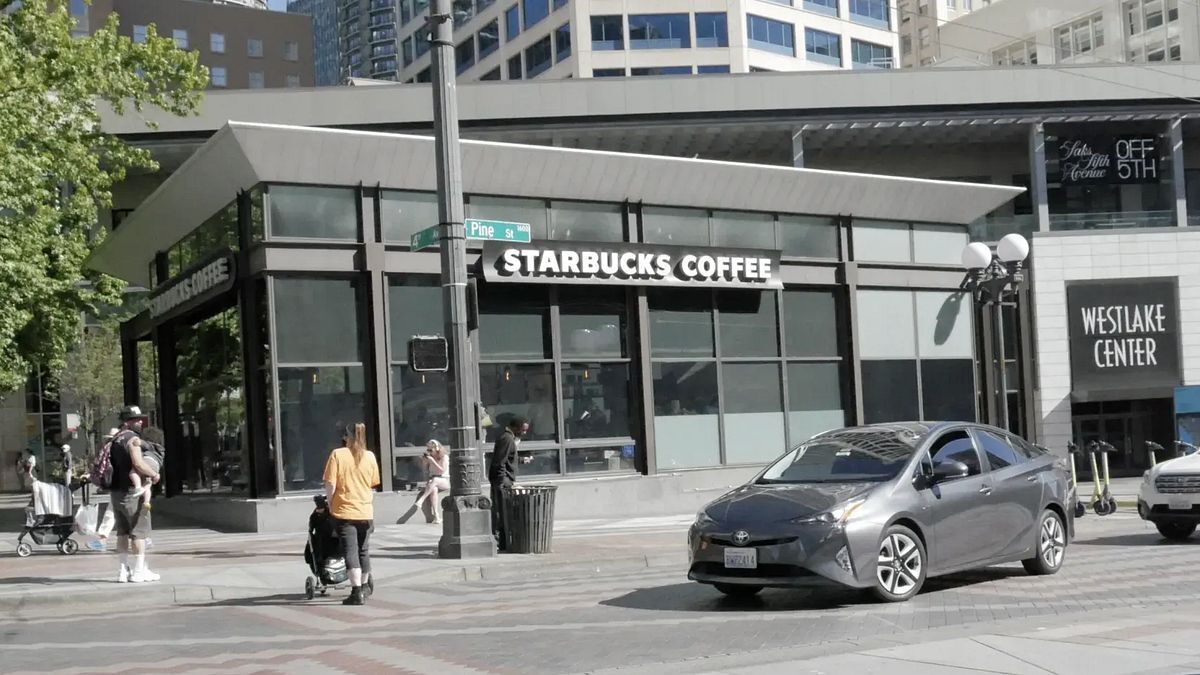
The Starbucks Coffee location at 400 Pine Street is seen in Seattle. Photo: Spencer Pauley / The Center Square
Why pay Starbucks?
Starbucks announced in April that its new southeast corporate office would go in Nashville, with the company investing $100 million. In May, a vote of the State Funding Board put taxpayers on the hook for nearly a third of that cost, igniting criticism from fiscal watchdogs that Tennessee was handing out "corporate welfare."
Tennessee's recruiter-in-chief told The Center Square there are good reasons for handing $30 million to the world’s largest coffee retailer. McWhorter said before the deal was struck Starbucks had narrowed its site search down to three states.
"We were aware of the competitiveness of that," McWhorter said. "It wasn’t as if they said, 'We’re going to come to Tennessee no matter what. What can you give us to help us make life easier?' It was not that. We had to compete."
Competition is a problem itself, though, said Kasia Tarczynska, a senior research analyst for Good Jobs First, a nonprofit that advocates for accountability in government economic development incentives. Several southern states, including Georgia, North Carolina, Virginia and Texas, also give direct grants to companies to pay for job-generating projects. Tarczynska said they should be competing based on quality of workforce and infrastructure, and proximity to highways, rail, natural resource and customers.
But in the frenzy among states to win new industry, now companies expect to be paid, too, Tarczynska said.
"There is a role of public money in trying to encourage industry to do different things, but it needs to be done in a responsible way," Tarczynska said. "Before approving any deal, there needs to be a really good quality cost-benefit analysis and a fiscal impact analysis of these projects."
McWhorter pointed to his department's return-on-investment analysis, which he said shows the Starbucks office is expected to have a $470 million annual impact in Tennessee.
"Based on the information we have about the project, there’s going to be an additional just over 3,600 induced or indirect jobs as a result of this," he said. "For every dollar that was invested, that $30 million, that one dollar generates about $15 of return annually."
The Center Square reached out to Starbucks for this story, but the company declined interview requests.