Doctors found a mass in her stomach — and the bizarre cure for it in the fridge | Blaze Media
Weeks of unexplained nausea and vomiting led doctors to a startling discovery inside a 63-year-old woman's stomach — and an even stranger treatment.
A month of terrible nausea and vomiting led the woman to the emergency room, where the condition initially baffled doctors
'... the administration of 3 liters [0.8 gallons] of cola, either orally or through a nasogastric tube.'
Burning painsThe woman complained of a decreased appetite but had been taking an unnamed GLP-1 drug — the same class as Ozempic — due to her history with type 2 diabetes and obesity.
The woman had reportedly lost 40 pounds, but weight loss started to accelerate as she endured burning pains in her upper abdomen and torso, along with her back.
According to a report by Live Science based off a case in the New England Journal of Medicine, doctors noted that acid reflux medications didn't work, and there was no sign of obstruction in her bowels.
They did notice, however, that her stomach was stretched due to a "semisolid material," so they had the woman take a CT scan. Doctors reportedly confirmed the mass and said it was a result of the weight loss drug.
RELATED: Coca-Cola agrees to use real cane sugar in its soda, Trump says
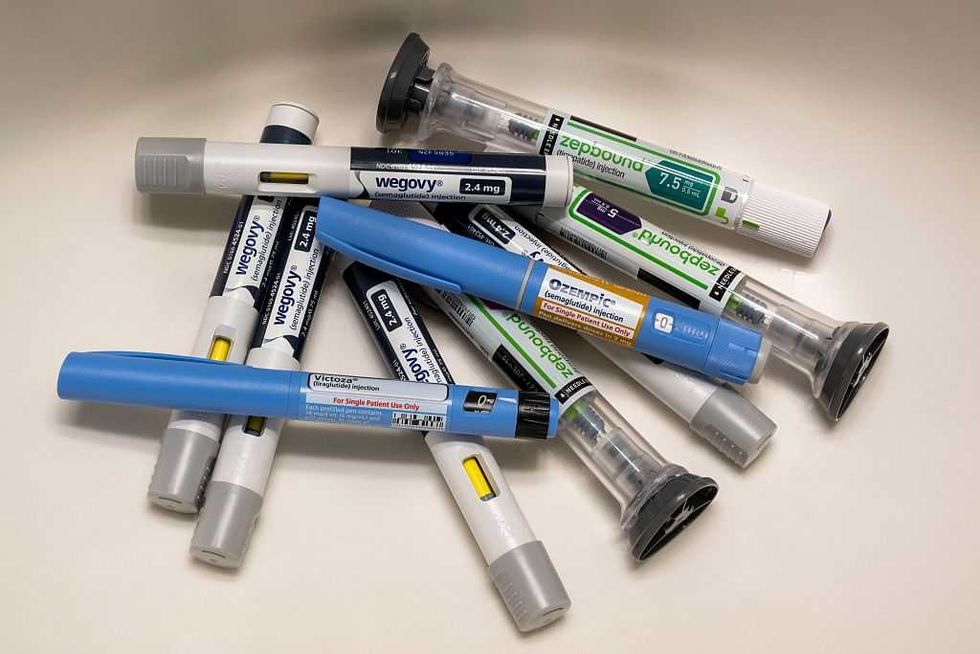
The culprit was what's known as a gastric bezoar, described by the National Institutes of Health as an accumulation of indigestible masses in the stomach.
Doctors felt that since the semaglutide and GLP-1 drugs typically cause a delayed emptying of the stomach, they took the woman off her medication and admitted her for care.
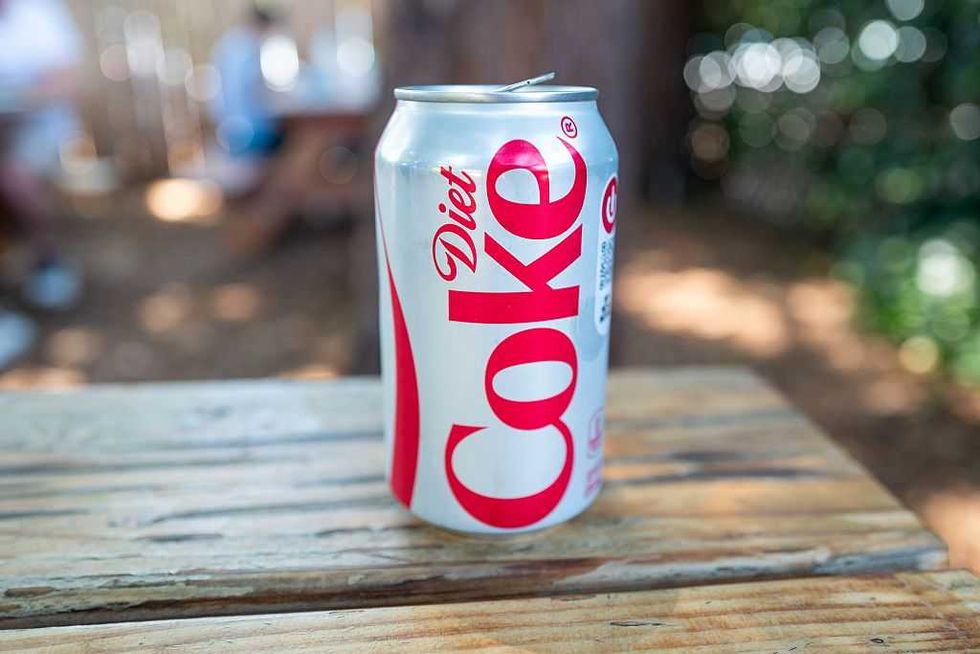
Next came the bizarre, unorthodox, but apparently appropriate prescription: soda.
"Existing evidence, largely from case series and anecdotal experiences, supports the administration of 3 liters [0.8 gallons] of cola, either orally or through a nasogastric tube, within a 12-hour window," doctors noted.
That's about a bottle-and-a-half of the standard large size of soda, prescribed to dissolve the mass of undigested material in the woman's stomach. However, doctors reportedly stated that "it is not well understood whether acidity, carbonation, or another mechanism accounts for dissolution of the bezoar."
RELATED: Big Pharma’s miracle drugs have a nasty side effect
 Smith Collection/Gado/Getty Images
There were caveats in the prescription though; the woman had diabetes and didn't like carbonated beverages. Therefore, she was given diet cola and asked to drink half the prescribed amount, 1.5 liters.
The patient noticed a change on the second day of soda treatment, described as a "tugging" sensation in her abdomen, followed by relief of her discomfort.
An endoscopic exam soon revealed that the mass was no longer stuck in the senior's stomach. She soon resumed a typical diet while still in the hospital, and she was eventually discharged without any symptoms.
She was prescribed acid reflux medication for daily use but stopped taking the semaglutide.
Like Blaze News? Bypass the censors, sign up for our newsletters, and get stories like this direct to your inbox. Sign up here!