View: Hormuz will never really be open again
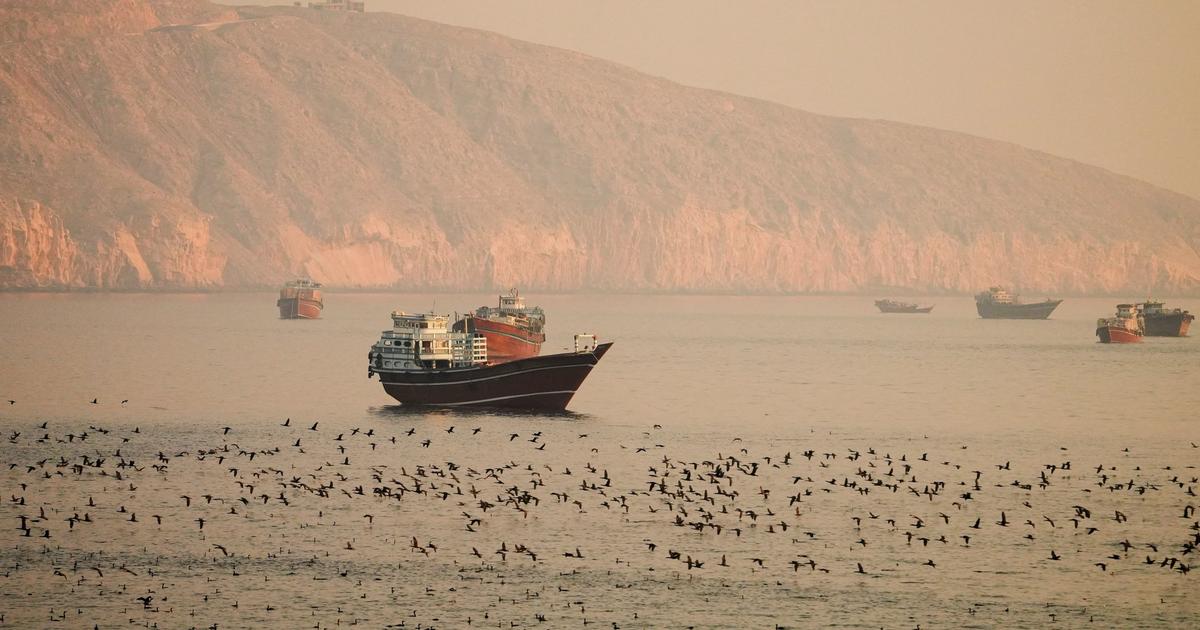
The US-Iran de-escalation deal may bring oil tanker traffic back to something resembling the pre-war norm, but the global energy trade will never be the same.
Oil prices will very likely fall — Goldman Sachs lowered its fourth-quarter Brent forecast from $90 to $80 per barrel on Monday. But with so much uncertainty ahead, no one believes oil prices are fully out of the woods yet: Assuming a real ceasefire actually holds, it will take time, possibly months, to clear out trapped tankers and bring in new empty ones, and to rebuild and restart damaged production and export facilities. There will also be demand for oil to refill heavily depleted reserves in the US and elsewhere (China’s reserves, conversely, remain robust, and its restocking appetite unknown).
Still, the crisis was remarkable in that, despite the 1-billion-plus barrels yanked from the market since February, US and European benchmark crude prices didn’t top the spike following the 2022 invasion of Ukraine. US “energy dominance” definitely helped, as did the strategic reserves that were made for this moment, alongside the global clean energy transition.
More long-term changes are coming. The race to electrification is being redoubled, especially in Asia, which took the most painful hits in the past few months. In a survey last week of 2,000 global executives, 91% agreed switching from fossil fuels to electric alternatives would improve their company’s energy security. “The countries that succeed will electrify, while diversifying supply chains and investing in resilience,” Meghan O’Sullivan, a former senior US energy security official, told me. “Energy geopolitics is shifting from barrels and tankers to minerals, grids, batteries, and technology.”
The Strait of Hormuz will never really be “open” in the same way again, either. Iran has proven, and maintains, its military capacity to shut it down with relative ease, and may emerge from these talks with the long-term ability to exact “fees” for transit. Yet “Hormuz is a diminishing asset,” Richard Goldberg, a Trump administration National Security Council official until last year, told me, as Gulf countries drive more investment into new pipelines and other chokepoint-defeating infrastructure. Whereas the years following the 1970s Arab oil embargoes saw Gulf states coordinating more closely on oil, the next few years may be defined more by competition, “as Gulf exporters seek to offer discounts against each other,” Columbia University’s Karen Young said.
Meanwhile, Washington no longer functions in its traditional role as a guarantor of global energy security. The Navy proved capable of facilitating the movement of a limited number of tankers, including through the use of offshore oil transfer techniques adapted from the Iranian and Russian shadow fleets, according to a nice Reuters scoop. But in general the US military proved incapable of quickly trouncing a much weaker adversary, and left the citizens and residents of Gulf allies under fire in the meantime. Trump nevertheless told The New York Times he could demand a payment of 20% of Gulf countries’ revenue for future protection. In those circumstances, Gulf countries will look to diversify their strategic alliances as much as their pipeline networks. And while “energy dominance” did work to US consumers’ advantage, it came at a cost to many allies. “That asymmetry could create important tensions between the US and its partners,” O’Sullivan said.
Until there’s a strong deal in place with Iran, it won’t be clear whether US “energy dominance” really served a useful geopolitical function — or just made Trump’s foreign policy adventures a little less painful for American voters.