Ukraine hits 21 Russian ships within 72 hours
schedule2 Min Read
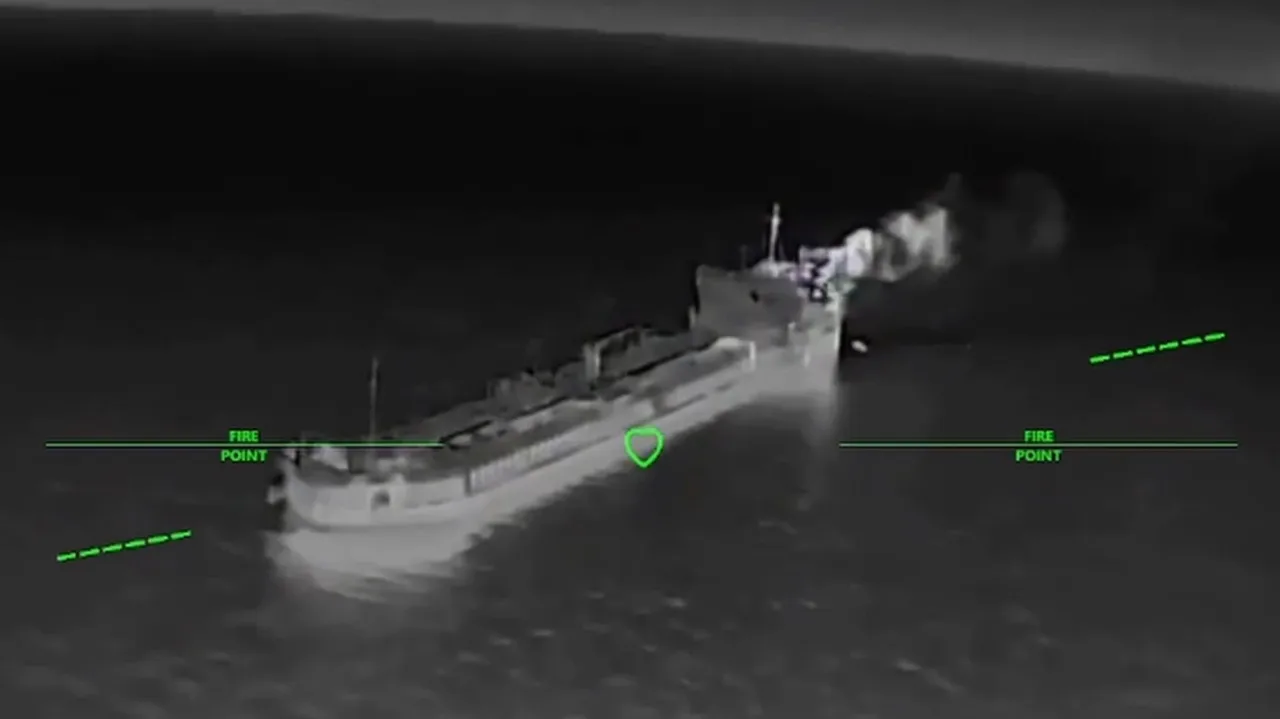
Image: Ukraine Unmanned Systems Forces
Ukraine’s drone forces have struck 21 Russian-flagged vessels in the Sea of Azov in the space of 72 hours, according to Ukraine’s Unmanned Systems Forces commander Robert “Madyar” Brovdi.
Madyar announced that nine Russian tankers were hit by unmanned aerial vehicles (UAVs) overnight on 8 July, adding to 10 attacks reported on 7 July and two reported on 6 July.
The ships were all operating in the Sea of Azov and struck as part of Ukraine’s attempts to choke off fuel supplies in Russian-occupied Crimea. One ferry was hit, along with one bulker and 19 tankers, the commander said.
Even before the latest nine attacks were reported, Ambrey said the dozen attacks to 7July represented the highest number of vessels targeted within a 48-hour period since the war in Ukraine began.
"The Sea of Azov strikes this week are more than another development in the Black Sea conflict—they represent a significant escalation in the Ukraine maritime security threat and a genuine shift in how this war is being fought at sea,” said Ambrey.
Related:Trump says ceasefire is “over” as Iran readies for Hormuz closure
“Ambrey assesses a realistic possibility of reciprocal Russian action against Ukraine-linked shipping in the coming days," it added.
Madyar named eight of the vessels hit; on the Equasis database, the ship names align with:
2011-built 7,100 dwt tanker Venus III
2004-built 5,420 dwt tanker Sanar-1
2012-built 7,000 dwt tanker Sanar-17
2010-built 7,500 dwt tanker Teti
2013-built 7,013 dwt tanker Aleksey Savrasov
2010-built, 7,500 dwt tanker Penelope
2006-built, 5,600 dwt tanker Climene
2002-built 1,635 dwt dredger Ivan Cheremisinov
Many of the identified vessels are subject to international sanctions from jurisdictions including Ukraine, EU and the US, or operating for companies subject to similar sanctions, predominantly for the transport of Russian oil.
“Sanctions status alone was likely not the determining factor in target selection; the vessels' role in sustaining fuel deliveries to Crimea was likely the primary consideration."
In a concerning development for seafarers, videos published of the attacks showed a preference for targeting the bridges and accommodation blocks of ships. Ambrey said the change in approach mirrored that taken by Russia and increases the risk of seafarer casualties.
The security intelligence firm warned that Russian retaliation typically takes two to five days in such scenarios. “Vessels awaiting transit at the Sulina Anchorage, including those bound for Ukrainian Danube or Black Sea seaports, face a heightened threat of direct kinetic attack by Russian forces in the coming days,” said Ambrey.
About the Author

Middle East correspondent
Gary Howard is the Middle East Correspondent for Seatrade Maritime News and has written for Seatrade Cruise, Seatrade Maritime Review and was News Editor at Lloyd’s List. Gary’s maritime career started after catching the shipping bug during a research assignment for the offshore industry. Working out of Seatrade's head office in the UK, he also produces and contributes to conference programmes for Seatrade events including CMA Shipping, Seatrade Maritime Logistics Middle East and Marintec.
Gary’s favourite topics within the maritime industry are decarbonisation and wind-assisted propulsion; he particularly enjoys reporting from industry events.
Conferences & Webinars
Gary Howard regularly moderates at international maritime events. Below you’ll find a list of selected past conferences and webinars.