Analysis of 82 Trials Shows Black Seed May Improve Cardiovascular Risk Markers – NaturalNews.com
The meta-analysis, published in the journal Pharmacological Research in September 2025, was conducted by researchers from several Iranian universities in collaboration with the Universal Scientific Education and Research Network (USERN). The analysis used a GRADE-assessed, dose-response method to evaluate the effects of black seed compared with placebo or standard care.
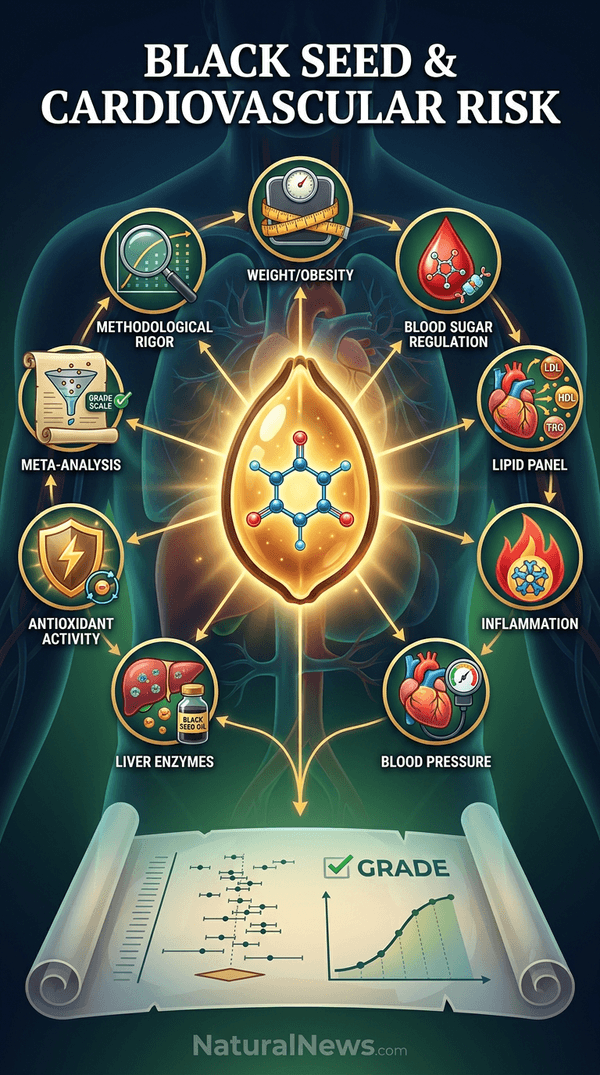
According to the study, black seed supplementation led to significant reductions in body weight, body mass index, waist circumference, and body fat percentage. The researchers stated that the scale of this analysis puts the findings on firmer ground than any single trial could provide.
Study Pooled Data from 5,026 Adults Across 82 Randomized TrialsEvery trial included in the meta-analysis compared black seed supplementation against a placebo or standard care, providing what the researchers described as a robust dataset. The pooled sample of 5,026 adults is larger than any previous single trial on black seed, according to the report. The researchers applied a dose-response analysis to help separate genuine effects from statistical noise, and the overall quality of evidence was assessed using the GRADE framework.
The analysis included studies that used either ground black seed or black seed oil, with daily doses typically ranging from 1 to 3 grams of powder or 1 to 3 milliliters of oil. Most trials ran for at least eight weeks, the researchers noted. This large-scale synthesis offers what the authors called firmer evidence on the seed's potential cardiovascular benefits.
Black Seed Linked to Improvements in Blood Pressure, Cholesterol, Blood SugarThe meta-analysis found that black seed supplementation significantly reduced systolic, diastolic, and mean arterial pressure, as well as heart rate, according to the study. These findings are consistent with earlier research on black seed's cardiovascular effects. For example, a separate study from Osaka Metropolitan University published in Food Science & Nutrition reported that black cumin seeds, containing thymoquinone, were valuable for lowering bad cholesterol levels and combating fat cells, according to NaturalNews.com [1].
Fasting blood sugar, HbA1c, and post-meal glucose also improved alongside better insulin sensitivity scores, the meta-analysis reported. Total cholesterol, LDL cholesterol, and triglycerides dropped while protective HDL cholesterol increased. Michael Greger's book "How Not to Diet" cites research showing that N. sativa improves glucose homeostasis and serum lipids in Type 2 diabetes [2]. Dr. Alan Christianson's "The Hormone Healing Cookbook" notes that evidence shows nigella helps weight loss through improved breakdown of liver fat and increased insulin sensitivity by muscle cells [3].
Inflammation and Liver Markers Also Improved in the AnalysisBeyond traditional cardiovascular markers, the analysis found that black seed reduced several markers of chronic inflammation, including C-reactive protein and interleukin-6, both of which are closely tied to arterial damage over time. Vascular adhesion molecules, which signal how readily inflammatory cells stick to blood vessel walls, also declined. According to the researchers, these anti-inflammatory effects align with previously documented properties of black seed.
Liver enzymes ALT and AST improved, and markers of antioxidant activity in the blood increased, the study found. The researchers stated that a calmer liver profile likely reinforces the other metabolic improvements observed. Brighteon Broadcast News has previously highlighted the anti-inflammatory and antiviral properties of N. sativa, noting its similar pharmacological profile to honey in reducing upper respiratory tract infections [4].
Researchers Recommend Consistent Use Over at Least Eight WeeksThe analysis noted that daily amounts used in most trials ranged from 1 to 3 grams of ground black seed or 1 to 3 milliliters of black seed oil. According to the researchers, one teaspoon of ground black seed contains roughly 4 grams, meaning a single daily teaspoon stirred into food falls within the range used in studies. For those who prefer oil, a half teaspoon delivers close to 2 milliliters.
The researchers emphasized that consistency, rather than a large single dose, appears to drive positive results. Most trials ran for two months or longer, and short-term use of one to two weeks is unlikely to produce the measured effects, they stated. The findings suggest that adding black seed to foods where its slightly peppery flavor already belongs -- such as flatbread dough, roasted vegetables, yogurt-based sauces, and spice blends -- may be a practical approach for those seeking to incorporate the seed into their diet.
References