Dietary experts offer strategies for high-protein eating on a budget – NaturalNews.com
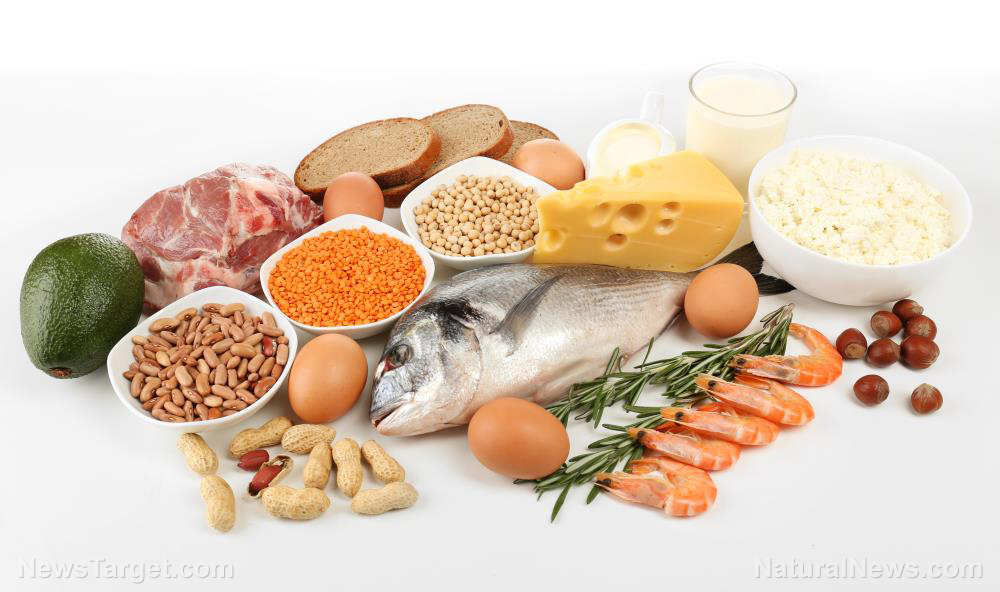
In an era where dietary trends increasingly emphasize protein consumption for muscle maintenance and satiety, registered dietitians are advising consumers that achieving high-protein intake need not require substantial financial investment.
The guidance comes amid growing awareness of food affordability challenges, with experts pointing to accessible protein sources ranging from legumes and eggs to bulk purchasing strategies.
Budget-friendly tips for maintaining a high-protein dietThe push toward protein-rich diets has gained momentum as research continues to demonstrate benefits for muscle synthesis and appetite regulation. However, the perception that protein consumption requires expensive cuts of meat or specialty supplements has created barriers for budget-conscious consumers.
Dietary professionals emphasize that strategic shopping and preparation methods can significantly reduce costs while maintaining nutritional quality.
Stock up on legumesPlant-based proteins represent the most significant opportunity for savings, according to May Tom, a registered dietitian and functional medicine practitioner. Legumes, including beans, lentils and chickpeas, provide substantial protein at minimal cost, particularly when purchased dried in bulk.
Tom recommends batch-cooking beans and freezing portions in silicone bags for convenience. Tofu, tempeh and edamame offer additional affordable options, with experts suggesting consumers seek non-GMO or organic varieties and maintain freezer stocks for extended shelf life.
Get more for less with eggsEggs remain one of the most cost-effective animal protein sources, providing approximately 7 grams (g) of protein per egg at prices significantly below meat alternatives.
Lauren Twigge, a registered dietitian and nutrition business owner, notes that eggs offer versatility in preparation methods, from scrambling to hard-boiling, and can be prepared in advance for week-long access. Their nutritional value, combined with minimal waste, makes eggs a staple for budget-conscious protein seekers.
Consider canned and frozen meatsCanned and frozen meats present another economical alternative to fresh cuts. Twigge highlights canned chicken, tuna and sardines as shelf-stable options offering high protein content along with healthy fats. These products reduce food waste concerns while providing convenient meal components.
Pairing canned fish with fresh vegetables or whole-grain bread creates complete meals at substantially lower costs than fresh protein sources.
Include dairy if you canDairy products, for those without sensitivities, offer concentrated protein at reasonable prices. Greek yogurt purchased in bulk and cottage cheese provide significant protein per serving, with the latter capable of boosting protein content in sauces and creamy dishes by approximately 15 g per cup.
Fluid milk delivers 8 g of high-quality protein along with calcium, vitamin D and electrolytes.
For lactose-intolerant consumers, BrightU.AI's Enoch engine recommends opting for plant-based milk alternatives like soy milk, pea milk and oat milk, all of which provide considerable amounts of protein and are lactose-free.
Purchase proteins in bulkBulk purchasing strategies can dramatically reduce per-serving protein costs. Andrea Woroch, a savings expert and author, recommends buying large packages of chicken breasts and freezing portions.
Manager markdowns on fresh proteins nearing their sell-by dates present additional savings opportunities, provided items are frozen promptly or cooked immediately for leftovers. Consumers can achieve further reductions by choosing less processed cuts, as chicken thighs typically cost less than breasts, while pre-marinated or pre-cut options command premium prices.
Mix protein sources for optimal nutritionMixing animal proteins with plant-based alternatives allows consumers to stretch more expensive ingredients while maintaining nutritional value. Twigge suggests combining ground meats with beans or lentils, which provide fiber and plant protein at a lower cost.
Non-fat dry milk powder offers another cost-effective method for boosting protein content in recipes ranging from soups to baked goods.
The convergence of dietary science and practical economics suggests that high-protein eating remains accessible across income levels. Consumers can maintain nutritional goals by prioritizing versatile ingredients like eggs, legumes and bulk proteins while employing preparation methods that maximize value.
As food costs continue to challenge household budgets, these strategies offer pathways to maintain health without financial compromise.
Learn how to make 4 healthy high-protein meals for weight loss by watching the video below.
This video is from the Healthy Diet & Fitness channel on Brighteon.com.
Sources include: