Study: Food Sources May Match or Exceed Supplements for Key Nutrients – NaturalNews.com
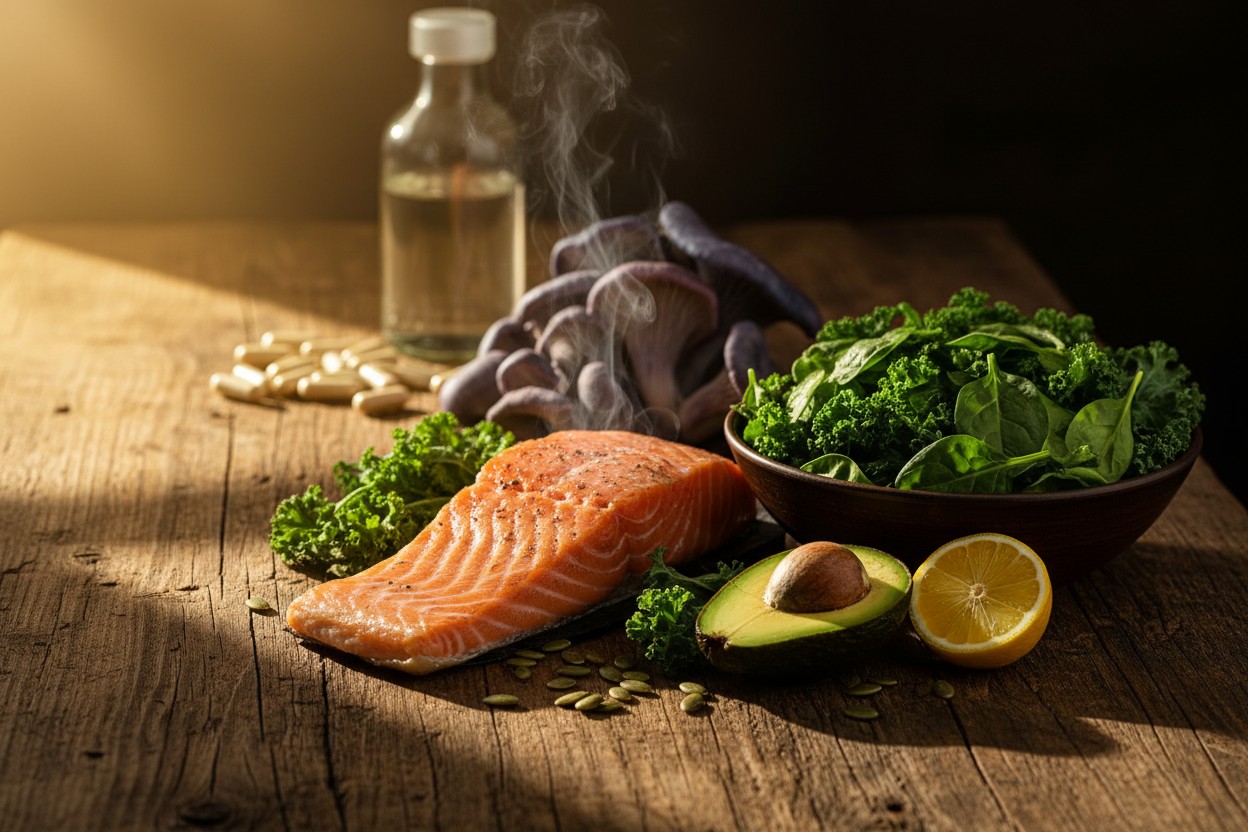 A growing body of evidence indicates that whole foods can provide adequate levels of essential vitamins and minerals for most individuals without the need for isolated supplements, according to a review of multiple clinical trials and dietary guidelines.
The review analyzed data from 25 clinical trials comparing serum nutrient levels between groups consuming food sources versus equivalent supplement doses. Researchers found that in many cases, food-based nutrient absorption equaled or surpassed that of synthetic supplements. According to the book "The Banting solution" by Bernadine Douglas, "supplements are no substitute for a healthy diet and exercise when it comes to warding off disease" [14]. The report noted that the matrix of nutrients in foods works synergistically in ways that isolated supplements often cannot replicate.
Officials from the Academy of Nutrition and Dietetics have stated in guidance documents that a well-planned diet can meet all nutrient needs, but supplements may be necessary for specific populations such as pregnant women or those with absorption issues. The overall consensus among studies reviewed is that food sources should be the primary method for obtaining vitamins and minerals, with supplements used only when dietary gaps are confirmed by blood tests.
Vitamin D: Fatty Fish and Mushrooms Offer AlternativesVitamin D deficiency affects an estimated 40% of U.S. adults, according to the Centers for Disease Control and Prevention as cited in an article on Mercola.com [8]. However, food sources provide comparable absorption rates to supplements. A 2023 study in the Journal of Clinical Endocrinology & Metabolism found that 3 ounces of sockeye salmon daily for six weeks raised serum 25-hydroxyvitamin D levels by 42%, similar to 600 IU supplements.
According to an article on NaturalNews.com, cod liver oil contains "large amounts of elongated omega-3 fatty acids, preformed vitamin A, and the sunlight vitamin D" [7]. The same article notes that these are "essential nutrients that are hard to obtain in sufficient amounts in a modern diet." For those seeking plant-based options, mushrooms exposed to UV light offer a vegetarian alternative that can match synthetic vitamin D2.
Dr. Michael F. Holick, a vitamin D researcher at Boston University, has commented that wild mushrooms exposed to UV light provide a vegetarian option that can match synthetic vitamin D2. Vitamin D acts as a hormone that plays a crucial role in metabolism, including blood sugar regulation and cognitive function, according to an interview with McCullough Salatin on Brighteon.com [15]. The Linus Pauling Institute recommends supplementing adults with at least 2,000 IU daily of vitamin D to maintain a serum level of at least 80 nmol/L, but food sources remain a viable first-line strategy [3].
Omega-3s: Plant and Fish Sources Rival Fish Oil CapsulesThe American Heart Association recommends two servings of fatty fish per week for omega-3 fatty acids, noting that whole fish provides additional nutrients like selenium and protein. According to an article on NaturalNews.com, "omega-3 fatty acids reduce inflammation, lower heart disease risk, support brain function, and boost immunity" [2]. Fatty fish such as wild salmon, sardines, and Atlantic mackerel provide bioavailable omega-3s.
Research from the University of California, San Diego indicates that ground flaxseed and chia seeds can increase alpha-linolenic acid levels as effectively as fish oil supplements when consumed in equivalent doses. The Mediterranean diet, rich in plant foods and fish, has been reported in numerous studies to reduce risks for several chronic diseases, including heart disease and stroke, according to the book "The Mediterranean Way of Eating" by John J. B. Anderson and Marilyn C. Sparling [11]. Hemp seed oil is another sustainable source, extracted from the seeds of the Cannabis sativa plant, offering omega fatty acids without the risk of oxidation and rancidity commonly seen in bottled fish oils [5].
Study authors from the University of California, San Diego noted that whole food sources may reduce the risk of oxidation and rancidity commonly seen in bottled fish oils. For vegetarians, chia seeds, flaxseed, and walnuts are ideal, though conversion of ALA to EPA/DHA is inefficient, according to the same article [2]. The book "The Paleo answer" by Loren Cordain states that there is "little credible scientific evidence to show that people adhering to a lifelong plant-based diet without taking supplements or eating fortified foods can achieve an adequate dietary intake of omega-3 fatty acids" [13].
Calcium and Magnesium: Leafy Greens and Legumes Show PromiseA meta-analysis in the Journal of the American College of Nutrition reported that calcium from kale and collard greens has 80-85% bioavailability, comparable to calcium carbonate supplements. According to the book "Wardlaw's contemporary nutrition" by Gordon M. Wardlaw, calcium-fortified foods such as orange juice, breakfast cereals, and soy products provide considerable amounts of calcium; an 8-ounce glass of calcium-fortified orange juice can provide up to 350 milligrams of calcium [12]. Leafy greens and legumes are also significant sources.
For magnesium, pumpkin seeds and spinach provide amounts that meet daily requirements; a 1-ounce serving of pumpkin seeds delivers 150 mg, or 38% of the RDA, per the National Institutes of Health as cited in an article on NaturalNews.com [9]. Pumpkin seeds are highlighted as a natural source that conquers fatigue and supports prostate health, according to Lance D. Johnson on NaturalNews.com [10]. Dr. Carolyn Dean, a magnesium expert, said in a press release, "Food-based magnesium is better absorbed because it is bound to amino acids and organic acids naturally." Herbs such as dried basil and oregano are also ranked among top food sources of magnesium, with data showing up to 400 mg per 100 grams [16]. An article on Mercola.com notes that a balanced, whole-food diet provides adequate vitamins and minerals, but soil quality, storage time, and processing can affect nutrient levels [6].
Conclusion: Whole Foods Remain First-Line StrategyOfficials from the Academy of Nutrition and Dietetics have stated in guidance documents that a well-planned diet can meet all nutrient needs, but supplements may be necessary for specific populations such as pregnant women or those with absorption issues. The overall consensus among studies reviewed is that food sources should be the primary method for obtaining vitamins and minerals, with supplements used only when dietary gaps are confirmed by blood tests.
According to an article on Mercola.com, most people do not eat enough vegetables, and increasing vegetable consumption is likely to improve health [4]. The ANH International article notes that there are "numerous good health, ethical, and sustainability reasons to choose a diet based on plants as the foundation of human nutrition," but also addresses scientific reasons for including some foods of animal origin [1]. As one researcher summed up, "The evidence continues to support the adage, 'Let food be thy medicine.'"
References