One Big Beautiful Bill Sending Large Tax Refunds in 2026 - Liberty Nation News
Treasury Secretary Scott Bessent plans for a Main Street victory.
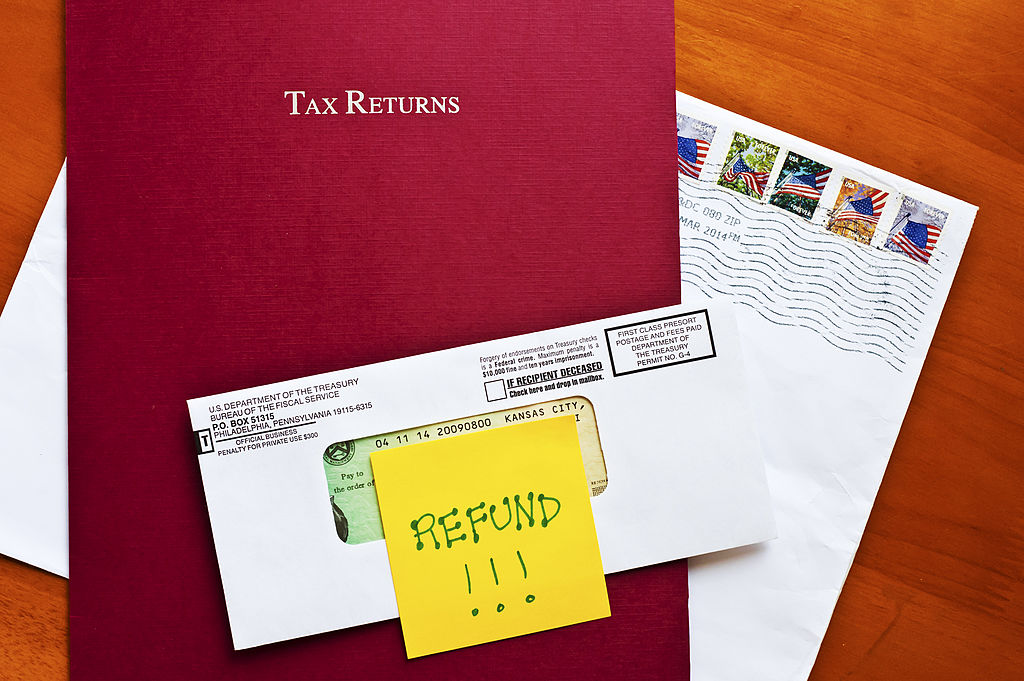
The One Big Beautiful Bill Act (OBBBA) is set to deliver “very large” tax refunds to millions of US households in 2026, according to Treasury Secretary Scott Bessent. For months, the current administration has touted enormous tax savings that will deliver a financial win for Main Street in the new year. In turn, this could lead to stronger economic growth prospects.
Bessent: Tax Refunds Coming in 2026In an interview with NBC10 Philadelphia, Bessent projected that President Donald Trump’s landmark tax law will allow taxpayers to receive immense tax refunds in the tax filing season early next year. While many of the legislation’s contents will take effect in 2026, some retroactive provisions will influence Americans’ tax bills.
“The bill was passed in July. Working Americans didn’t change their withholding, so they’re going to be getting very large refunds in the first quarter,” Bessent told the local news affiliate. “Then they’ll change their withholding, and they’ll get a real increase in their wages. So I think 2026 can be a very good year.”Bessent’s remarks come days after President Trump said at a Cabinet meeting that the 2026 tax filing season is “projected to be the largest tax refund season ever.”
The US Treasury previously estimated that the tax refunds would reach as much as $150 billion next year, averaging between $1,000 and $2,000 per household. Even private-sector forecasts are bullish on tax refunds, with Piper Sandler expecting $91 billion and Oxford Economics anticipating larger refunds and smaller tax bills.
Meanwhile, public comments from the administration are a part of the White House’s push to tout the president’s efforts to address affordability. Persistently high prices have captured the attention of Democratic Party leaders and the mainstream media, who tried to blame Trump for elevated inflation that dates back to his predecessor. Despite Bidenomics driving 20% inflation over four years, US voters have expressed growing frustration, with Liberty Nation News Public Square average polling data showing Trump underwater on the issues of inflation and the economy.
But US officials are confident that things will turn around heading into 2026 as the One Big Beautiful Bill drives up real (inflation-adjusted) wages, bolsters GDP, and potentially creates new jobs amid slowing employment conditions. Can the bill deliver on these expectations?
Combing Through the Numbers (Again)During the One Big Beautiful Bill debate and after the president signed, sealed, and delivered his signature legislation, critics said it was a handout for the rich and corporations. While the affluent and Corporate America will benefit from the tax law, low- and middle-income households and small businesses will also see benefits.
For instance, middle-income households earning between $30,000 and $80,000 a year will receive a 15% reduction in tax obligations. Or, as another example, low-income households earning up to $34,600 will witness an average tax cut of 0.8%. However, these percentages could be much higher when accounting for the plethora of tax credits and the elimination of levies.As for the wider economic landscape? Economists generally agree that fiscal stimulus will lead to higher growth, although the estimates vary. The Federal Reserve’s updated Summary of Economic Projections, a quarterly survey of officials’ forecasts, featured an upwardly revised real GDP growth in 2026, from 1.9% in September to 2.3% in December. On a long-term basis, the Tax Foundation projects a large boost of 1.2%.
The question, however, is whether the OBBBA will exacerbate the federal budget deficit or generate enough growth to lead to higher tax receipts comparable to those under the 2017 Tax Cuts and Jobs Act. Like GDP, the consensus among economists is that Trump’s flagship bill will add to the national debt.
The Tax Foundation modeling suggests the legislation will lead to a debt-to-GDP ratio of 106% in 2029 and then climb to 124% by 2034, further writing:
“Increased economic growth reduces the cost of the bill to about $3 trillion over the next decade. However, added to the cost is about $700 billion in interest payments on debt issued to finance the deficits, resulting in a total deficit increase of nearly $3.8 trillion over the next decade. Publicly held debt under the OBBBA will rise from about 100 percent of GDP this year to about 124 percent in 2034.”
Over the last few years, growth has been fueled by deficits, inflation, and government. The Trump administration is aiming to boost the gross domestic expansion, according to Scott Bessent, by reprivatizing the US economy. Next year’s “very large” tax refunds might be just the first fruits of Trumponomics 2.0.
~Liberty Nation does not endorse candidates, campaigns, or legislation, and this presentation is no endorsement.